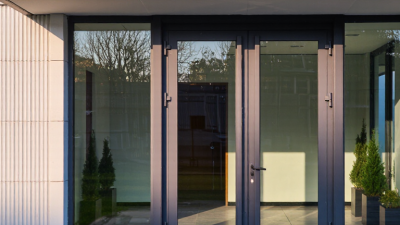
Modern homes are opening wider to daylight, gardens, and flexible living. Doors with glass make that connection immediate. A clear panel can turn a dark hallway into a bright threshold. It can also frame a patio like a moving picture.
The U.S. Department of Energy reports that windows can account for 25% to 30% of residential heating and cooling energy use. Door glass deserves similar attention. The National Fenestration Rating Council recommends checking U-factor and solar heat gain coefficient ratings. These figures reveal how much heat a glazed door loses or admits. Bigger is not always better. That assumption needs questioning.
Architect Ludwig Mies van der Rohe’s famous principle, “Less is more,” remains useful here. Minimal frames can create elegant views, but they should not sacrifice comfort. Low-emissivity coatings, insulated glass, quality seals, and correctly selected shading matter. So does the installation.
This guide explores the top 10 doors with glass for modern homes. Each option balances appearance, daylight, privacy, durability, and energy performance differently. Sliding doors save swing space. French doors add symmetry. Pivot doors create drama. Frosted and textured glass offer privacy without blocking every ray of light.
There are practical imperfections, too. Fingerprints appear. Reflections change throughout the day. Poorly positioned glass may create glare or unwanted heat. A beautiful door can still be inconvenient.
The best choice fits the room, climate, orientation, and daily habits. Examine the details closely. Then choose beauty with evidence behind it.
Top 10 Doors With Glass for Modern Homes
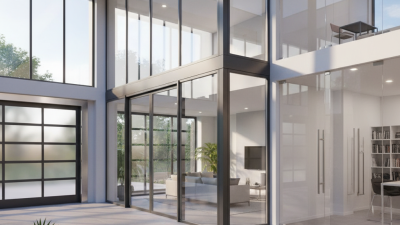
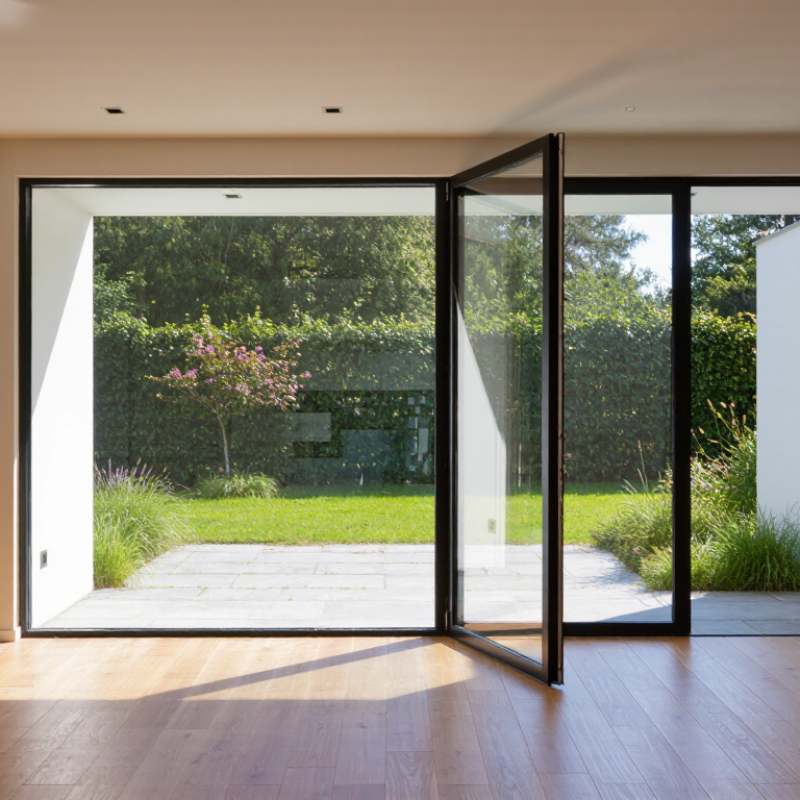
Modern glass doors shape how a home feels, not just how it looks. Clear sliding doors create wide garden views and save valuable floor space. Pivot doors make a dramatic entrance with a broad glass panel and balanced movement. French doors add symmetry, while slim steel-look frames create crisp, industrial lines.
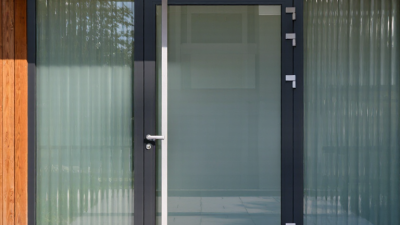
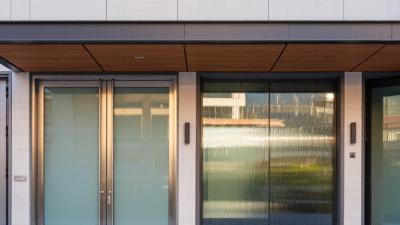
Bi-fold doors fold neatly aside and connect kitchens with patios. Pocket doors disappear into the wall, keeping small rooms visually open. Frosted glass panels offer privacy without blocking daylight. Fluted glass adds texture and softens direct views. Transom doors place glass above a solid door, bringing light into darker hallways. Arched glass doors introduce a gentler silhouette than strict rectangular designs.
Each style needs practical checking. Low-emissivity glass can reduce heat transfer, but it does not solve every comfort problem. Proper seals, drainage, and accurate installation matter just as much. I have found that door swing direction is often overlooked; furniture can quickly expose a poor layout. Security also depends on strong frames, suitable locks, and laminated or tempered safety glass. Clear glass looks impressive. It can also reveal fingerprints, glare, and clutter more than expected. Consider privacy, local weather, cleaning access, and daily traffic before choosing the most attractive design.
Modern homes need doors that manage light, privacy, security, and daily movement. The right glass door should feel practical, not merely attractive. Ten useful designs include full-height pivot doors, slim-framed sliding doors, double French doors, frosted glass doors, fluted glass doors, arched glass doors, pocket doors, steel-look doors, wooden doors with glass panels, and folding glass walls.
Full-height glass creates a bright entrance and makes narrow rooms feel larger. Sliding doors suit patios, balconies, and compact dining areas. Frosted and fluted glass soften visibility while preserving daylight. Arched designs add warmth to sharp modern interiors. Folding systems can connect a kitchen with a garden, although their tracks require regular cleaning. Wooden frames provide visual comfort, while slim metal frames create a stronger architectural edge.
Good design still depends on installation quality. Measure the opening carefully, check wall strength, and confirm the door’s swing or sliding clearance. Tempered or laminated safety glass is a sensible choice for busy homes. I once underestimated how quickly fingerprints appeared on clear glass. It changed my preference for textured surfaces. Appearance matters, but maintenance matters more.
Place clear glass away from intense afternoon glare when possible. Use soft curtains for flexible privacy. Choose durable handles that remain comfortable with wet hands. Inspect seals and hinges twice yearly. Ask a qualified installer to verify drainage, alignment, and safety glazing requirements. A beautiful door can still disappoint if it rattles, leaks, or blocks furniture.
Choosing the right glass door starts with the room, not the frame. For a sunny entryway, use insulated low-emissivity glass to reduce glare and heat transfer. The U.S. Department of Energy reports that windows can cause 25–30% of residential heating and cooling energy use. A glazed door can contribute similarly, especially on large south- or west-facing openings. Check the NFRC label for U-factor and solar heat gain coefficient ratings. Lower U-factor improves insulation. Lower solar gain can help bright rooms stay cooler.
Privacy changes the decision. Clear glass suits a garden-facing living room, but frosted or textured glass works better for bathrooms and street-level bedrooms. In kitchens, choose easy-clean surfaces and swing directions that avoid cabinet conflicts. For offices, lightly tinted glass may reduce screen glare, although tint can make a room feel dim. I have seen homeowners prioritize appearance and regret the missing privacy later. That mistake is easy to prevent.
Safety deserves more attention. Use safety glazing that meets applicable standards, such as tempered or laminated glass, especially near floors, stairs, showers, and narrow walkways. For patio doors, inspect weather seals, drainage, and threshold height. In cold climates, insulated units matter more than decorative grids. In warm climates, solar control matters more. Yet every home is different. A professional should verify orientation, local weather, ventilation, and installation quality before ordering. The National Fenestration Rating Council notes that ratings describe product performance, not poor installation. A perfect door can still perform badly.
Safety, privacy, and energy performance should guide every glass-door choice. Popular options include full-lite, half-lite, French, sliding, pivot, folding, and pocket doors. Sidelite and transom designs add daylight without widening the main door. Frosted, textured, and switchable glass improve privacy. Laminated glass helps hold fragments together after impact. Tempered glass is also important in hazardous locations, according to safety-glazing guidance from the International Code Council.
Energy loss deserves equal attention. The U.S. Department of Energy reports that windows can represent 25% to 30% of residential heating and cooling energy use. Glass doors can contribute substantially, especially around poorly sealed frames. Look for low-emissivity coatings, insulated glass units, warm-edge spacers, and low U-factors. Solar heat gain coefficient matters too. In hot climates, a lower SHGC can reduce unwanted afternoon heat. The National Fenestration Rating Council provides standardized U-factor and SHGC labels for comparing products. ENERGY STAR reports that certified window replacements can reduce household energy bills by about 12% on average, although door performance varies.
Tips: Check the label, frame seal, and threshold before installation. Use laminated or obscured glass near bedrooms and street-facing rooms. Curtains help, but they are not a complete privacy plan. I would still question dramatic claims about “zero heat loss.” Installation quality often decides the real result. A small air leak can be felt beside a cold metal threshold. Test locks, hinges, and emergency access in person, not only through photographs.
Top 10 Doors With Glass for Modern Homes
Installing a glass door requires more than choosing an attractive frame. The wall opening must be measured accurately, including width, height, and floor level. Uneven floors can prevent smooth operation. A qualified installer should confirm the wall structure before cutting or widening the opening. Tempered or laminated safety glass is usually appropriate, but local building requirements still matter. Proper flashing and drainage protect the surrounding wall from rainwater. Small gaps can create expensive moisture problems later.
Sliding, folding, hinged, and pivot doors each need different clearances. The installer should check swing paths, handle positions, and nearby furniture. Heavy glass also needs correctly rated hinges, rollers, and anchors. I have seen beautiful installations fail because the threshold was treated as decoration. It is a working weather barrier. That detail deserves more attention.
Tips: Clean glass with mild soap and a soft cloth. Avoid abrasive pads, sharp tools, and harsh chemicals near seals. Wipe tracks regularly, especially where dust collects. Inspect rollers, hinges, gaskets, and drainage openings every few months. Tighten loose hardware carefully, but do not force it. Look for chips or cracks after impacts. A small defect may grow without warning, so professional assessment is safer than guessing. Maintenance schedules are easy to neglect, honestly, but neglected doors often reveal problems at the worst time.