2026 Top Types of Glass Front Doors for Global Buyers

Choosing the right glass front doors in 2026 requires more than following a fashionable showroom display. Global buyers must balance appearance, security, energy performance, maintenance, and regional climate conditions. A bright entrance may suit a Mediterranean villa, yet perform poorly in a cold, windy city without suitable insulation.

This guide introduces the leading types of glass front doors for international residential and commercial projects. It examines clear glass, frosted glass, textured glass, decorative laminated glass, sidelights, pivot systems, framed doors, and minimalist frameless designs. Each option creates a different entrance experience. A narrow black frame can produce a sharp architectural look. Ribbed glass can soften daylight while protecting privacy near a busy street.

Practical evaluation matters more than attractive product photos. Buyers should check glazing structure, thermal values, weather seals, hinge quality, drainage, and available replacement parts. Safety glazing and certified hardware also deserve careful attention. Requirements vary between countries, suppliers, and building applications. Professional advice remains necessary when local standards are unclear.

No single design wins everywhere. Even experienced buyers can misjudge maintenance needs or installation limits. Large glass panels may look impressive, but delivery access and structural support can become difficult. This overview therefore compares benefits, limitations, suitable settings, and purchasing considerations. It aims to support informed decisions with realistic expectations, not perfect promises.

2026 Top Types of Glass Front Doors for Global Buyers

What Defines a Glass Front Door in 2026

In 2026, a glass front door means more than a transparent panel in a frame. It is an entrance system that balances daylight, security, weather control, and daily comfort. Clear, frosted, textured, and tinted glass now serve different privacy needs. The choice depends on street visibility, sunlight, and household routines.

Safety glazing remains essential for doors. Laminated glass can help hold fragments together after impact, while tempered glass offers improved strength and heat resistance. A reliable specification also includes a tested frame, stable hinges, secure multipoint locking, and a well-sealed threshold. These details matter in coastal regions, cold climates, and areas with heavy rainfall. Small gaps become obvious during storms.

Energy performance defines quality more clearly than appearance. Low-emissivity coatings, insulated glass units, and thermally improved frames can reduce heat transfer. However, performance varies with installation quality. I have seen expensive door systems lose comfort because installers ignored wall alignment or drainage. That is an uncomfortable point. The product is only part of the result.

Global buyers should request documented testing, glass thickness, acoustic ratings, U-values, and maintenance guidance. Local building requirements may differ, especially for wind loads, fire separation, accessibility, and safety markings. A good supplier explains these limits instead of promising universal compliance. Smart locks and concealed sensors add convenience, but they should not replace a dependable mechanical lock. Beauty attracts attention. Careful engineering earns trust.

Main Types of Glass Front Doors for Different Property Styles

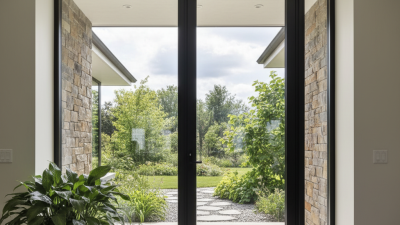
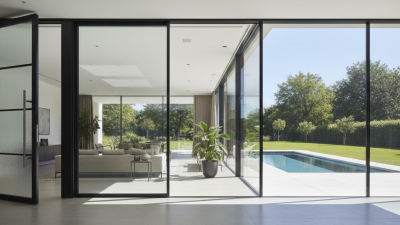
Glass front doors vary widely because property styles demand different visual and practical solutions. Contemporary homes often suit frameless or slim-frame doors with large clear panels. They create a bright entrance and emphasize clean architectural lines. Pivot doors add a dramatic feel, especially in tall villas and spacious modern houses. Their wide opening needs careful structural planning.

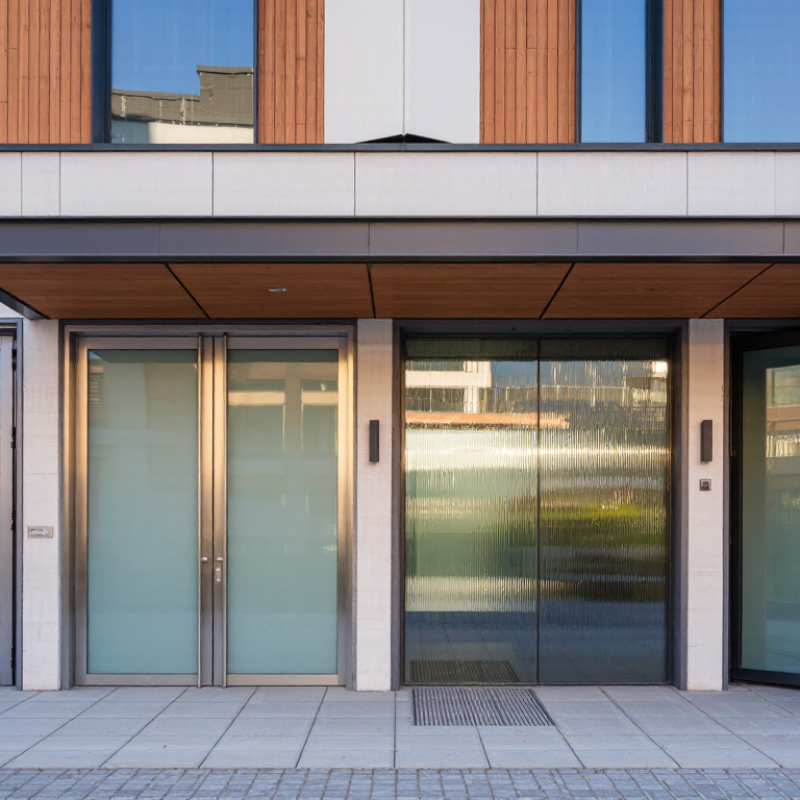
Traditional properties usually benefit from framed glass doors, French-style pairs, or doors with decorative glazing. Divided panes can match brick walls, timber details, and narrow entrances. Frosted or textured glass works well for urban homes that need privacy without losing daylight. Coastal properties may prefer corrosion-resistant frames and laminated glass, particularly in windy or humid locations.

Commercial buildings, apartments, and compact homes often use sliding glass entrance doors. They save exterior space and support frequent movement. However, sliding systems may provide less visual weight than a pivot door. That difference matters more than many buyers expect. On real projects, installers should check opening size, drainage, weather seals, and local safety requirements before selecting a style. Tempered or laminated glass can improve impact resistance, but neither option removes every risk. Thermal performance also depends on the frame and installation, not glass alone. A beautiful door can still feel wrong. Recheck proportions, handle height, privacy needs, and afternoon glare before ordering.

The chart compares the typical design fit of major glass front-door types across common property styles. Ratings use a 1–5 scale, where 5 indicates a strong match based on daylight, privacy, visual character and architectural compatibility. These are indicative design-fit ratings rather than market-share data.

Glass Options, Frame Materials, and Door Configuration Choices

2026 Top Types of Glass Front Doors for Global Buyers

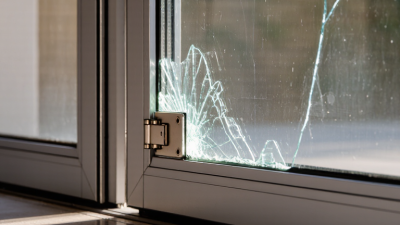
Glass choices shape daylight, privacy, comfort, and maintenance. Clear glass creates an open entrance, but it can expose hallways at night. Frosted or acid-etched glass softens views while preserving natural light. Textured glass adds character and hides fingerprints better than fully clear panels. For hot or cold regions, low-emissivity glass can reduce heat transfer. Laminated glass also helps retain fragments if the pane breaks. Tempered glass is stronger than ordinary glass, but it is not unbreakable.

Frame materials change the door’s appearance and service life. Aluminum offers a slim profile and resists moisture, though poor thermal breaks may cause condensation. Steel feels solid and suits larger entrances, but exposed edges need careful protection. Wood brings warmth and can be repaired, yet it demands regular sealing in wet climates. Fiberglass needs less upkeep, but its visual texture may feel less natural. I once preferred very dark frames; dust and water marks changed my mind.

Tips: Check local weather, wall thickness, drainage, and installation standards before ordering. Measure the opening twice, especially for double or pivot doors. Single doors suit compact entries, while double doors create a wider passage for furniture. Sliding systems save swing space, but their tracks collect grit. Ask for tested seals, suitable glazing, and replacement hardware availability. Fancy glass is attractive, but practical cleaning access matters more.

2026 Top Types of Glass Front Doors for Global Buyers - Glass Options, Frame Materials, and Door Configuration Choices

Glass Door Type Typical Glass Option Frame Material Door Configuration Main Performance Characteristics Suitable Applications Key Buyer Considerations
Single-Skin Clear Glass Door Tempered glass Clear float glass Aluminum, steel, timber, or uPVC Single hinged leaf; left- or right-hand opening High daylight transmission and clear visibility. Tempered glass provides improved impact resistance compared with ordinary annealed glass and breaks into smaller granular fragments when fractured. Interior entrances, mild climates, offices, retail stores, and low-exposure residential entryways Offers limited thermal and acoustic insulation compared with insulated glass units. Confirm local safety-glazing requirements for doors and adjacent areas.
Double-Glazed Insulated Glass Door Double IGU Low-E coating Argon fill Thermally broken aluminum, uPVC, timber, or composite Single or double hinged leaf; optional sidelights Two panes separated by a sealed spacer improve thermal performance and reduce interior surface condensation risk. Low-E coatings can reduce heat transfer and solar heat gain, depending on specification. Cold, mixed, and hot climates; energy-conscious residential and commercial projects Compare whole-door U-factor and solar heat-gain performance rather than glass-only values. Spacer type, gas retention, and installation quality affect results.
Laminated Safety Glass Door Laminated glass Clear or tinted Acoustic interlayer Aluminum, steel, timber, or frameless patch fittings Hinged, pivot, sliding, or fixed entrance assembly A plastic interlayer holds glass fragments together after breakage. It can also improve resistance to forced entry, ultraviolet filtering, and sound reduction when an acoustic interlayer is selected. Urban entrances, schools, offices, hospitality venues, and locations requiring enhanced security or noise control Choose the correct laminated construction and thickness for the required security, impact, wind-load, and acoustic performance.
Low-Iron Extra-Clear Glass Door Low-iron tempered Low-iron laminated Aluminum, stainless steel, timber, or minimal metal fittings Hinged, pivot, sliding, or frameless Reduced iron content produces higher visible light transmission and a less noticeable green tint than standard clear float glass. Premium retail storefronts, showrooms, galleries, modern residences, and display entrances Usually costs more than standard clear glass. It is not automatically more energy efficient; thermal performance depends on coatings, construction, and framing.
Tinted or Solar-Control Glass Door Grey, bronze, or green tinted Solar-control coating Thermally broken aluminum, uPVC, steel, or composite Single or double hinged leaf; sliding or entrance curtain system Reduces glare and can limit solar heat entering the building. Body-tinted glass changes visible appearance throughout the pane, while coatings provide more targeted solar control. Sunny climates, west-facing entrances, commercial buildings, hotels, and glazed façades Evaluate visible light transmission, solar heat-gain coefficient, color neutrality, and possible heat stress. Dark glass may increase lighting demand indoors.
Obscure or Patterned Privacy Glass Door Acid-etched Frosted film or coating Patterned glass Aluminum, uPVC, timber, steel, or composite Hinged single door, double door, or door with sidelights Diffuses views while admitting daylight. Acid-etched and patterned surfaces are integrated into the glass, while films and coatings may offer a different maintenance and replacement profile. Bathrooms, clinics, offices, apartment entries, hospitality spaces, and street-facing entrances Privacy levels vary by pattern and lighting conditions. Confirm whether the selected finish is on the surface or within the glass assembly.
Decorative Textured or Leaded-Style Glass Door Patterned glass Colored glass Laminated decorative glass Timber, composite, aluminum, or steel Traditional hinged door; single or double leaf; optional sidelights Creates visual character and partial privacy. Decorative designs can be manufactured as textures, colors, embedded elements, or laminated artwork. Heritage-style homes, boutique hotels, restaurants, villas, and feature entrances Verify cleaning requirements, color consistency, edge protection, and whether the decorative element is compatible with safety-glazing standards.
Fire-Resistant Glazed Door Wired glass where permitted Fire-rated laminated glass Specialty ceramic glass Tested steel, timber, aluminum, or proprietary fire-rated framing Single or pair of hinged leaves; certified glazed screen and door set Designed as a tested assembly to provide a specified period of integrity, and in some systems insulation, during fire exposure. Fire compartments, corridors, stair enclosures, commercial buildings, and regulated public facilities Fire rating applies to the complete tested door assembly, including glass, frame, hardware, seals, and installation. Do not substitute non-approved components.
Full-Glass Frameless Door Tempered glass Laminated safety glass Low-iron glass Minimal stainless-steel, aluminum, or concealed fittings Single pivot, offset pivot, hinged, or sliding leaf Provides a minimal visual frame and maximizes transparency. Hardware carries loads through approved clamps, rails, pivots, or patch fittings. Modern homes, offices, showrooms, hotels, restaurants, and internal lobby entrances Requires precise glass processing and compatible hardware. Check door weight, edge clearances, movement tolerances, drainage, and accessibility requirements.
Aluminum-Framed Glass Front Door Single glazing Double glazing Low-E IGU Powder-coated or anodized aluminum; thermally broken option Hinged, pivot, sliding, or automatic entrance Lightweight, corrosion-resistant, dimensionally stable, and available in many profiles and finishes. A thermal break reduces direct heat flow through the frame. Residential and commercial entrances in a wide range of climates Specify profile depth, drainage, hardware grade, thermal break, finish durability, and coastal corrosion requirements where relevant.
Timber-Framed Glass Front Door Double-glazed unit Laminated glass Decorative glass Engineered timber, hardwood, or softwood with protective finish Single or double hinged leaf; optional glazed sidelights Provides a warm appearance and naturally low thermal conductivity. Engineered timber can improve dimensional stability compared with some solid-wood constructions. Residential projects, heritage buildings, villas, boutique hospitality, and custom entrances Requires suitable moisture protection, regular finish maintenance, accurate moisture control, and careful detailing at thresholds and joints.
Steel-Framed Glass Security Door Laminated security glass Tempered laminated glass Galvanized or stainless steel; painted or powder-coated finish Hinged single leaf, double leaf, or fixed glazed entrance High frame strength and slender sightlines are possible. Laminated glass retains fragments and can be specified for increased resistance to impact or forced entry. Urban homes, commercial properties, high-traffic entrances, and security-conscious projects Security performance must be assessed for the complete system, including locks, hinges, frame anchoring, glass construction, and surrounding wall conditions.
Sliding Glass Front Door Tempered safety glass Laminated glass Double-glazed low-E Aluminum, uPVC, timber, or composite Two-panel, multi-panel, lift-and-slide, or pocket sliding system Saves swing clearance and can create a wide opening. Lift-and-slide systems reduce operating resistance by raising the panels during movement. Patios, terraces, balconies, retail entrances, and large residential openings Check track drainage, panel weight, anti-lift protection, weather seals, threshold accessibility, and required clear opening width.
Pivot Glass Front Door Large laminated glass Tempered laminated glass Low-iron glass Aluminum, steel, timber, or concealed pivot frame Central, offset, or floor-to-ceiling pivot leaf Supports large, visually striking door leaves and can distribute loads through top and bottom pivot hardware rather than conventional side hinges. Contemporary residences, luxury hospitality, galleries, and feature commercial entrances Requires structural coordination for pivot loads, accurate floor and head alignment, controlled closing, wind restraint, and sufficient approach space.
Automatic Sliding or Swing Glass Entrance Tempered safety glass Laminated safety glass Insulated glass where compatible Aluminum automatic-door framing with operator cover Single slide, bi-parting slide, telescopic slide, or automatic swing Supports hands-free access and high traffic flow. Sensors, safety controls, and emergency-release functions are integral to the system. Retail, airports, hotels, healthcare facilities, offices, and public buildings Confirm compliance with local accessibility and automatic-door safety standards, including sensor coverage, breakout function, opening speed, and emergency operation.
Selection data is comparative and indicative. Final glass thickness, safety classification, thermal values, wind resistance, fire rating, hardware, and installation details should be confirmed against local building codes and the project’s tested system requirements.

Safety, Energy Efficiency, Security, and Regional Code Requirements

2026 Top Types of Glass Front Doors for Global Buyers

Safety and energy performance should guide glass front-door selection, not appearance alone. Tempered glass breaks into smaller pieces after severe impact. Laminated glass holds together because a plastic interlayer remains attached. For many entrances, laminated or laminated-tempered construction offers a more controlled failure pattern and better resistance to forced entry. The 2024 International Residential Code, Section R308.4, identifies doors and nearby hazardous glazing as locations requiring safety glazing in applicable conditions. Europe commonly references EN 12600 impact classification. Local approval still matters.

Energy loss deserves equal attention. The U.S. Department of Energy reports that windows can cause 25–30% of residential heating and cooling energy use. Insulated glass units with low-emissivity coatings can reduce heat transfer, while suitable solar-control glass limits summer heat gain. However, a lower U-value does not automatically suit every climate. Cold regions may need stronger solar gains, while hot regions often require lower solar heat gain coefficients. Frame depth, edge spacers, air leakage, and installation quality can weaken published performance.

Security specifications should be precise. EN 1627 resistance classes and ASTM F1233 testing address different performance questions, so buyers should not treat them as interchangeable. Check the complete door assembly, including locks, hinges, frame, and glass retention. Regional rules may also require wind-load, fire, accessibility, or thermal calculations. A visually strong door can still fail at its frame. That uncomfortable detail deserves more attention. Certifiable test evidence is safer than a sales description.

How Global Buyers Can Compare, Specify, and Purchase Glass Front Doors

In 2026, global buyers should compare glass front doors by performance, not appearance alone. Clear glass brings daylight, while frosted or textured glass improves privacy. Laminated glass can reduce injury risk after impact. Insulated glass may improve indoor comfort in hot or cold climates. Consider the building’s orientation, wind exposure, rainfall, and entrance traffic. A south-facing door may need stronger solar control than a shaded entrance.

Specify the door with measured opening dimensions, frame material, glass build-up, swing direction, threshold height, and hardware requirements. Ask for U-value, solar heat gain, acoustic data, air leakage, and water resistance test results. These figures make supplier comparisons more reliable. Do not rely on “energy-saving” as a complete specification. Local construction requirements still need confirmation by a qualified professional. Small errors matter.

Request a full drawing before purchase. It should show glass thickness, drainage paths, fixing points, and tolerances. Ask for physical samples when color or privacy is important. A screen image can mislead. Confirm packaging, delivery terms, installation guidance, replacement seals, and warranty limits in writing. An experienced installer should inspect the opening before fabrication. Otherwise, a correctly manufactured door may still fit poorly. I would also allow time for a pre-shipment inspection, although rushed projects often skip it. That decision can create expensive adjustments later.

About Us

Andy’s Glass & Window Company of Temecula Valley has been servicing the glass, window and door needs of Southern California since the 1970′s. Operating from a 10,700sf commercial building in Murrieta, California, a neighboring town of Temecula.

Contractor’s License #821172

Andy’s Glass & Window Company

25751 Jefferson Ave, Murrieta, CA 92562

(951) 677-7421

sale@johnsonwindowtint.com

Store Hours:
Monday - Thursday 8:00 am - 5:00 pm
Friday 8:00 am - 4:30 pm
Closed Saturday & Sunday

Visit Us

Contact Information
Andy's Glass & Window Company