2026 Best Types of Glass Doors for Global Buyers
Choosing the best glass door in 2026 requires more than comparing attractive photographs. Global buyers must evaluate safety, climate, installation methods, energy performance, and long-term maintenance. The phrase “doors glass” may describe many products, from frameless shower doors to insulated sliding systems and commercial entrances. Each type serves a different purpose.
This guide examines the leading glass door options for homes, offices, hotels, and retail spaces. It considers tempered and laminated glass, thermal breaks, hardware quality, opening direction, and accessibility needs. In coastal areas, corrosion-resistant fittings can prevent early damage. In colder regions, insulated glazing may reduce heat loss near large openings. Small details matter.
Experience changes the buying decision.
A reliable supplier should provide clear specifications, test reports, warranty terms, and installation guidance. Product performance can vary between markets, even when designs look identical. Buyers should also confirm local building requirements before ordering. No single door suits every project. Even experienced purchasers can overlook drainage, wall tolerance, or replacement-part availability. This guide cannot replace professional site assessment, but it can create a stronger starting point. The goal is practical selection: matching glass type, frame design, hardware, and service support with real project conditions. By comparing these factors carefully, buyers can reduce costly revisions and choose doors that remain safe, attractive, and functional over time.

Glass Door Basics: Structure, Materials, and Key Design Features
A glass door is a coordinated system, not simply a glass sheet in a frame. Its main parts include the glass leaf, frame, hinges or rollers, locks, seals, and threshold. Tempered glass offers stronger impact resistance and breaks into small granules. Laminated glass holds together after breakage, which supports safer public and commercial applications. Insulated glass units add a sealed air or gas cavity between panes.
Material selection affects comfort, safety, and maintenance. Low-emissivity coatings can reduce heat transfer, while solar-control coatings limit excessive sunlight. The U.S. Department of Energy reports that windows can cause 25–30% of residential heating and cooling energy use. This figure helps buyers understand why glass-door performance matters, even when the door area seems small.
The 2024 International Energy Agency Global Status Report for Buildings and Construction states that buildings consume about 30% of global final energy. Therefore, buyers should review U-values, solar heat gain, visible light transmission, and acoustic ratings. Hardware quality also matters. Poor rollers, weak seals, or incorrect drainage can shorten service life. Field inspections often find installation errors rather than glass failures. Small details matter.
Sliding doors save swing space but need clean tracks. Hinged doors provide a tighter closing action but require clearance. Clear glass improves openness, while frosted or patterned surfaces improve privacy. Safety markings are easy to overlook. A perfect specification is rarely perfect in use. Local climate, cleaning habits, wind exposure, and accessibility requirements should shape the final design.
How to Select the Right Glass Door for Different Applications
2026 Best Types of Glass Doors for Global Buyers
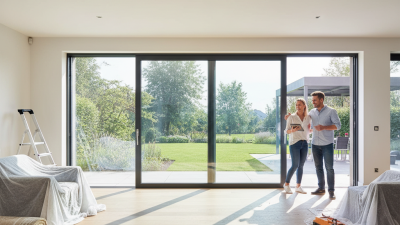
Choosing the right glass door starts with the application, not appearance. A bathroom may need a framed tempered-glass door for stability and privacy. A hotel lobby often benefits from large laminated panels, automatic access, and strong thermal performance. For homes, sliding doors save floor space, while hinged doors provide a wider opening and a more traditional feel.
Consider climate, traffic, maintenance, and security together. In coastal regions, corrosion-resistant hardware matters. In colder areas, insulated glass can reduce heat loss near entrances. Busy retail spaces need durable panels, clear safety markings, and reliable hinges. Measure the opening carefully. Small errors can cause alignment problems later. A beautiful door can still perform poorly when ventilation, drainage, or wall strength is ignored.
Tips: Ask suppliers for glass thickness, safety testing, hardware specifications, and installation guidance. Confirm that the design matches local building requirements. Visit a completed installation if possible. Watch the door operate repeatedly. Check closing speed, noise, and edge protection. Real use reveals weaknesses.
I have seen projects focus too heavily on appearance. That choice looked reasonable at first, but cleaning access became difficult. A simpler design might have worked better. Also, product descriptions are not enough. Request samples, drawings, and maintenance instructions before approval. Work with an experienced installer who can assess the structure and surrounding conditions.
2026 Best Types of Glass Doors for Global Buyers
How to Select the Right Glass Door for Different Applications
Selection guide: Choose single tempered glass for cost-sensitive interior partitions, laminated glass for improved safety and sound control, double insulated glass for general exterior entrances, Low-E insulated glass for energy-conscious buildings, and triple Low-E insulated glass for cold climates or high-performance façades.
Values are representative center-of-glazing figures commonly used for early-stage comparison. Actual whole-door performance depends on glass thickness, coating, spacer, frame, seals, size, installation quality, and local testing standards. Lower U-factor indicates better thermal insulation; higher STC indicates better airborne sound reduction.
Installation, Maintenance, Standards, and Global Buying Considerations
Glass doors are attractive, but global buyers should judge more than appearance. The International Energy Agency reports that buildings used about 30% of global final energy in 2022. Door glass, frames, and air leakage can affect comfort and operating costs. The U.S. Department of Energy estimates that windows may represent 25–30% of residential heating and cooling energy use. Glass doors are only one part of that figure, but poor installation can increase losses. Measure twice. Confirm the opening, wall depth, sill slope, and drainage path before ordering.
Safety and climate performance require documented specifications. Tempered glass should meet applicable requirements, such as EN 12150 or ANSI Z97.1. Laminated glass may improve security and reduce falling fragments after breakage. Ask for declared U-values, solar heat gain data, acoustic ratings, and tested wind-load performance. Regional standards differ, so an independent engineer or qualified installer should verify compliance. A low U-value alone is not enough in a hot climate; excessive solar gain can still overheat interiors.
Installation quality often decides service life. Use compatible shims, flashing, fasteners, and sealants, especially near coastal or high-humidity areas. Small gaps matter. Inspect rollers, gaskets, drainage holes, and protective coatings twice yearly. Clean with mild soap and soft water; abrasive tools can scratch surfaces and damage seals. Industry guidance from ISO and national building authorities is useful, but specifications can remain incomplete when local exposure data is missing. That weakness deserves review before purchase, not after failure.