10 Tips for Buying Residential Doors and Windows
Buying residential doors and windows is more than a style decision. The right choices can improve comfort, reduce drafts, and support energy efficiency. The U.S. Department of Energy’s Energy Saver guidance estimates that heat gain and heat loss through windows account for 25% to 30% of residential heating and cooling energy use. That is a meaningful share. ENERGY STAR also reports that replacing single-pane windows with certified models can save homeowners an average of 12% on energy bills, though actual savings vary by climate, home, and energy costs. These figures offer useful context, not a promise of identical results for every household.
A smart purchase begins with the home itself. A sun-facing room, a noisy street, or a damp entryway may call for different materials and performance features. Measure each opening carefully, then compare frame materials, glass options, weather seals, security hardware, warranties, and installation requirements. Small details matter. A beautiful door that leaks air, or a window that sticks after a season, can become an expensive regret. There is no universal “best” product; budget, local weather, and maintenance needs all change the answer. The following ten tips will help buyers ask better questions, compare specifications fairly, and choose residential doors and windows with fewer surprises. Even careful research has limits, so confirm product ratings and installation details with qualified local professionals before committing.
Assess Your Home’s Needs and Set a Purchase Budget
Before comparing residential doors and windows, note what your home actually needs. Stand near each opening on a windy day and check for drafts, rattling, or damp window edges. Look at how each room is used: a bedroom may need better sound control, while a sunny kitchen may benefit from reduced heat gain. Measure each opening, but treat early measurements as a guide, not an order-ready specification. Small errors happen.
Your budget should cover more than the products themselves. Include professional measurement, installation, removal of old units, finishing work, and any repairs to damaged frames. Glazing choices, opening styles, materials, and custom sizes can change the price considerably. Ask for written quotes that describe the same scope of work; otherwise, a lower figure may simply leave out important tasks. Keep a reserve for surprises, such as hidden rot discovered after removal.
Set priorities by room and by urgency. A badly warped entry door may deserve attention before a window that only looks dated. If replacing everything at once strains the budget, plan the work in stages and compare the long-term value of each option, not just its initial cost. One estimate can still be wrong. Recheck measurements and assumptions before signing, especially if several openings look similar but differ slightly.
Compare Door and Window Materials, Styles, and Operation
Choosing residential doors and windows means balancing material, style, and daily operation. Wood offers a warm, substantial feel, but exposed finishes need regular care. Fiberglass resists moisture and temperature changes, while vinyl is generally low-maintenance. Steel doors can feel sturdy, though surface damage may need prompt attention. No material is perfect.
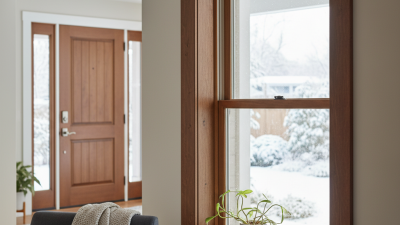
Match the style to the room and the home’s exterior. A casement window opens outward and can catch a breeze; a sliding window saves space beside a walkway. Double-hung windows let you open the top or bottom sash, which can help with ventilation. For doors, consider how much clearance a swinging panel needs. A sliding patio door avoids that arc, but its track must stay clear of grit. Small details matter.
Test samples if possible. Notice the frame’s finish, the handle’s grip, and how smoothly the sash moves. Check product specifications for air leakage, water resistance, and thermal performance, then compare them with your climate and exposure. A sunny wall, for example, may place different demands on finishes than a sheltered entry. Installation matters too; a well-made unit can still perform poorly if it is not sealed and fitted correctly. I would not choose by appearance alone. A beautiful window that is awkward to clean may become a daily annoyance.
10 Tips for Buying Residential Doors and Windows
Compare materials, styles, and operation before choosing the right fit for your home.
Typical two-panel configurations vary by product: fixed windows have no operable panels; single-hung and sliding windows usually have one; double-hung and paired casement windows typically have two. Check the specific unit’s configuration, ventilation needs, maintenance requirements, and material options before buying.
Check Energy Efficiency, Security, and Weather Resistance
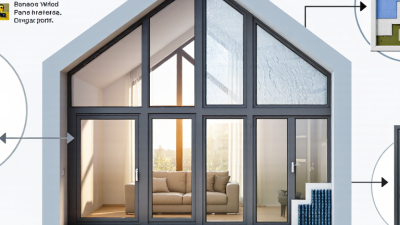
When comparing residential doors and windows, look beyond attractive finishes. Check the energy label for performance ratings suited to your local climate. Low-emissivity glazing can reduce heat transfer, while insulated frames help limit drafts. Ask whether the rating applies to the complete unit, not just the glass. A high number on one feature does not guarantee a comfortable room.
Security depends on the whole assembly. Look for sturdy frames, reliable locks, and hinges that resist forced entry. For windows near ground level, consider laminated or tempered glass where appropriate. Check that locks engage smoothly and that the door closes without a hard shove. Small details matter. A beautiful door is less useful if its frame flexes or its latch misses.
Weather resistance shows up during ordinary use. Inspect seals for gaps, press gently around the frame, and check that window sashes sit evenly. A well-designed sill should direct rain away from the home, not toward the wall. Ask how materials handle sun, moisture, and seasonal temperature changes in your area. Installation matters just as much as the product; even efficient units can leak if poorly fitted. One easy mistake is focusing only on the purchase price. I would compare maintenance needs, warranty terms, and expected performance too, though those details can be tedious. Test it yourself.
Confirm Measurements, Building Codes, and Installation Plans
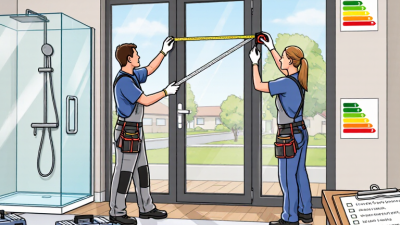
Before ordering residential doors or windows, measure each opening at the top, middle, and bottom. Record width and height separately; older frames are often out of square. Check the diagonals, too. A mismatch may indicate a shifted frame, not a measuring error. Clarify whether your figures describe the rough opening or the existing unit. Suppliers may use different conventions, so confirm the measurement method in writing before production.
Check local building requirements before choosing glazing or finalizing sizes. Rules may cover safety glass, bedroom escape openings, energy performance, and wind resistance. Requirements vary by location. Ask your local building department or a qualified installer when details are unclear. Also inspect the sill and surrounding wall for water damage. Even careful measurements can miss a soft, hidden area. That is easy to overlook.
Tip: Put every opening on a simple room-by-room list, with photos and measurements. Note who will remove the old units, protect the room from rain, and handle trim or flashing. Confirm the installation date and access needs before delivery. Plans change, sometimes for good reason; leave a little time to review the details.
Review Quotes, Warranties, and Supplier Reliability
A residential door or window quote should describe more than the product price. Check the frame material, glazing, hardware, measurements, removal work, and installation labor. Ask whether trim, disposal, and repairs to damaged openings are included. A low total can hide these costs. Keep it clear.
Compare quotes line by line, not just by the final number. Ask suppliers to explain differences in glass options, energy ratings, and installation methods. If a measurement is still preliminary, request an updated quote before approving the order. Small details matter, especially when several openings have different sizes.
Read the warranty for coverage, exclusions, and claim steps. Does it cover the product, the installation, or both? Note who handles service if a sash sticks or water appears near a frame. Ask for the response process in writing. Check reliability through recent customer references and clear answers about delivery dates, installation crews, and follow-up visits. A polished estimate is not proof of dependable service. I once assumed a vague “installation included” line covered interior trim; it did not. Ask why any item is missing, and keep every revision with the quote.