Why Choose the Right Doors and Windows?
A home’s doors and windows do more than frame a view. They influence comfort, daylight, noise, security, and energy use. On a cold morning, a poorly sealed window can leave a chilly strip of air beside the sofa. A sticking entry door can also signal worn hardware or a poor fit. These details matter every day.
The U.S. Department of Energy’s Energy Saver guidance estimates that heat gain and loss through windows account for about 25–30% of residential heating and cooling energy use. That figure makes window selection important, but it is not a guaranteed saving for every home. Climate, orientation, glazing, and installation all affect performance. Not a promise. For comparable product information, the National Fenestration Rating Council’s labels show ratings such as U-factor and solar heat gain coefficient. These numbers help, but they do not reveal everything about a specific room or household. When researching “doors windows,” it helps to consider both as parts of the building envelope, rather than isolated purchases. This guide looks at material, insulation, maintenance, security, and fit. It also weighs practical trade-offs: a high-performance unit may cost more upfront, and even a quality product can underperform when poorly installed. The right choice depends on the building and the people using it. A little skepticism is useful.
Functions of Doors and Windows in a Building
Why Choose the Right Doors and Windows?
Doors and windows do more than fill openings. They guide movement, bring daylight indoors, and help control air, noise, and temperature. A well-placed window can brighten a desk without making the room uncomfortable with glare. Open it on a mild day, and fresh air can move through the space. Small details matter.
Doors connect rooms and define privacy. An entry door also creates a practical boundary between home and outdoors. Its fit, latch, and threshold affect security, noise, and ease of access. A stiff door may seem minor, but it can become a daily frustration, especially for children or anyone carrying groceries.
The right choice depends on the room, local weather, and how the building is used. In a damp bathroom, for example, ventilation and moisture-resistant finishes deserve attention. In a bedroom facing a busy street, sound control may matter more than a large glass area. Frames and seals also need to fit properly; even an efficient window can perform poorly if installation leaves gaps. I have seen people focus on appearance first, then regret overlooking cleaning access or condensation. That trade-off is easy to miss. A simple check of sunlight, drafts, and daily traffic can make the decision more grounded.
Why Choose the Right Doors and Windows?
Representative Thermal Transmittance (U-Value)
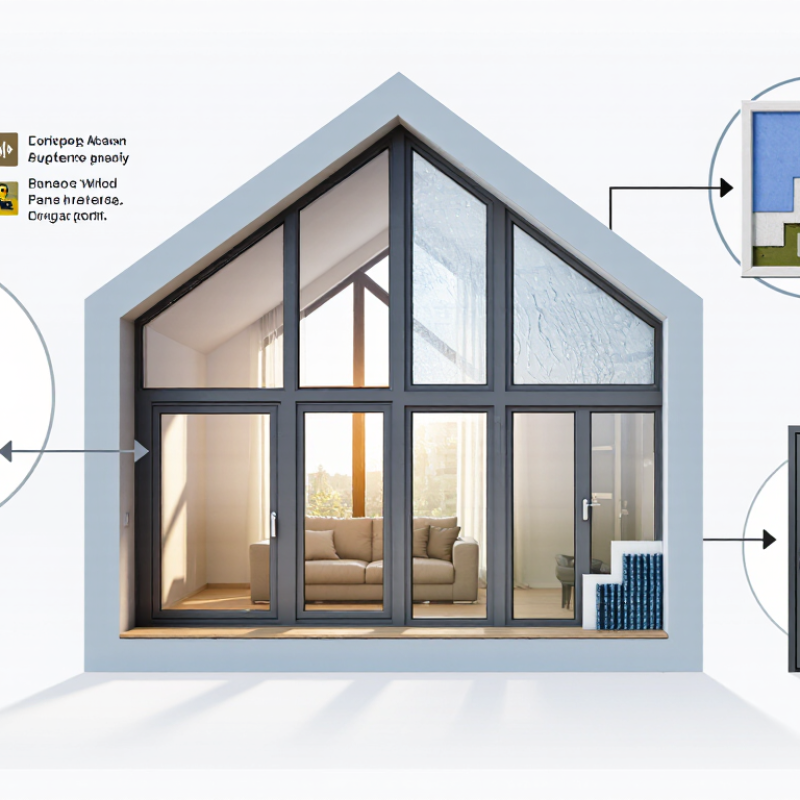
Doors and windows provide access, daylight, ventilation, and views, while also helping protect a building from weather and heat loss. U-values shown here are approximate examples in W/m²·K; lower values indicate less heat transfer. Actual performance varies by product, installation, and building conditions.
Key Factors for Choosing Doors and Windows
Choosing doors and windows means balancing comfort, durability, security, and cost. Start with your local climate. In a windy or rainy area, look for sturdy frames, reliable seals, and clear water-management details. For hot, sunny rooms, suitable glazing can reduce glare and heat. Check the product’s tested performance ratings, and compare them with your home’s needs rather than choosing by appearance alone.
Measure each opening carefully, including its depth and squareness. A small measurement error can cause drafts or make installation difficult. Consider how each unit opens, too. A window above a kitchen sink may be easier to use as a slider than as a hinged sash. Inspect frame materials, hardware, cleaning access, and warranty terms. These details are easy to overlook. It is tempting to focus on the glass, but the frame and installation matter just as much. Even a well-rated window can perform poorly if fitted badly.
Tips: Ask an experienced installer to check unusual openings before ordering. Compare written specifications, not just sales descriptions. Feel for drafts around existing frames on a windy day. If one feature is unclear, ask for an explanation in writing. Don’t rush the choice.
How Materials Affect Performance and Durability
Why Choose the Right Doors and Windows?
Material choice affects comfort, upkeep, and how well a home handles changing weather. Wood frames offer natural insulation and a warm finish, but exposed paint or coatings may need regular attention. In damp conditions, neglected wood can swell or decay. Small details matter.
Fiberglass frames resist moisture and tend to hold their shape through temperature changes. Aluminum is strong and suits slim frame designs, though metal conducts heat. A thermal break—a barrier within the frame—can reduce heat transfer. uPVC needs little painting, but quality and reinforcement vary. No material is perfect.
Glass, seals, and installation also shape performance. Double glazing can reduce heat loss, while low-emissivity coatings help manage solar heat. Yet a well-specified window may still perform poorly if gaps let air or water through. Check frame corners, weatherstripping, and drainage paths; these are easy to overlook. I’d be cautious about choosing by appearance alone. A dark frame can heat up in strong sun, and local climate changes which trade-offs matter most. Not always obvious. Request performance details suited to your climate, then compare maintenance needs alongside upfront cost.
Why Choose the Right Doors and Windows? - How Materials Affect Performance and Durability
Note: These are general material characteristics, not guaranteed ratings for a particular product. Whole-unit energy performance and service life depend on the complete door or window design, glazing, seals, installation quality, exposure, and maintenance. Compare tested product ratings for the intended climate and application.
Energy Efficiency, Safety, and Indoor Comfort
The right doors and windows affect more than curb appeal. They shape energy use, security, and the feel of each room. The U.S. Department of Energy’s Energy Saver guidance estimates that windows account for 25–30% of residential heating and cooling energy use. Check frame condition, glazing, and installation, not just the glass label. On a cold morning, a draft near the sill is a practical clue.
For efficiency, compare NFRC-certified U-factor and solar heat gain coefficient ratings for your climate and window orientation. A lower U-factor generally means less heat transfer; SHGC indicates how much solar heat enters. Good sealing matters too. A highly rated window can still underperform if gaps around its frame let air move. Comfort often depends on small details: cold glass beside a chair, glare on a desk, or condensation after cooking. It matters.
Safety starts with secure locks, sound frames, and glazing suited to the location. Consider laminated or tempered safety glass where impact risk exists, and check that doors latch fully without sticking. U.S. Consumer Product Safety Commission guidance recommends keeping furniture away from windows and using appropriate guards, especially where children are present. No rating replaces careful installation or routine checks. An overly sealed home may also need planned ventilation—a trade-off that is easy to overlook.
Matching Door and Window Designs to Building Needs
Door and window designs should respond to how each space is used, not just how its façade looks. A west-facing classroom needs different glazing from a shaded bedroom or a busy shop entrance. Consider orientation, climate, privacy, daily traffic, and maintenance. Then match each opening to its job.
The U.S. Department of Energy’s Energy Saver guidance estimates that windows account for about 25–30% of residential heating and cooling energy use through heat gain and loss. Low-emissivity glass, insulated frames, and exterior shading can help limit unwanted heat while preserving daylight. ENERGY STAR reports energy-bill savings of 7–15% when certified windows replace single-pane units. Actual savings vary by climate and home. I would not treat either figure as a promise.
Doors need the same context-driven approach. A school corridor may need a durable door, clear circulation space, and hardware suited to frequent use. A patio door may need reliable weather seals and a low-effort opening mechanism. Check swing paths against furniture and notice where rain hits the threshold. Small details matter. A specification can still miss the mark if installers overlook those conditions, so review the opening on site before ordering.