Choosing a reliable glass company is not only about finding the lowest quote. It affects safety, energy efficiency, appearance, and the long-term value of your property. A professional team should explain glass types, frame materials, installation methods, warranties, and maintenance requirements in clear language. They should also understand local building standards and recommend products suited to your climate. Small details matter. Look for accurate measurements, clean work areas, protected flooring, and carefully sealed edges. These signs often reveal how seriously a company treats its craft.
The right decision requires more than polished advertising. Check verified reviews, recent project photos, insurance information, and relevant industry credentials. Ask whether the installers are employees or outside contractors. Request a written estimate that lists materials, labor, delivery, preparation, and possible additional costs. Reliable businesses welcome practical questions. Be cautious when answers remain vague. A company may have impressive showroom samples but weak after-sales support. That possibility deserves attention. Speak with previous customers when possible, especially those with similar windows, doors, shower enclosures, or commercial projects. No glass company is perfect, and even experienced teams can make mistakes. What matters is whether they communicate promptly, correct problems responsibly, and document their work. These ten tips can help you compare providers with greater confidence and avoid decisions based only on attractive promises.
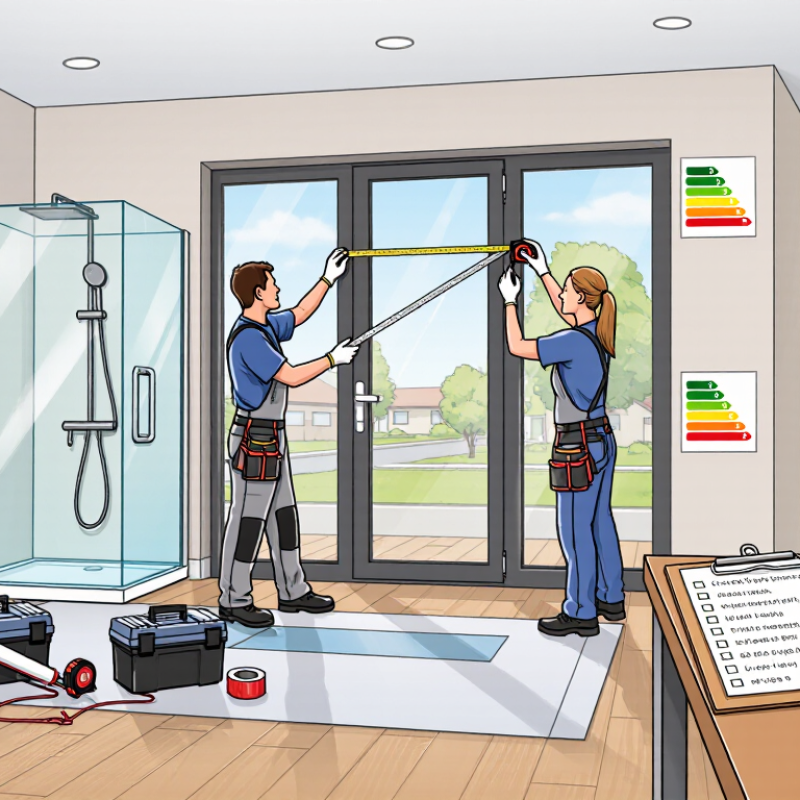
Before choosing a glass company, define exactly what your project must accomplish. Is it a shower enclosure, office partition, replacement window, or custom railing? Each application requires different glass, fittings, measurements, and installation methods.
Record the opening’s width, height, wall condition, and nearby obstacles. A simple sketch with photographs can prevent expensive misunderstandings. Specify your preferred glass thickness, transparency, color, edge finish, and safety requirements. Tempered or laminated glass may suit different situations, but a qualified professional should confirm the correct specification. Ask how the company handles uneven walls, old frames, drainage, and difficult access. These details often affect the final cost more than the glass itself.
I once underestimated the time needed to prepare an uneven opening. That mistake taught me to discuss tolerances before approving a quote. Ask for a written scope covering measurements, materials, hardware, delivery, installation, cleanup, and warranty terms. Confirm who performs the site survey and who resolves damage during installation. A reliable company explains limitations instead of promising everything immediately. Request evidence of relevant training, insurance, and experience with similar projects. Check whether the proposed design follows applicable building and safety requirements. Do not rely on a vague estimate. Clear requirements make accurate comparisons possible, although some decisions may change after the site inspection.
Common nominal thicknesses used in flat-glass specifications are shown below. The correct thickness depends on the glass type, panel dimensions, span, loads, safety requirements, local building codes, and installation method. Ask the glass company to confirm the specification before ordering.
A reliable glass company should make its qualifications easy to verify. Ask for current business registration, trade licensing, and liability insurance details. Requirements vary by location, so confirm them with the relevant local authority. Do not accept a vague “we are certified” claim. Request written proof. It matters.
Experience becomes clearer through specific questions. How many years has the team handled your type of work? Can they explain glass thickness, safety glazing, edge finishing, and fitting methods? A skilled estimator should inspect frames, measure twice, and discuss wind, moisture, and daily use. I once trusted a quick verbal estimate, and the final measurements needed correction. That mistake taught me to request a detailed written scope before paying a deposit. Ask for recent project photos, but remember that photos can be selective. A site visit tells you more.
Local reputation deserves careful checking. Read reviews across several independent platforms, then look for repeated details about punctuality, cleanup, communication, and warranty support. Speak with recent customers if the company can provide references. One angry review may reflect an unusual dispute; a pattern is different. Check whether the business has served nearby properties like yours and understands local weather conditions. Reliable contractors explain delays honestly and record changes in writing. They should also describe what happens if glass arrives damaged or measurements prove wrong. I still leave room for doubt. Confidence should come from evidence, not polished promises.
| No. | Evaluation Dimension | What to Verify | Reliable Evidence or Benchmark | Warning Signs | Recommended Action |
|---|---|---|---|---|---|
| 1 | Business Registration | Confirm the legal business name, registration status, operating address, and contact details through the relevant local or state registry. | The company’s information matches official public records and remains current. | No verifiable registration, inconsistent addresses, or reluctance to provide basic business information. | Check the applicable government registry before requesting a deposit or signing a contract. |
| 2 | Licensing and Permits | Determine whether the work requires a contractor, glazing, building, or specialty license in your jurisdiction. | License numbers can be independently verified and are valid for the project location and scope. | Expired credentials, a license that covers a different trade, or claims that permits are never necessary. | Ask who will obtain required permits and verify the answer with the local building authority. |
| 3 | Insurance Coverage | Request evidence of current general liability insurance and, where applicable, workers’ compensation coverage. | A certificate of insurance identifies the insured business, policy dates, and relevant coverage types. | The certificate is missing, expired, issued for another business, or cannot be confirmed by the insurer or agent. | Verify coverage directly with the insurance agency before work begins. |
| 4 | Relevant Experience | Assess experience with the specific service, such as replacement windows, insulated units, shower enclosures, storefronts, or structural glazing. | A documented portfolio includes comparable projects, materials, installation methods, and project dates. | Only generic images, no comparable work, or inability to explain the proposed installation method. | Request two or more references for projects similar in size, glass type, and complexity. |
| 5 | Technical Standards | Confirm that the proposed glass, framing, safety glazing, sealants, and installation methods comply with applicable building codes and project specifications. | The proposal identifies glass thickness, safety treatment, performance requirements, and applicable code considerations. | Vague product descriptions, no written specifications, or guarantees that bypass code requirements. | Have the scope reviewed by the project designer, building official, or qualified construction professional when necessary. |
| 6 | Local Reputation | Review feedback from multiple independent sources and look for patterns in workmanship, communication, punctuality, and complaint handling. | Recent reviews are consistent across sources and include specific, verifiable project details rather than only star ratings. | Repeated unresolved complaints, sudden review activity, or identical wording across many testimonials. | Contact recent customers directly and ask whether defects or warranty issues were resolved promptly. |
| 7 | Written Estimates | Compare labor, materials, measurements, disposal, permits, taxes, delivery, payment milestones, and exclusions. | The estimate is itemized, dated, and clear about what is included and excluded. | A single unexplained total, substantial verbal changes, or pressure to accept immediately. | Obtain comparable written estimates using the same specifications; the lowest price is not automatically the best value. |
| 8 | Contract Terms | Check the scope of work, start and completion dates, change-order process, payment schedule, cancellation terms, and responsibility for damage. | Both parties sign a detailed contract before materials are ordered or work begins. | Blank sections, open-ended pricing, unclear ownership of materials, or requests for full payment upfront. | Keep signed copies, receipts, drawings, product data, and all approved changes. |
| 9 | Warranty and After-Sales Service | Separate the manufacturer’s product warranty from the installer’s workmanship warranty and identify the claims process. | Warranty documents state coverage periods, exclusions, transferability, and response procedures in writing. | Verbal promises only, unclear exclusions, or no defined process for leaks, seal failure, cracks, or adjustment issues. | Store the warranty documents with the final invoice and confirm who handles each type of claim. |
| 10 | Communication and Site Safety | Evaluate response times, measurement procedures, worker safety practices, property protection, cleanup, and disposal arrangements. | The company provides a clear point of contact, confirms measurements, uses appropriate protective equipment, and documents site conditions. | Missed appointments, unanswered questions, unsafe handling, poor protection of interiors, or incomplete cleanup. | Use a pre-installation checklist and record existing damage before the crew arrives. |
Glass quality is more than clarity and shine. The U.S. Department of Energy reports that windows can represent 25–30% of residential heating and cooling energy use. Therefore, compare U-value, solar heat gain coefficient, and visible transmittance, not only the quotation. Ask for current test reports and batch traceability. A reliable supplier should explain the result in plain language.
Tip 1: Check the glass specification. For safety glazing, review compliance with ASTM C1048 or the relevant regional standard. For insulating glass units, request evidence of testing under ASTM E2190 or EN 1279. These standards address durability, sealing, and performance. Small details matter. Spacer type, sealant depth, glass thickness, and edge quality can affect service life. A missing document is not always proof of poor quality, but it deserves a careful question.
Tip 2: Compare product options by application. Low-emissivity glass can reduce heat transfer, while laminated glass improves impact resistance and acoustic control. Tempered glass offers stronger thermal performance, but it may require precise processing because cutting is impossible after tempering. The International Energy Agency highlights efficiency as a major building priority, yet performance figures can be misunderstood. I have seen specifications that looked impressive but ignored installation conditions. No checklist is perfect. Confirm frame compatibility, orientation, climate, warranty limits, and replacement procedures before choosing.
A reliable glass company should provide a detailed quotation, not a single attractive total. Check the glass type, thickness, dimensions, hardware, delivery, installation, and disposal fees. Ask whether measurements are confirmed on site. I once saw a low quote change after installation began. The missing details caused tension and delay.
Read the warranty line by line. It should separate coverage for glass defects, hardware, seals, and workmanship. Ask how long each item remains covered and who handles service visits. Look for exclusions involving improper cleaning, building movement, or accidental damage. The claims process should be practical, with contact details and response times. Vague promises are weak protection.
Timelines need more than an estimated completion date. Request milestones for measuring, ordering, fabrication, delivery, and installation. Ask what happens if materials arrive damaged or a site is not ready. Weather may affect exterior work, but unclear scheduling should not. The contract should identify approved drawings, payment stages, cancellation terms, change-order fees, and responsibility for permits. Confirm that verbal promises appear in writing. Small omissions matter. A professional company welcomes careful questions, even when they slow the signing process. One detail I might still miss is access for large glass panels, so I now check door widths, stairs, parking, and lift requirements before approving the contract.
10 Tips for Choosing a Reliable Glass Company
When choosing a glass company, listen to how its team communicates. Do they answer questions clearly, or rush toward a deposit? Ask for a written estimate showing glass type, thickness, measurements, hardware, labor, and expected timing. Reliable staff explain technical choices in plain language. They also confirm details by email, reducing mistakes caused by hurried phone calls. I once accepted a vague estimate, and the final cost became harder to question.
Communication matters during delays, too. Ask who will contact you if measurements change or materials arrive late. A dependable company should provide one responsible contact person. Check recent customer reviews, but read the details rather than trusting star ratings alone. Look for comments about punctuality, cleanliness, and how problems were handled.
Installation practices reveal professional discipline. Ask whether workers recheck openings before cutting glass. They should use suitable protective equipment, stable supports, and careful sealing methods. Confirm that installers inspect edges, alignment, drainage, and hardware before leaving. Request photos of similar completed work or contactable references. Customer support should explain maintenance, damage reporting, warranty limits, and response times. Get these details in writing. Realistically, even careful teams can make mistakes. What matters is whether they acknowledge them, communicate promptly, and repair the issue responsibly.