What Are the Top Quality Doors and Windows in 2026?

Choosing quality doors and windows in 2026 means comparing more than appearance. A slim black frame may suit a modern facade, while a west-facing bedroom may benefit from effective solar control and tight seals. Your climate, wall construction, budget, and daily habits all change the answer. Small details matter.

This guide looks at how leading options perform, not just how they look in a showroom. Compare published thermal ratings, air-leakage data, water-resistance testing, warranty terms, and access to replacement parts. Check whether the ratings apply to the exact size and configuration you plan to buy. A product’s glass, frame, hardware, and installation all affect its real-world performance. Even a well-rated window can disappoint if it is poorly fitted or left with gaps around the frame.

We’ll consider common materials, including vinyl, fiberglass, aluminum, and wood, alongside door styles and glazing choices. Each has trade-offs. Fiberglass may offer stable performance, while wood brings warmth but needs upkeep. That is not a universal rule; product design and local conditions matter. No single brand or material is right for every home, and marketing claims deserve a careful look. The aim is a practical shortlist based on measurable performance, sensible maintenance, and the needs of the space—not a promise that one product suits everyone.
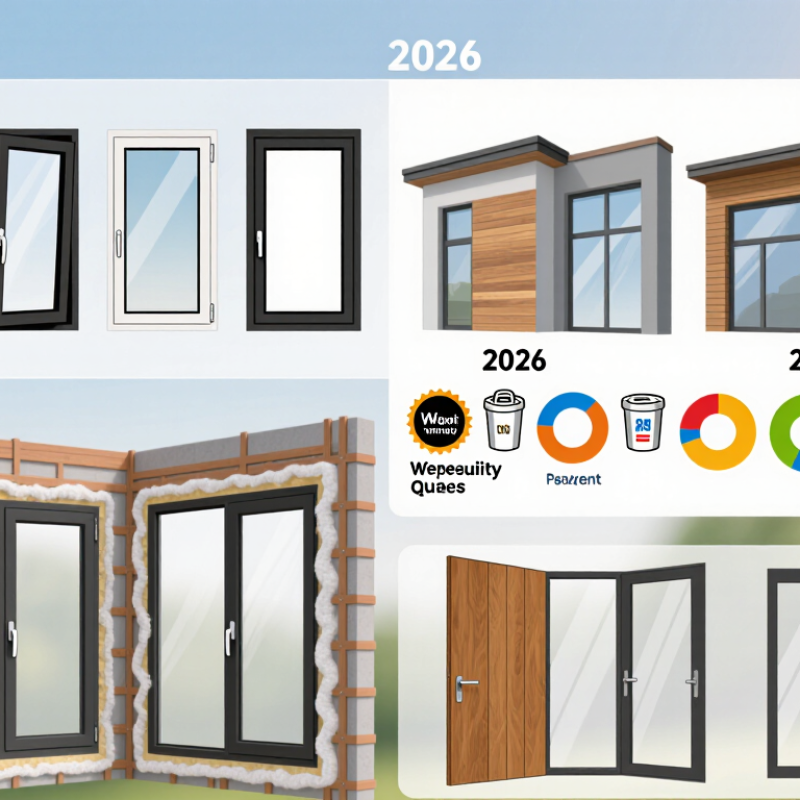
What Are the Top Quality Doors and Windows in 2026?

Defining Quality Standards for Doors and Windows in 2026

In 2026, quality in doors and windows is best judged by measurable performance, not appearance alone. Look for documented test results covering air leakage, water penetration, wind resistance, and thermal performance. The right targets depend on local climate, building design, and applicable codes, so a single rating does not suit every home. Ask for product data, not just a broad “high efficiency” claim.

Materials matter, but construction details matter just as much. Check that frames feel rigid, corners are neatly joined, and weather seals meet evenly when closed. Low-e glass, insulated frames, and appropriate glazing can reduce heat transfer and improve comfort.

Hardware should operate smoothly without forcing. Test it. A secure multipoint lock and durable hinges are practical signs of sound design, though they cannot compensate for poor installation.

Installation is part of the quality standard. Even a well-tested unit may leak or bind if the opening is out of square or flashing is incomplete. Request clear installation guidance and verify that the installer follows it.

Consider repair access, replacement parts, and warranty terms before choosing. No product is perfect; a highly insulated window may cost more upfront, while a cheaper option may need attention sooner. Compare evidence against your needs, and leave room for uncertainty when product claims lack independent testing.

Comparing Door and Window Materials and Construction

Door and window quality depends on more than the visible frame. In 2026, compare the frame, glazing, seals, hardware, and installation as one system. The U.S. Department of Energy’s Energy Saver guidance estimates that heat gain and loss through windows account for about 25–30% of home heating and cooling energy use. That makes glass choice and airtight construction practical priorities, not minor upgrades.

Look for published U-factor and solar heat gain coefficient ratings; the National Fenestration Rating Council provides standardized ratings for comparing products. A low-rated frame cannot compensate for a poor seal. Details matter.

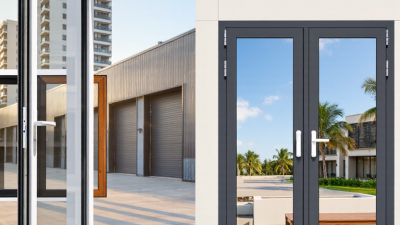
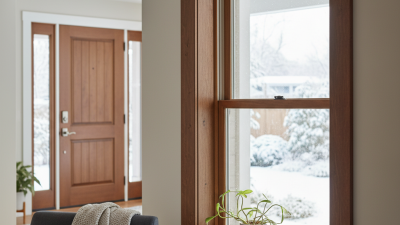
Material choice involves trade-offs. Vinyl frames resist moisture and need little upkeep, but their quality varies with profile design and reinforcement. Aluminum offers strength and slim sightlines, yet conducts heat readily; thermal breaks help limit that transfer. Wood insulates well and can be repaired, though exposed finishes demand care. Fiberglass is dimensionally stable, but availability and cost differ by market.

For exterior doors, inspect the core, edge seals, threshold, and weatherstripping; a heavy slab still leaks if those parts fit poorly. ENERGY STAR’s residential window criteria also vary by climate, reinforcing that one specification does not suit every home. Ask for rated performance, not just material names.

Even strong products can disappoint when installation leaves gaps, and that part is easy to underestimate.

Evaluating Energy Efficiency, Security, and Durability

What Are the Top Quality Doors and Windows in 2026?

Evaluating Energy Efficiency, Security, and Durability

Quality starts with a close fit. A well-sealed frame can reduce drafts and help keep indoor temperatures steadier. Compare published U-factor and solar heat gain coefficient ratings for your climate and window orientation. Look for continuous weatherstripping and insulated frames, not just impressive glass. Small gaps matter. Even efficient products can underperform when installation leaves uneven joints or exposed foam.

Security depends on the whole assembly. Check that locks engage firmly, strike plates are securely fastened, and hinges resist loosening. Laminated glass may make forced entry more difficult, though no glazing makes a home completely secure. Durability also deserves close inspection: ask about finish performance, hardware corrosion resistance, and replacement seals. I’d pay particular attention to corners and lower frame edges, where water can linger. Ratings help, but they do not reveal every weakness in a real home.

Tips: Ask for performance ratings and installation details in writing. Inspect a sample’s seals and locking action. Then check the frame after heavy rain; water marks are easy to miss.

Matching Door and Window Designs to Different Building Needs

What Are the Top Quality Doors and Windows in 2026? Matching Door and Window Designs to Different Building Needs

Choose doors and windows around the building’s exposure, use, and comfort goals—not appearance alone. The U.S. Department of Energy estimates that windows account for 25%–30% of residential heating and cooling energy use. That is substantial. In cold regions, well-insulated frames and low U-factors can reduce heat loss; in sunny climates, suitable solar heat gain ratings help manage glare and cooling demand. ENERGY STAR guidance reports that replacing single-pane windows with certified models can save an average of 12% on household energy bills. Actual savings vary with climate, installation, and existing conditions.

For coastal or storm-exposed buildings, specify assemblies tested for the required wind, water, and impact performance. In busy entrances, prioritize durable hardware, secure locking, and a threshold that limits drafts without obstructing access. Large sliding doors can brighten compact rooms, but they need careful drainage and weather sealing. Details matter. Match glazing to room orientation, too: west-facing glass may need stronger solar control than shaded north-facing openings. Check product performance labels and local building requirements before ordering, then confirm that installers follow the manufacturer’s instructions. A high-performing unit can still disappoint when the opening is poorly measured or flashed. DOE estimates cited from Energy Saver; savings figure from ENERGY STAR residential windows guidance.

What Are the Top Quality Doors and Windows in 2026? - Matching Door and Window Designs to Different Building Needs

Practical design considerations for choosing doors and windows by building use and exposure.
Building Need Door Design to Consider Window Design to Consider Common Material Options Performance Priorities Selection Checks
Cold climates and heated homes Insulated hinged or sliding exterior door with compression weather seals and a well-sealed threshold. Fixed or operable units with insulated frames and double- or triple-pane glazing, as appropriate for the climate. Insulated fiberglass, thermally improved aluminum, wood, or composite frames. Low heat loss, reduced drafts, condensation control, and suitable solar heat gain. Compare whole-unit U-factor and solar heat gain coefficient; check installation details and local energy-code requirements.
Hot, sunny, or cooling-dominated buildings Insulated entry door with a tight perimeter seal; provide a shaded or recessed entrance where practical. Operable windows for planned ventilation, with glazing and external shading selected for the sun exposure. Fiberglass, wood, or thermally improved metal frames; glazing with appropriate solar-control properties. Control unwanted solar gain while maintaining daylight, ventilation, and weather resistance. Consider orientation, overhangs, exterior shading, SHGC, and the effect of tinting on visible light.
Coastal or high-moisture locations Exterior door with corrosion-resistant hardware, durable finishes, and a threshold suited to wind-driven rain. Window units with corrosion-resistant hardware, effective drainage, and durable frame finishes. Fiberglass, suitable vinyl, or properly finished wood; metal components should be selected for the exposure. Moisture management, corrosion resistance, air and water control, and finish durability. Confirm product exposure ratings, flashing and drainage details, maintenance needs, and compatibility with local conditions.
Noise-sensitive rooms or buildings near traffic Solid, well-sealed door with a tight frame and threshold; avoid gaps around the perimeter. Fixed or operable window systems with tight seals; laminated or dissimilar-thickness glazing may help reduce sound transmission. Wood, fiberglass, composite, or other frames with effective seals and adequate stiffness. Air leakage control and verified sound-transmission performance for the complete assembly. Review tested acoustic ratings for the full unit; installation gaps can substantially reduce sound control.
High-traffic residential or commercial entrances Hinged, sliding, or automatic entrance system selected for traffic volume, accessibility, and security requirements. Durable fixed or operable units positioned to provide daylight without interfering with circulation. Materials selected for the expected wear, maintenance schedule, and exposure; reinforced frames may be appropriate. Operational durability, safe clearances, reliable hardware, accessible operation, and secure locking. Check applicable accessibility and life-safety codes, hardware duty ratings, clear opening dimensions, and service access.
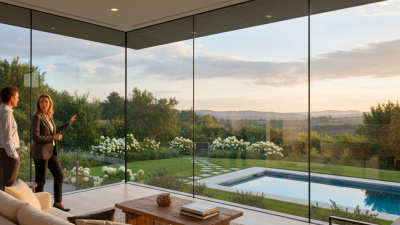
Daylight and views in living spaces Glazed patio or garden door where a clear opening and outdoor connection are needed. Fixed picture windows for unobstructed views, combined with operable units where ventilation is required. Wood, fiberglass, vinyl, aluminum, or composite frames chosen to suit span, finish, and maintenance needs. Daylight, glare management, safe operation, and appropriate thermal performance. Balance glass area with energy performance, privacy, shading, furniture layout, and fall-protection requirements.
Security-conscious ground-floor areas Door with a robust frame, secure locking hardware, reinforced strike areas, and glazing suited to the risk. Fixed units or operable windows with suitable locks and glazing selected for the location and threat assessment. Strong frame systems with compatible, properly installed hardware and glazing. Resistance to forced entry, secure hardware attachment, and safe emergency egress where required. Use tested security performance where available; preserve required escape openings and follow local building codes.
Renovations and replacement projects Replacement door sized and detailed for the existing opening, with attention to sill condition and water management. Replacement units sized for the existing structure, or full-frame units where the opening needs repair. Choose materials compatible with the existing wall, exterior finish, and maintenance plan. Fit, air and water sealing, thermal performance, and protection of the surrounding structure. Inspect for concealed rot or water damage; verify measurements, flashing, installation method, and permit requirements.

Performance depends on the complete door or window assembly, installation quality, climate, orientation, and local code. Compare tested whole-unit ratings rather than judging quality by frame material alone.

Choosing Quality Products for Your Climate and Budget

In 2026, a quality door or window is one that suits your climate, not simply the one with the highest price. In cold regions, low U-factor ratings help limit heat loss; in sunny, hot areas, a lower solar heat gain coefficient can reduce unwanted warmth. Check the National Fenestration Rating Council label for comparable ratings. A U.S. Department of Energy guide estimates that windows account for 25–30% of home heating and cooling energy use. That makes glazing worth attention, especially beside a drafty frame or a cold bedroom wall.

Budget matters, too. Replacing every window at once may not be practical. Start with rooms that feel cold near the glass, or where afternoon sun makes cooling harder. Compare installation quotes, frame condition, warranties, and the cost of sealing or repairing existing units. A well-fitted, modestly priced window can outperform an expensive unit installed poorly. Small details count. Ask how installers will seal the gap around the frame, not just what glass they recommend. I would not treat one rating as a verdict: shading, orientation, and local weather all change performance. And honestly, estimating future savings is imperfect; household habits and energy prices can shift the result.

What Are the Top Quality Doors and Windows in 2026?

Choose products that suit your climate and budget. For windows, compare the U-factor limits in the published ENERGY STAR Version 7.0 criteria below.

How to read this chart: U-factor measures heat transfer; lower values indicate better insulation. These are maximum eligibility limits, not product ratings. The North-Central region also requires a solar heat gain coefficient (SHGC) of at least 0.40; South-Central and Southern regions require an SHGC of 0.23 or less. Northern criteria have no SHGC limit. These are window criteria, not door ratings. Compare certified product labels, installation costs, and local energy needs when balancing performance and budget.

Source: ENERGY STAR, Version 7.0 Residential Windows, Doors, and Skylights criteria.

About Us

Andy’s Glass & Window Company of Temecula Valley has been servicing the glass, window and door needs of Southern California since the 1970′s. Operating from a 10,700sf commercial building in Murrieta, California, a neighboring town of Temecula.

Contractor’s License #821172

Andy’s Glass & Window Company

25751 Jefferson Ave, Murrieta, CA 92562

(951) 677-7421

sale@johnsonwindowtint.com

Store Hours:
Monday - Thursday 8:00 am - 5:00 pm
Friday 8:00 am - 4:30 pm
Closed Saturday & Sunday

Visit Us

Contact Information
Andy's Glass & Window Company