Why Do Glass Doors Break?

Why Do Glass Doors Break?

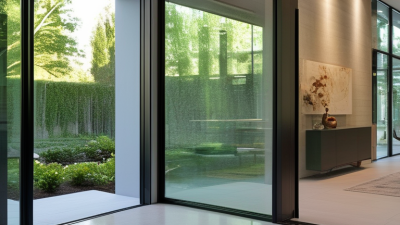
Glass doors appear strong, clear, and carefully finished. Yet glass is rigid, not flexible. When stress exceeds its strength, it can crack or collapse suddenly. A tiny chip along the edge may grow after repeated opening, closing, or vibration. The damage might remain unnoticed for weeks. That is unsettling.

Temperature changes can also create uneven stress. A dark door exposed to direct sunlight may heat faster than its shaded edge. Nearby heaters, cold drafts, or sudden water contact can intensify this difference. Poor installation is another common factor. Excessive pressure from hinges, rollers, clamps, or an uneven frame can weaken the panel. Experienced glaziers often inspect these contact points first. They look for edge bruising, tight fittings, scratches, and signs of movement.

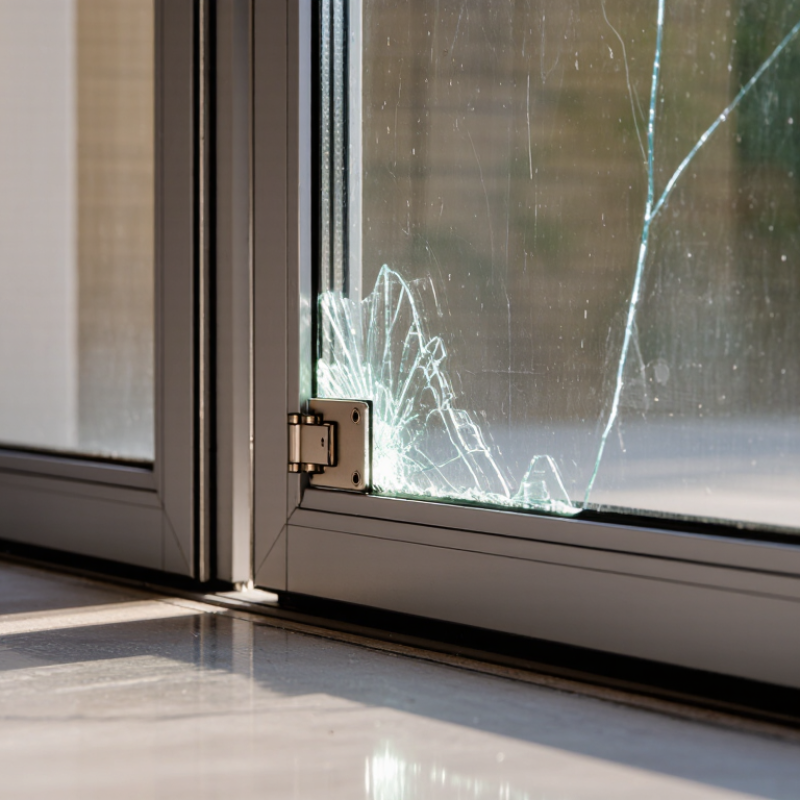
Some tempered glass doors break without an obvious impact. Rare internal impurities can contribute, although this cause is less common than installation damage. In discussions about doors glass systems, broad explanations can become misleading. Each failure needs evidence, not guesswork. A photograph may show the pattern, but it cannot always prove the cause. That limitation matters.

Manufacturers provide suitable glass types, hardware guidance, and maintenance instructions. Follow those instructions carefully. Never ignore a small crack, loose fitting, or rattling panel. Keep people away from damaged glass and ask a qualified professional to assess it. The safest explanation is usually the one supported by visible details, installation records, and careful inspection. Sometimes, the evidence remains incomplete. That is worth admitting.
Why Do Glass Doors Break?

How Glass Doors Are Built: Annealed, Tempered, and Laminated Types

Why Do Glass Doors Break?

How Glass Doors Are Built: Annealed, Tempered, and Laminated Types

Annealed Glass doors do not all fail in the same way. Annealed glass is ordinary cooled glass, and it breaks into sharp, irregular shards. A small edge chip can become a long crack when the door flexes, slams, or meets a hard object. The U.S. Consumer Product Safety Commission has identified architectural glass doors as a recurring source of laceration injuries. The risk rises when hardware, framing, or installation puts pressure on the glass.

Tempered Tempered glass receives controlled heating and rapid cooling. According to a National Glass Association technical bulletin, it is approximately four to five times stronger than annealed glass. When it breaks, it usually collapses into small, blunt-edged particles. Safer, not unbreakable. A damaged corner, drilling error, or severe thermal shock can still trigger sudden failure. The break can sound like a burst of dry ice.

Laminated Laminated glass uses two glass sheets joined by a clear interlayer, commonly a plastic film. Under impact, the glass may crack in a spiderweb pattern while the interlayer holds pieces together. Data from the National Glass Association describes this retention as a key safety advantage in doors and other overhead glazing. However, laminated glass can still lose visibility, strength, or weather resistance after damage. In practice, selecting the right type matters less than combining it with compatible hinges, accurate clearances, and careful edge protection. Small installation details are easy to underestimate.

How Tempering Makes Glass About 4× Stronger—and Still Vulnerable

Why Do Glass Doors Break?

Tempered glass is commonly about four times stronger than ordinary annealed glass. The process heats the pane and rapidly cools its surfaces. This creates a strong compressive layer outside, while tension remains inside. Small impacts must overcome that surface compression before a crack can grow. That is why a properly tempered door can withstand daily knocks, pressure, and temperature changes.

Still, “stronger” does not mean unbreakable. I once assumed the center was the main concern. That explanation is incomplete. Edges and drilled holes are more vulnerable, especially after rough handling or poor fitting. A tiny chip near the floor can spread suddenly. Severe heat differences can also stress the pane, such as sunlight warming one section while an air vent chills another. Rare internal impurities may trigger unexpected failure, even months after installation. When tempered glass breaks, it usually collapses into many small pieces, but those pieces can still cut skin.

Tips

Check edges for chips before installation. Keep metal hardware aligned and gently tightened. Never force a door against its frame. Ask a qualified glazier to inspect unusual cracks, movement, or repeated impacts. Follow local safety standards, and remember that a visual check cannot reveal every internal weakness. My own practical lesson is simple: careful fitting matters nearly as much as the glass itself.

How Edge Chips, Impact, and Frame Stress Initiate Breakage

Why Do Glass Doors Break?

Edge damage is often the quiet beginning. A tiny chip near a door’s corner can concentrate stress in one sharp location. Each opening, closing, or vibration may extend that weakness. The damage may look harmless at first. It is not always harmless.

During site inspections, I have seen small edge marks spread after a hard impact. A dropped tool, a slammed door, or contact with a metal latch can create the first fracture. Tempered glass usually breaks suddenly into small pieces, while laminated glass may crack but remain attached to its interlayer. The glass type changes the visible result. It does not remove the original risk.

Frame stress is another common trigger. A frame installed out of square can press unevenly against the glass. Over-tightened clamps may create constant pressure around one edge. Building movement, temperature changes, and worn hinges can add more force. These details are easy to miss.

I used to focus mainly on the glass surface, but the frame often explained the failure. That assumption needed correction. Inspectors should check clearances, setting blocks, hardware alignment, and edge condition before replacing a broken panel. A door that closes with unusual resistance deserves attention. So does a repeated clicking sound. Small clues matter.

How Thermal Shock Creates Dangerous Temperature Differences

Why Do Glass Doors Break?

How Thermal Shock Creates Dangerous Temperature Differences

Glass doors can fail when one area heats quickly while another stays cool. Sunlight may warm the center, while a shaded frame holds the edges at a lower temperature. A dark film or curtain can intensify this effect.

Soda-lime glass expands by roughly 9 × 10⁻⁶ per °C, according to engineering data referenced in ASTM standards and glass-industry guidance. Across a 900-millimeter pane, a 50°C temperature difference can create about 0.4 millimeters of expansion mismatch. The number looks small. The stress is not.

Industry technical guidance commonly cites approximately 40°C as a cautious thermal-shock limit for annealed glass. Heat-treated glass can tolerate much higher differences, sometimes near 200°C, depending on its treatment and design. These figures are not guarantees.

Edge damage, drill holes, trapped heat, and frame pressure can reduce performance sharply. The National Glass Association and the Glass and Glazing Federation both emphasize edge quality and correct installation in their technical guidance.

Impact-safety rules are different. ANSI Z97.1 and U.S. CPSC 16 CFR 1201 address human impact hazards, not every thermal condition. A door may satisfy impact requirements yet crack after sudden sunlight exposure.

During inspections, technicians often find the real trigger near an edge or fitting. That finding can be uncomfortable. Temperature mapping is frequently skipped. A better check records surface temperatures, shading, ventilation, and frame contact before installation.

How ANSI Z97.1 and 16 CFR 1201 Standards Improve Door Safety

Why Do Glass Doors Break?

Glass doors can break after a hard impact, sudden temperature change, or damage along an edge. A tiny chip near a hinge may remain unnoticed for months. Then, one closing motion can release the glass’s stored stress. Poor fitting, unsuitable thickness, and loose hardware can also increase the risk. In my experience, the visible crack is often only the final event, not the original problem.

ANSI Z97.1 and 16 CFR 1201 establish performance requirements for safety glazing materials. These standards use controlled impact tests to evaluate how glass behaves when struck. Approved glazing should reduce dangerous, sharp fragments after breakage. The tests also consider product classification, marking, and intended use. This matters in doors, sidelights, and areas where people may walk into glass.

Still, compliance does not make a door unbreakable. Installation quality remains critical. A trained professional should check the glass type, dimensions, edge condition, frame support, and nearby hardware. Clear safety markings can improve visibility, especially in bright entrances. Yet markings may fade, and people may still overlook them. That imperfect human factor deserves attention during every inspection. Safety improves when tested materials and careful installation work together.

About Us

Andy’s Glass & Window Company of Temecula Valley has been servicing the glass, window and door needs of Southern California since the 1970′s. Operating from a 10,700sf commercial building in Murrieta, California, a neighboring town of Temecula.

Contractor’s License #821172

Andy’s Glass & Window Company

25751 Jefferson Ave, Murrieta, CA 92562

(951) 677-7421

sale@johnsonwindowtint.com

Store Hours:
Monday - Thursday 8:00 am - 5:00 pm
Friday 8:00 am - 4:30 pm
Closed Saturday & Sunday

Visit Us

Contact Information
Andy's Glass & Window Company