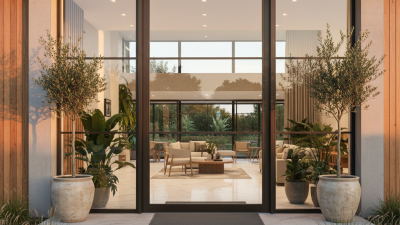
How to Choose the Right Glass Doors?

Choosing the right glass doors starts with more than appearance. A wide sliding panel can brighten a dim kitchen, but its frame, glazing, and fit affect comfort every day. The best choice balances daylight, privacy, insulation, safety, and the way people actually move through the room. There is no single ideal door. A south-facing patio entrance has different needs from a compact bathroom or a busy office.

Energy performance deserves close attention. The U.S. Department of Energy’s Energy Saver guidance estimates that windows account for about 25–30% of residential heating and cooling energy use. That figure applies to windows overall, not glass doors alone, but it shows why glazing choices matter. Compare the door’s U-factor and solar heat gain coefficient, or SHGC, using the National Fenestration Rating Council label. Lower U-factor generally means better insulation; the right SHGC depends on climate, orientation, and shade. Numbers help. So does context.

Think about the details you will notice later: a cold edge beside the frame, fingerprints on clear glass, or a sliding track that collects grit. Tempered or laminated glazing, low-emissivity coatings, and well-sealed frames may suit different homes and uses. Still, specifications cannot predict every lived experience. A highly rated door may disappoint if installed poorly, and a striking design may offer little privacy at night. Measure the opening, inspect the label, and ask a qualified installer how the complete assembly performs—not just the glass. The right glass doors should feel considered, not merely impressive in a showroom.
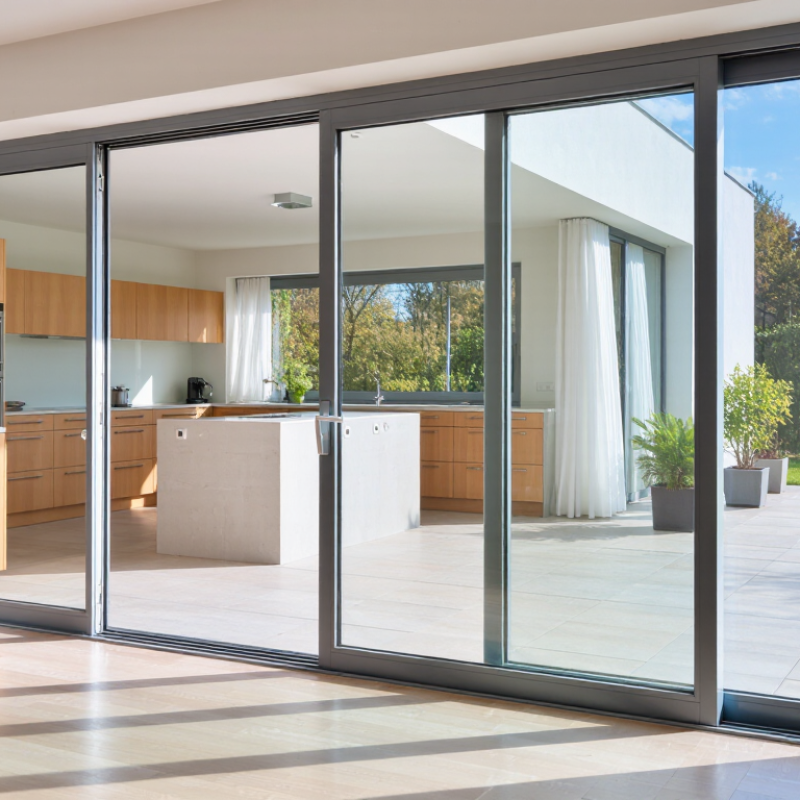
How to Choose the Right Glass Doors?

Identify the Door’s Location and Intended Use

Before comparing glass types or frame finishes, mark where the door will sit and how people will use it. A patio door may face rain, direct afternoon sun, and frequent traffic. A glass door between a bedroom and hallway has different demands: privacy, sound control, and a clear view of approaching people. Location changes everything.

For an exterior opening, check exposure, insulation, drainage, and how often the door will be opened. The U.S. Department of Energy’s Energy Saver guidance estimates that heat gain and heat loss through windows account for about 25%–30% of residential heating and cooling energy use. That figure concerns windows, not glass doors alone, but it shows why glazed openings deserve careful attention. Compare tested U-factor and solar heat gain coefficient ratings for your climate. Also check whether a threshold might collect water.

Small detail. Big annoyance.

For interior doors, think about sightlines and everyday movement. A clear panel can brighten a dim corridor, while frosted glass can soften views into a bathroom or home office. Measure the swing and nearby furniture; a door that clips a chair will frustrate everyone. I still find it easy to focus on appearance and overlook the route people actually take. Note who uses the space, whether privacy matters, and how much cleaning the glass will need.

Compare Glass Types, Thickness, and Safety Standards

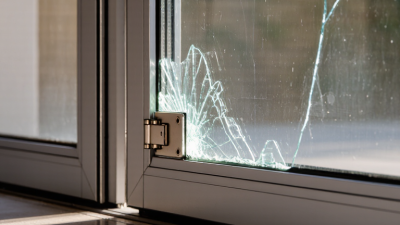
Glass doors can use tempered, laminated, or insulated glass, and each serves a different purpose. Tempered glass is heat-treated for strength and typically breaks into small pieces if damaged. Laminated glass has an interlayer that helps hold fragments together. Insulated glass improves thermal comfort, but it is not automatically safety glass. Check which pane, if any, is safety-rated. I still find this comparison less tidy than product charts suggest.

Tips: Match the glass to the door’s location and use. Ask how its thickness suits the panel size, hardware, and expected impact. A thicker pane is not automatically safer.

Look for clear product markings and documentation showing compliance with safety-glazing requirements where the door will be installed. Requirements vary by location, so confirm them with a qualified installer or local building professional. Also inspect edges and corners; chips can weaken glass, even when the center looks flawless. I used to treat thickness as the main decision, but that misses the bigger picture: glass type, installation, and hardware all affect performance. Ask who will verify the finished door, not just supply the glass.

Choose a Door Style, Frame, and Opening Configuration

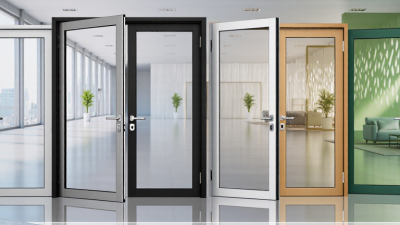
Choose the door style around how you use the room. Sliding panels save swing space and suit narrow patios; hinged doors need a clear arc for handles, furniture, and foot traffic. French-style pairs create a wider opening, but the inactive panel may stay closed most days. Picture the route with a laundry basket in hand. Small detail, big difference.

Frame material affects weight, upkeep, and sightlines. Aluminum allows slim profiles; wood brings warmth but needs regular care; vinyl can reduce maintenance. Check the full assembly, not just the frame. The U.S. Department of Energy’s Energy Saver guidance estimates that heat gain and loss through windows account for about 25–30% of residential heating and cooling energy use. Large glazed doors can matter, so compare whole-unit U-factor and solar heat gain coefficient ratings on National Fenestration Rating Council labels. Lower U-factor means less heat transfer; the best SHGC depends on climate and sun exposure.

Measure the rough opening at several points, since older homes are rarely perfectly square. Confirm the threshold height, drainage path, and space needed for tracks or hinges before ordering. A low threshold feels seamless, but water management still matters. I’ve seen careful style choices stumble over one overlooked measurement. Verify dimensions with the installer, then check that the chosen opening configuration fits daily use—not only the floor plan.

How to Choose the Right Glass Doors? - Choose a Door Style, Frame, and Opening Configuration
Decision Factor Option Works Well For Space and Opening Behavior Things to Consider
Door style Clear glass Spaces where visibility and daylight are priorities Keeps sightlines open and allows light to pass through Fingerprints and water marks are usually more visible than on textured glass.
Door style Frosted or patterned glass Bathrooms, offices, and other areas where added visual privacy is useful Admits light while obscuring clear views, depending on the glass pattern and finish Privacy levels vary; check a sample in the actual lighting conditions.
Door style Tinted glass Interiors where a subtle color or reduced glare is desired Maintains a view through the door but changes the appearance of transmitted light Tint can affect how colors appear on the other side of the glass.
Frame Framed Projects that benefit from a defined perimeter and support around the glass The frame surrounds the glass and can affect the visible opening dimensions Confirm the frame material, finish, and maintenance requirements for the location.
Frame Semi-frameless A balance between a lighter glass appearance and additional support Uses some framing or channels while leaving portions of the glass edge exposed Hardware and support details differ by design; check the system’s installation requirements.
Frame Frameless Minimal visual lines and open-looking interiors Relies on suitable glass, hinges, clamps, or other hardware rather than a full perimeter frame Requires compatible structural support, accurate measurements, and appropriate hardware.
Opening configuration Hinged swing Doorways with enough clear floor area for a swinging panel Opens in one or both directions according to the hinge and door design Check the swing path for nearby walls, fixtures, furniture, and other doors.
Opening configuration Sliding Areas where a swinging door would obstruct circulation Panels travel along a track; the clear opening is generally smaller than the full frame width Allow space for the panels to overlap or stack, and keep the track clean and unobstructed.
Opening configuration Pivot Designs that call for a swing door with a pivot point set away from the side edge Swings around floor and/or overhead pivot hardware, depending on the system Confirm that the floor and overhead structure can support the specified pivot hardware.
Opening configuration Bi-fold Narrow areas where a full swing arc is difficult to accommodate Connected panels fold together as the door opens Check the folded-panel position and required clearance against nearby walls and fixtures.
Safety and fit Safety glazing and accurate measurements All glass-door projects, especially locations where building rules require safety glazing The correct glass type, thickness, hardware, and clearances depend on the door system and installation Check local building requirements and the manufacturer’s specifications; have the opening measured before ordering.

Assess Privacy, Energy Efficiency, and Maintenance Needs

Privacy, energy efficiency, and maintenance should shape your glass-door choice as much as appearance. Clear glass brings daylight into a room, but it can expose indoor spaces after dark when lights are on. Stand outside at dusk and check what is visible through the doorway. Frosted or textured glass softens views while keeping rooms bright, though it may not hide silhouettes completely. Small details matter. Consider whether curtains or blinds will fit without blocking handles or nearby furniture.

For energy performance, compare the door’s glazing and frame, not just the glass description. Double glazing and low-emissivity coatings can help reduce heat transfer, while suitable solar control may limit strong afternoon glare. The right balance depends on your climate and which direction the door faces. Check published performance ratings, and ask how the whole door performs once installed. Poorly fitted seals can let in drafts, even with efficient glazing. Look closely at upkeep, too: sliding tracks collect grit, and exposed seals may need regular inspection. A damp cloth helps with fingerprints, but abrasive cleaners can damage some finishes. It is easy to focus on the glass and overlook the frame. I would still compare cleaning access before deciding.

How to Choose the Right Glass Doors?

Compare energy performance, privacy, and upkeep before choosing a glass door.

Energy efficiency: Lower U-factor means less heat transfer. The values shown are approximate examples; actual performance depends on the complete door, including its frame, spacers, and glazing. Privacy: Frosted or patterned glass obscures views more than clear glass. Maintenance: Choose a finish and glass treatment that suit your cleaning routine, and check seals and hardware periodically.

Check Measurements, Installation Requirements, and Costs

Before comparing glass doors, measure the opening in several places. Record the width at the top, middle, and bottom, plus the height on both sides. Walls and floors are not always level. A difference of even a few millimeters can affect the fit, especially with a sliding door. Note nearby handles, faucets, and cabinets; a door needs room to move without striking them. Keep your measurements. They help installers spot problems early.

Check what the installation requires. Some doors need solid framing or reinforced wall supports, while others rely on floor tracks or specific clearances. Ask whether old hardware removal, delivery, sealing, and cleanup are included in the quoted price. The door itself is only part of the cost. Custom sizing, thicker glass, upgraded hinges, and changes to tile or framing can add noticeably to the bill. Get an itemized estimate and confirm who handles adjustments if the opening is out of square. Small details matter.

I once underestimated the clearance beside a vanity. It was an annoying miss. Measure the space with doors and drawers open, and ask the installer to verify the opening before ordering. If two estimates differ sharply, compare their assumptions, not just the totals. A low price may exclude preparation work; a higher one may include it. Some uncertainty remains until the wall is inspected, so leave room in the budget for surprises.

About Us

Andy’s Glass & Window Company of Temecula Valley has been servicing the glass, window and door needs of Southern California since the 1970′s. Operating from a 10,700sf commercial building in Murrieta, California, a neighboring town of Temecula.

Contractor’s License #821172

Andy’s Glass & Window Company

25751 Jefferson Ave, Murrieta, CA 92562

(951) 677-7421

sale@johnsonwindowtint.com

Store Hours:
Monday - Thursday 8:00 am - 5:00 pm
Friday 8:00 am - 4:30 pm
Closed Saturday & Sunday

Visit Us

Contact Information
Andy's Glass & Window Company