For global buyers, choosing among China’s glass door manufacturers is not just a price comparison. Glass doors must balance clear sightlines, dependable hardware, safe operation, and consistent finishing. A door that looks elegant in a showroom can feel entirely different after months of daily use.
The stakes reach beyond appearance. The 2023 Global Status Report for Buildings and Construction, published by UNEP and the Global Alliance for Buildings and Construction, estimates that buildings and construction accounted for 34% of global energy demand in 2022. That figure covers a broad sector, not glass doors alone, but it highlights why thermal performance and responsible material choices deserve attention. Architect Ludwig Mies van der Rohe’s well-known maxim, “less is more,” offers a useful design lens: clean lines matter, but only when the underlying system works.
This guide introduces ten Chinese manufacturers for international buyers to assess. It considers product range, customization, manufacturing capability, quality documentation, and export experience—factors buyers can verify directly. Still, no list can replace due diligence. Ask for current test reports, hardware specifications, project references, and clear answers about packaging and lead times. Details matter. A low quotation may leave important questions unanswered; even an impressive catalog is not proof of consistent production. Use these profiles as a starting point, then compare suppliers against your project’s opening sizes, climate, traffic, and performance requirements.
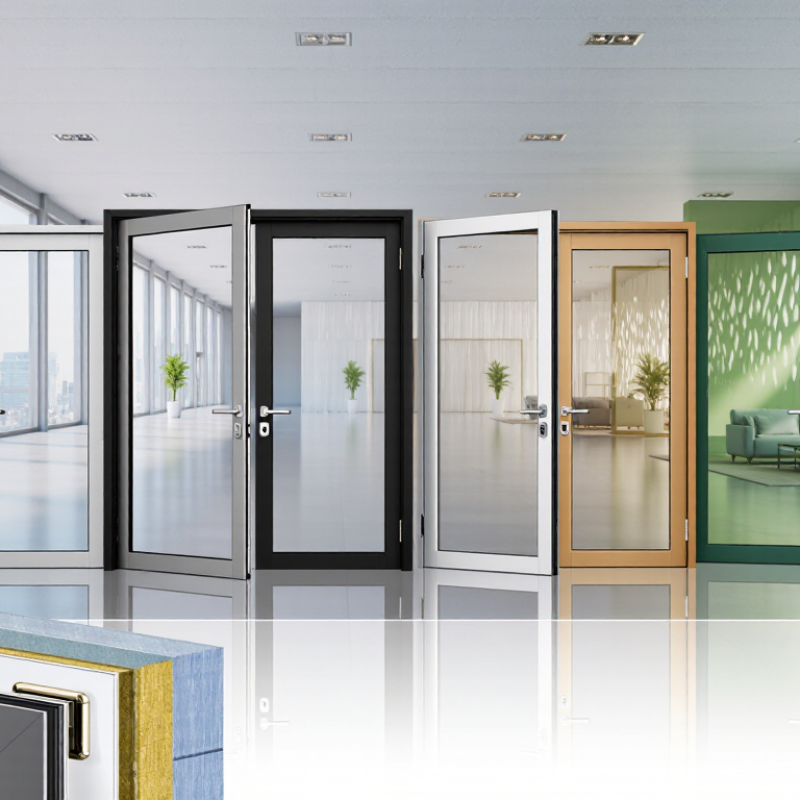
A globally competitive glass door manufacturer must deliver more than clear glass and neat frames. Buyers need consistent dimensions, documented safety performance, and reliable lead times. The United Nations Environment Programme’s 2023 Global Status Report for Buildings and Construction attributes about 37% of global energy-related carbon emissions to buildings and construction. That figure makes thermal performance relevant, even for a door: frame design, glazing choice, and installation details can affect heat transfer and comfort. Small details matter.
Manufacturers should provide test reports, traceable material specifications, and clear guidance for different climates and building types. Standards such as EN 12150 for thermally toughened soda-lime silicate safety glass can help buyers assess product requirements, but a certificate alone does not prove that every finished door performs well. Ask how production tolerances are checked, how packaging protects corners, and what happens when a shipment arrives damaged. Practical answers count.
Communication is part of quality. Accurate drawings, installation instructions, and responsive after-sales support reduce costly misunderstandings across borders. The World Green Building Council has emphasized the importance of addressing emissions across the building life cycle; buyers can therefore ask about durability, repairability, and material transparency. A polished catalog is not enough. I would still want to see how the factory handles a real defect, not just a sample display.
Selecting China’s top 10 glass door manufacturers required more than comparing attractive websites. We examined factory experience, product range, engineering capacity, and export readiness. Manufacturing evidence mattered most. We looked for clear production photos, material specifications, inspection procedures, and practical project records. Years in business were considered, but they were not treated as proof of quality alone.
We also reviewed technical details that global buyers often need. These included tempered or laminated glass options, frame materials, hardware performance, sealing methods, and customization limits. Reliable manufacturers should explain load requirements, opening systems, installation conditions, and maintenance needs. Documentation was another key measure. Product drawings, test reports, quality certificates, and responsive technical communication helped separate experienced suppliers from trading companies.
Buyer protection influenced the selection as well. We assessed sample policies, packaging methods, lead-time control, warranty language, and after-sales support. Factory visits or credible third-party evidence received greater weight than promotional claims. Still, the evaluation was not perfect. Some public information was incomplete, and online reviews could not always be independently verified. We therefore compared several evidence types instead of trusting one source. The final list reflects manufacturers with stronger overall reliability, not an absolute ranking of every supplier in China. Fresh project references should still be requested before purchase.
China’s glass door manufacturers serve residential, commercial, and hospitality projects with different production strengths. A useful profile compares more than catalog images. Look at tempered glass options, frame materials, opening systems, and available finishes. Some factories focus on sliding doors for apartments, while others make hinged entrances for offices or hotels. Details matter. Ask how glass thickness, hardware, and dimensions are specified for each model.
The ten profiles should also show how suppliers handle custom orders, sample approval, packaging, and delivery communication. Request drawings and confirm measurements before production.
A clear profile may describe factory equipment and inspection steps, but claims still need checking. Compare written specifications with samples, especially around edge finishing and track movement. One weakness is easy to miss: attractive product photos reveal little about long-term performance. Buyers should ask about maintenance needs and replacement parts, then assess whether replies are precise and consistent.
China Top 10 Glass Door Manufacturers for Global Buyers: Product Types, Certifications, and Customization Options
Glass doors range from frameless shower panels and sliding patio systems to fire-rated, insulated, and storefront assemblies. The right choice depends on use, climate, and traffic. For example, a busy hotel entrance needs durable hardware and safety glazing; a bathroom panel needs reliable edge finishing and moisture-resistant fittings. The IEA’s 2023 buildings analysis estimates that building operations account for about 30% of global final energy use. That makes insulated glazing and frame performance worth checking, not just appearance. Small details matter.
Ask suppliers for test reports tied to the exact glass build-up and intended market. Tempered glass may be tested to EN 12150, while laminated glass falls under EN 14449; US projects often specify ANSI Z97.1 or CPSC 16 CFR 1201. These are not interchangeable certificates, and a standard alone does not prove every finished door complies. Request traceable reports, production quality records, and clear warranty terms. ISO 9001 can indicate a quality-management system, but it does not certify product safety. Check the scope.
Customization can include glass thickness, clear or tinted finishes, low-iron glass, patterned surfaces, hardware material, opening direction, and bespoke dimensions. Share drawings, installation conditions, and target performance before requesting a quote. One overlooked point: unusual sizes may increase lead time and replacement costs. Ask how dimensions are verified and how packaging protects corners during shipping. I would not assume a polished sample guarantees consistent production.
Product-category overview for global buyers. The rows describe common glass-door types and relevant standards; they do not represent named suppliers, verified company rankings, or certifications held by any particular manufacturer. Confirm product-specific compliance and test documentation with each supplier.
| No. | Glass Door Type | Typical Product Details | Relevant Standards to Check | Common Customization Options | Typical Applications |
|---|---|---|---|---|---|
| 1 | Frameless Shower Door | Usually made with toughened safety glass; hinged or sliding configurations are common. | EN 12150-1; ANSI Z97.1 or CPSC 16 CFR Part 1201 where applicable. | Glass thickness, clear or patterned glass, hardware finish, handle style, panel size, and protective coating. | Bathrooms, hotels, and residential shower enclosures. |
| 2 | Sliding Glass Door | One or more panels move along a track; available for interior and exterior use. | Safety-glazing requirements depend on market and installation; check applicable building codes and test reports. | Track type, panel count, frame material, glass finish, dimensions, and soft-close hardware. | Patios, balconies, closets, and room dividers. |
| 3 | Hinged Glass Door | A side-hinged door may be frameless or installed within a frame. | EN 12150-1 for thermally toughened glass; verify local safety-glazing and door-system requirements. | Opening direction, hinges, frame or frameless construction, glass opacity, and handle or lock options. | Bathrooms, offices, shops, and interior partitions. |
| 4 | Pivot Glass Door | The panel rotates on pivot hardware, which can allow a wider opening than a conventional side hinge. | Check safety-glazing compliance, hardware load ratings, and project-specific building requirements. | Pivot position, panel dimensions, floor spring, glass treatment, and hardware finish. | Commercial entrances and contemporary interior spaces. |
| 5 | Folding Glass Door | Multiple panels fold and stack to create a wide opening; system performance depends on the complete assembly. | Check applicable safety-glazing, structural, air-infiltration, and water-penetration requirements for the project. | Panel count, opening configuration, frame finish, track arrangement, and glazing specification. | Terraces, restaurants, and spaces connecting indoors and outdoors. |
| 6 | Storefront Glass Door | Typically supplied as part of a framed commercial entrance system. | Verify applicable local building, safety-glazing, accessibility, and entrance-system requirements. | Frame finish, door hardware, glazing type, sidelights, transoms, and access-control preparation. | Retail units, offices, and public-facing commercial buildings. |
| 7 | Glass Partition Door | May be hinged or sliding and can be paired with fixed glass partition panels. | EN 12150-1 or applicable local safety-glazing requirements, depending on glass specification and market. | Clear, frosted, tinted, or printed glass; privacy film; frame style; and door hardware. | Offices, meeting rooms, and interior fit-outs. |
| 8 | Fire-Resistant Glazed Door | A tested door assembly uses specified fire-resistant glazing, framing, seals, and hardware. | EN 1634-1 or the relevant jurisdiction’s fire-resistance test and classification requirements; confirm the rating for the complete assembly. | Tested size limits, frame finish, vision-panel dimensions, hardware, and approved glazing configuration. | Buildings requiring fire-rated openings, subject to local code and approved system design. |
| 9 | Acoustic Glazed Door | Sound reduction depends on the glazing, frame, seals, installation, and tested door assembly. | Request test results for the complete assembly, such as measurements made using ISO 10140 methods and rated under ISO 717-1, where applicable. | Laminated or insulating glazing, frame design, perimeter seals, threshold, and finish. | Meeting rooms, studios, healthcare spaces, and offices. |
| 10 | Insulating Glass Exterior Door | An insulated-glass unit combines multiple panes with a sealed cavity; performance depends on the complete door system. | EN 1279 series for insulating glass units where applicable; verify regional energy, safety-glazing, and weather-performance requirements. | Low-emissivity coating, cavity specification, frame material, color, hardware, and glazing configuration. | Residential and commercial exterior openings. |
Global buyers comparing glass door manufacturers should look beyond catalog photos. Ask for drawings that show glass thickness, frame dimensions, opening direction, and hardware locations. Then compare those details against your project specifications. A low quotation may exclude handles, protective packaging, or installation instructions. Check the exclusions before judging the price.
Request samples or clear photographs of finished edges, frame joints, and surface treatments. Confirm the glass type, permitted size tolerances, and available inspection records in writing. Ask how the supplier checks dimensions before packing. For a large order, agree on a pre-shipment inspection plan and define who handles any defects. Small details matter. A door can look right on screen and still miss the site opening by a few millimeters.
Before placing an order, approve a final specification sheet and production sample where practical. Confirm quantity, delivery schedule, packing method, payment milestones, and the process for reporting damage. Keep messages and approved drawings together. I have seen buyers focus heavily on unit price, then discover that replacement parts are difficult to identify. That is worth discussing early. Not every supplier will answer every technical question perfectly, so note gaps and ask for clarification rather than assuming. A clear written record makes comparison fairer and helps both sides catch mistakes before production begins.
Compare suppliers by confirming which glass thicknesses they offer and whether each option meets your project’s safety and performance requirements.
The chart shows commonly available nominal thickness options, not supplier-specific data. Availability and suitability vary by product design, application, and local building codes; confirm specifications directly with each supplier.