How to Choose Glass and Windows for Global Sourcing in 2026?
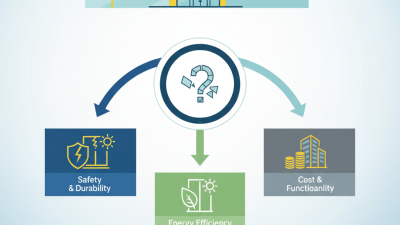
Global sourcing in 2026 demands more than comparing glass prices on a supplier spreadsheet. The right choice depends on climate, building use, energy goals, transport conditions, and verified production capability. For buyers, glass and windows should be assessed as a complete performance system, not as separate products. A low quotation may hide weak seals, inconsistent coatings, or expensive breakage during delivery.
This guide explains how experienced sourcing teams evaluate suppliers, specifications, samples, and technical documents. It considers thermal insulation, solar control, acoustic performance, safety glazing, frame materials, and expected service life. A coastal project may require stronger corrosion resistance. A high-rise building may need carefully tested wind-load performance. Warehouse windows face different risks from residential systems. Small details matter.
Verification is essential. Buyers should request test reports, factory quality procedures, batch records, and clear warranty terms. Independent inspections and sample testing can reveal problems that polished catalogs do not show. Local building requirements and environmental rules also vary, so qualified engineers and compliance specialists should review final selections. Supplier certificates deserve scrutiny.
Not every recommendation will suit every market. That is the difficult part. Even reliable suppliers can produce inconsistent batches or miss delivery targets. A practical sourcing plan should include realistic tolerances, replacement procedures, packaging checks, and contingency suppliers. Cost remains important, but it should be measured against performance, maintenance, risk, and total delivered value. This approach helps global buyers make decisions with stronger evidence, fewer assumptions, and more confidence.

Defining Glass and Window Requirements for Global Sourcing
Choosing glass and windows for global sourcing in 2026 begins with a precise requirement sheet.
Define opening sizes, glass thickness, frame material, color, hardware, and installation method. State tolerances clearly, especially for large panels.
A two-millimeter difference can disrupt an entire installation.
Performance requirements need local context. Record wind pressure, temperature ranges, humidity, noise levels, and solar exposure at the project site.
Specify U-value, solar heat gain, visible light transmission, and acoustic targets. Safety glass may be required near doors, stairs, or public areas.
Ask suppliers for test reports from qualified laboratories, not only technical claims. Verify applicable standards with an independent consultant or local authority.
Procurement details matter just as much.
Confirm minimum order quantities, sample approval, production lead time, export packaging, insurance, and replacement procedures.
Request drawings showing sightlines, drainage paths, seals, and fixing points.
I have seen projects delayed because the glass met its thermal target but could not fit the chosen frame. That mistake was avoidable.
Small samples also mislead; reflective coatings can appear different across a full façade. Review a full-size mock-up when appearance matters.
Keep every revision dated and signed.
Yet specifications are never perfect. Site measurements change, and suppliers may interpret vague terms differently.
Leave room for verified adjustments, without weakening the required performance.
Comparing Glass Types, Window Systems, and Performance Standards
Global sourcing starts with matching glass to the building’s climate, use, and safety needs. Clear float glass is economical, but it offers limited solar and thermal control. Low-emissivity glass reduces heat transfer through invisible coatings. Laminated glass improves safety and acoustic performance because its interlayer holds broken pieces together. Tempered glass offers stronger impact resistance, though it cannot be cut after processing. Insulating glass units combine sealed panes with air or inert gas spaces. Seal quality matters.
Test the assembly.
Window frames also affect results. Thermally broken aluminum systems suit large openings and demanding façades. uPVC systems can provide good insulation with lower thermal conductivity. Timber frames offer warmth and repairability, but moisture control requires careful detailing. Compare complete window systems, not glass alone. Review U-factor, solar heat gain coefficient, visible light transmission, air leakage, water resistance, wind load, and acoustic ratings. These figures should come from accredited laboratory tests, not only supplier brochures.
For global projects, request documentation aligned with recognized ISO, EN, ASTM, or regional standards. Requirements differ between markets, and one certificate rarely proves universal compliance. Check test size, glass configuration, frame material, installation method, and climate assumptions. In practice, a high-performing unit can fail because of poor drainage or inaccurate installation. I have also seen low-cost specifications create unexpected condensation near the frame. That lesson is easy to overlook. Require samples, factory quality records, batch traceability, and independent verification before volume orders. Allow time for retesting when specifications change.
Evaluating Suppliers, Certifications, and Manufacturing Capabilities
When choosing glass and windows for global sourcing in 2026, supplier evaluation should begin with evidence, not attractive presentations. Request production records, recent test reports, and references from comparable projects. A reliable supplier should explain its glass types, maximum panel sizes, thickness tolerances, and expected service life clearly. Visit the factory when possible. Observe cutting tables, tempering lines, insulating-glass assembly, storage conditions, and packaging methods. A clean showroom proves little.
Certifications must match the destination market and product application. Check whether certificates come from competent, independent laboratories, and confirm their validity directly through official databases. Review standards for safety glazing, thermal performance, wind resistance, fire behavior, and acoustic control. Manufacturing capability also matters. Ask about daily capacity, backup equipment, quality-control checkpoints, batch traceability, and corrective-action procedures. Sample approval is useful, but it cannot replace process audits. I have learned that small details, such as spacer alignment or edge protection, can create expensive failures after shipment.
Tips: Compare at least three suppliers using the same technical schedule. Ask for full test conditions, not only pass results. Confirm lead times during peak seasons. Inspect one packed container before approving volume production. Keep written records of every change. Do not accept vague promises. A supplier may have modern machinery but weak management. That risk is easy to miss. Recheck assumptions before signing.
Managing Quality Control, Compliance, and Long-Term Supply Partnerships
How to Choose Glass and Windows for Global Sourcing in 2026?
Quality control should begin before the purchase order. Request verified samples, full specifications, and production records. Check glass thickness, tempering, coating uniformity, spacer alignment, sealant adhesion, and visible defects. For insulating glass units, require testing aligned with EN 1279 or applicable ASTM standards. Ask for batch codes on every crate. Traceability matters when one panel fails months later.
Compliance is not a paperwork exercise. Product requirements differ across markets, including safety glazing, thermal performance, fire resistance, labeling, and chemical declarations. The UNEP Global Status Report for Buildings and Construction 2023 states that buildings consumed about 30% of global final energy in 2022. The report also links building operations to roughly 26% of energy-related emissions. Better window performance can therefore affect both operating costs and project credibility. Confirm declared U-values, solar heat gain, acoustic ratings, and test conditions. Do not compare numbers produced under different methods.
Long-term partnerships need measurable behavior. Review defect rates, corrective-action speed, delivery accuracy, and capacity during peak seasons. The World Bank’s Logistics Performance Index 2023 shows that international supply chains remain vulnerable to delays and coordination gaps. A supplier may look excellent during one audit. Then, production changes. Keep an approved sample, conduct periodic inspections, and audit critical subcontractors. I would not rely on a perfect scorecard. Real factories have occasional mistakes. The important question is whether the supplier reports them early, explains the cause, and prevents repetition.
How to Choose Glass and Windows for Global Sourcing in 2026?
Managing quality control, compliance, and long-term supply partnerships starts with measurable thermal-performance requirements. Lower U-values indicate better insulation and can reduce heat transfer through the glazing.
Typical center-of-glazing U-values shown in W/m²K. Actual performance varies by glass thickness, gas fill, spacer, coating, frame, and test standard. Lower values represent better thermal insulation.