How to Choose Custom Glass Windows in 2026?

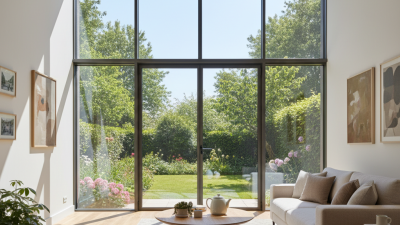
Choosing custom glass windows in 2026 involves more than selecting an attractive frame and clear glass. These windows influence daylight, indoor comfort, energy use, noise levels, and the character of a room. A well-designed window can frame a garden like a picture. A poorly specified one may create glare, drafts, or uncomfortable summer heat.

This guide explains the practical decisions behind a dependable choice. It examines glass types, frame materials, insulation ratings, opening styles, security features, and installation quality. Low-emissivity coatings may improve thermal performance, while laminated glass can reduce noise and add impact resistance. However, every home has different exposure, ventilation needs, and architectural limits. There is no universal best option.

Real projects often reveal overlooked details. A large south-facing window may need solar-control glass. A bathroom window requires privacy without sacrificing useful daylight. Older walls may need careful measurement before manufacturing begins. Local building requirements should also be checked with qualified professionals. Product labels can look impressive, but installation methods and warranty terms matter just as much.

Reliable manufacturers should provide clear specifications, documented testing, experienced installers, and responsive after-sales support. Ask how measurements are verified. Ask who handles damage or adjustment problems. An unusually low quote may exclude essential work. That mistake can become expensive later.

The following sections will help homeowners, designers, and builders compare custom glass windows with greater confidence. Some choices remain subjective. A perfect appearance on a showroom wall may feel different inside your actual room. Careful observation still matters.
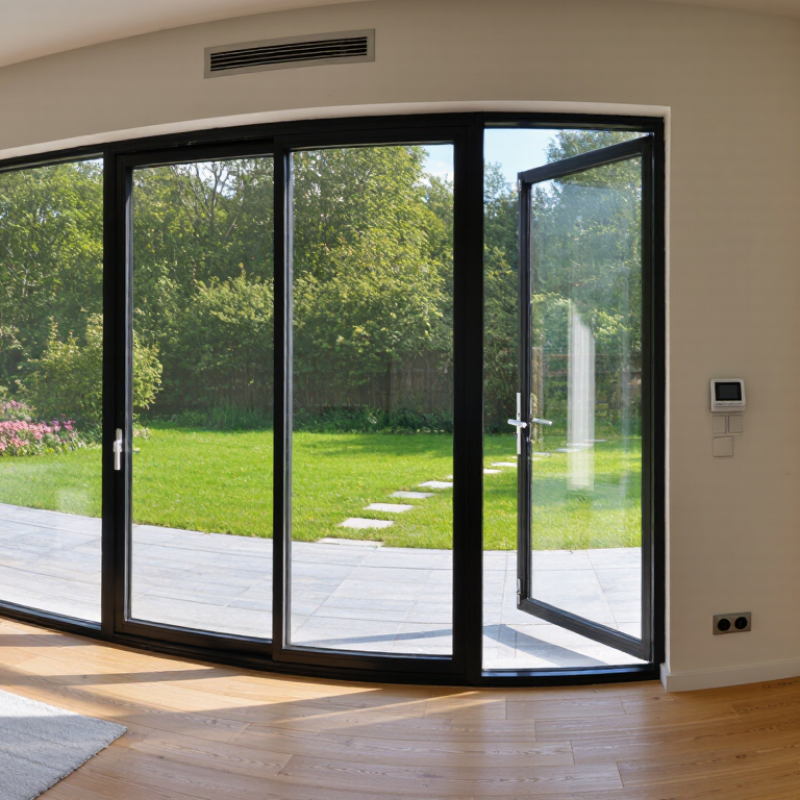
How to Choose Custom Glass Windows in 2026?

Define Energy Targets: U-Factor ≤0.30, SHGC, and Visible Transmittance

Start with measurable energy targets, not appearance alone. For many high-performance projects, specify a U-factor of 0.30 or lower. U-factor measures heat transfer through the window. Lower values usually improve winter comfort and reduce heating demand. However, 0.30 is not a magic number. Climate, wall insulation, and installation quality still matter.

Next, evaluate the Solar Heat Gain Coefficient, or SHGC. A higher SHGC can provide useful winter warmth in cold regions. It may also increase overheating near large south- or west-facing windows. In warmer climates, a lower SHGC often limits unwanted solar heat. Review each elevation separately. One glass package may not suit every room. Visible Transmittance, or VT, controls daylight entering the space. Higher VT can reduce daytime lighting needs, but excessive glare may disturb computer work or sleep.

Ask for certified performance data, not vague claims. Check U-factor, SHGC, and VT for the complete window assembly. Center-of-glass values can look better than whole-window results. Confirm the testing method and compare equivalent sizes. A reliable installer should explain spacer materials, frame insulation, air leakage, and flashing details. Small gaps around the frame can defeat excellent glass. I would also model afternoon sun before ordering. That step is easy to skip, and regrettable. Measure existing glare and indoor temperatures during different seasons. Sometimes the best choice is slightly less glass, not a more expensive specification.

Select the Glass Package: Double or Triple IGUs with Low-E Coatings

How to Choose Custom Glass Windows in 2026?

Selecting a glass package starts with climate, orientation, and room use. Climate changes the answer. The U.S. Department of Energy estimates that windows can cause 25%–30% of residential heating and cooling energy use (Energy Saver, 2024). A west-facing living room may need stronger solar control than a shaded bedroom. I also check frame depth, edge spacers, ventilation, and condensation risk before choosing glass.

A double IGU contains two panes and one insulating cavity. A triple IGU adds another pane and cavity, usually improving insulation and interior comfort. The National Fenestration Rating Council explains that U-factor measures heat transfer, while SHGC measures solar heat entering through the window. Lower U-factor helps in cold climates. Lower SHGC can reduce summer overheating. Low-E coatings reflect selected infrared energy without making the glass visibly dark. Subtle performance matters.

The International Energy Agency reports that buildings consume about 30% of global final energy, making envelope decisions increasingly important (Buildings 2023). For a cold, windy site, triple IGUs with a suitable Low-E coating can reduce cold glass surfaces near a sofa or desk. In a mild, sunny climate, high-performance double IGUs may provide better value and lower weight. Triple is not automatically better. It can increase cost, sash weight, and installation demands. I once treated maximum insulation as the safest choice; that was too simple. Poor installation can erase part of the rated benefit. Always compare whole-window ratings, not center-glass numbers alone.

How to Choose Custom Glass Windows in 2026?

Select the Glass Package: Double or Triple IGUs with Low-E Coatings

Representative values show the typical performance difference between residential double- and triple-pane insulating glass units with Low-E coatings. A lower U-factor generally means better insulation, while SHGC and visible transmittance should be selected according to climate, orientation, daylight needs, and solar-control requirements. Actual NFRC-rated values vary by glass composition, gas fill, spacer, frame, and window size.

Set Safety Requirements: Tempered or Laminated Glass to ASTM Standards

When choosing custom glass windows in 2026, set safety requirements before comparing appearance or price. Tempered glass is heat-treated for greater strength and breaks into small, relatively blunt pieces. It suits doors, bathrooms, sidelights, and other areas where impact is possible. Ask the fabricator to identify compliance with ASTM C1048 and the applicable safety-glazing impact standard.

Laminated glass uses two glass layers joined by an interlayer. If broken, the pieces usually remain attached instead of falling across the floor. This makes it useful near entrances, low-level windows, overhead glazing, and locations needing better security or sound control. Request documentation referencing ASTM C1172, along with the interlayer type and glass thickness. Ask for proof.

A responsible supplier should provide permanent safety markings, test reports, and clear fabrication details. Confirm whether the complete window assembly, not only the glass sheet, meets local building requirements. Frames, anchors, drainage, and installation quality can change real-world performance.

Glass is unforgiving. I have seen attractive custom units fail because installers ignored edge damage or selected the wrong thickness. That mistake is easy to underestimate. Tempered glass cannot be cut after treatment, while laminated glass may require special fabrication equipment. Review dimensions carefully before production. Also check heat, wind, human-impact, and emergency-egress conditions with a qualified professional. Standards guide the decision, but the surrounding construction still deserves careful judgment.

Compare Acoustic Performance: Use STC Ratings from 26 to 50+

How to Choose Custom Glass Windows in 2026?

STC ratings help compare how well windows reduce airborne noise. A rating near 26 offers limited separation from traffic, voices, and outdoor activity. Around STC 35, ordinary conversation becomes less distinct indoors. Ratings from 45 to 50+ provide stronger privacy and improved comfort near busy roads. Sound travels sideways. Wall construction, frames, seals, and installation also affect results. A high-rated window cannot compensate for gaps around the frame.

When reviewing custom glass windows, ask for the complete tested assembly, not glass-only figures. STC results commonly follow laboratory methods such as ASTM E90 and E413. Laminated acoustic glass, wider air spaces, and tightly sealed frames can improve performance. However, thicker glass does not automatically solve every frequency problem. Low-frequency engines may remain audible, even with an impressive rating. That detail is often overlooked.

A practical site review should include traffic patterns, room use, and existing wall materials. A bedroom facing a bus route may justify STC 45 or higher. A quiet home office might perform well around STC 35 to 40. I once saw a strong window specification weakened by a small perimeter gap. The product was not the only problem. Request laboratory documents, installation details, and frequency data before choosing. Real rooms are imperfect, and ratings should be treated as guidance rather than a guarantee.

Verify Frames and Installation: NFRC Labels, Air Leakage, and Warranties

Choosing custom glass windows in 2026 requires more than comparing appearance and price. Ask for the NFRC label before approving the order. It should show verified U-factor, Solar Heat Gain Coefficient, visible transmittance, and air leakage performance. These numbers help you compare products under consistent testing conditions. A polished sample can still hide weak thermal results.

Air leakage deserves close attention. Lower leakage ratings generally indicate better resistance to drafts, but installation can weaken that advantage. During a site visit, inspect uneven openings, damaged sealants, and gaps around the frame. Request written details about flashing, shims, insulation, and exterior sealing. I once focused too heavily on the glass package and overlooked a poorly prepared opening. That mistake caused a noticeable cold spot near the sill. Small details matter.

Read the warranty before paying a deposit. Check coverage periods for glass, frames, hardware, coatings, and labor. Confirm who handles service if the installer and manufacturer are different companies. Ask whether improper maintenance, coastal exposure, or installation changes affect coverage. Keep the NFRC label, contract, photographs, and inspection notes together. They may become important later. Warranty language can sound reassuring while leaving labor costs unclear, so ask for examples in writing. A careful review may feel slow, but replacing a custom window is rarely simple.

About Us

Andy’s Glass & Window Company of Temecula Valley has been servicing the glass, window and door needs of Southern California since the 1970′s. Operating from a 10,700sf commercial building in Murrieta, California, a neighboring town of Temecula.

Contractor’s License #821172

Andy’s Glass & Window Company

25751 Jefferson Ave, Murrieta, CA 92562

(951) 677-7421

sale@johnsonwindowtint.com

Store Hours:
Monday - Thursday 8:00 am - 5:00 pm
Friday 8:00 am - 4:30 pm
Closed Saturday & Sunday

Visit Us

Contact Information
Andy's Glass & Window Company