What Are the 7 Best Glass Windows for Home?
Choosing the best glass windows for home is not simply a style decision. It affects daylight, comfort, energy use, noise, ventilation, and long-term maintenance. A wide picture window may brighten a dark living room, while a casement window can catch a cool evening breeze. The right choice depends on your climate, wall direction, budget, and daily habits.
Building-science expert Joseph Lstiburek puts the issue plainly: “Windows are holes in walls.” His statement sounds simple, but it carries practical weight. Glass windows for home must resist heat transfer, air leakage, water intrusion, and unwanted glare. Look for reliable performance ratings, including U-factor, solar heat gain coefficient, visible transmittance, and air leakage. Installation matters just as much. Even an efficient window can disappoint when flashing, sealing, or drainage is handled poorly.
This guide examines seven strong window options, including casement, double-hung, awning, sliding, picture, bay, and fixed designs. Each offers a different balance of ventilation, appearance, security, and performance. Some are excellent for airflow. Others are better for expansive views or quiet rooms. There is no universal winner. Honestly, I would be cautious of any article promising one perfect window for every home. A beautiful frame may still create glare. A low-cost unit may become expensive after years of drafts and repairs. The best decision is practical, measured, and matched to the room.
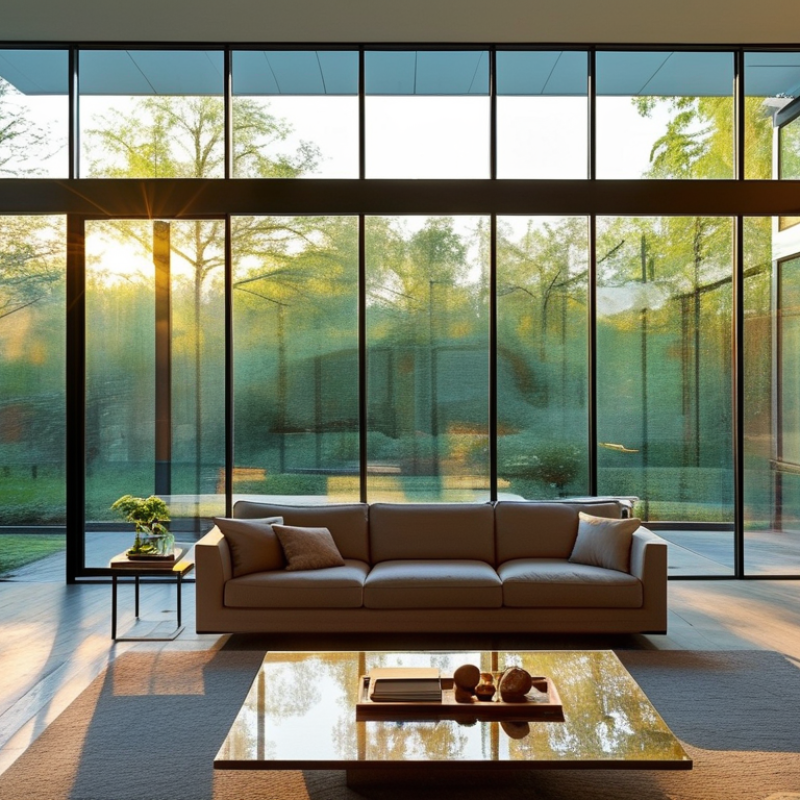
What Makes a Glass Window Ideal for a Home?
An ideal glass window balances insulation, daylight, ventilation, and safety. The U.S. Department of Energy reports that windows can cause about 25% of household heating and cooling energy loss. Therefore, glass selection affects comfort and utility costs.
Double-glazed glass usually performs better than single glazing. Low-emissivity coatings reduce radiant heat transfer, while argon-filled spaces improve insulation. The right U-factor depends on climate. A lower U-factor generally means better insulation. Solar heat gain coefficient also matters, especially in rooms facing south or west. The National Fenestration Rating Council recommends comparing these ratings, not judging glass by appearance alone. I have seen attractive windows perform poorly when installation gaps were ignored. The frame and seal are important too.
Tips: Choose lower SHGC glass for hot, sunny rooms. Use higher SHGC where winter sunlight is useful. Ask for certified U-factor and air-leakage data. Laminated or tempered glass adds safety near doors, stairs, and children’s areas. Triple glazing may help in cold climates, but it can add weight and cost. It is not automatically the best choice. A careful site assessment should consider orientation, shading, humidity, noise, and local weather. Even expert recommendations can miss daily living habits, such as blinds staying closed all afternoon.
How Double- and Triple-Glazed Windows Improve Energy Efficiency
What Are the 7 Best Glass Windows for Home?
Double- and triple-glazed windows can make a room feel noticeably steadier. On a winter morning, the inner glass stays warmer, reducing cold drafts near the sofa. The U.S. Department of Energy reports that windows can cause 25–30% of residential heating and cooling energy use. Double glazing uses two glass panes with an insulating air or gas space. Triple glazing adds another pane and cavity, improving insulation further. The Efficient Windows Collaborative reports that high-performance triple glazing can reach U-factors near 0.15–0.25, depending on the frame and design.
Glass is only part of the system. Low-emissivity coatings can reflect indoor heat back into the room. Solar heat gain coefficient also matters, especially on sunny south-facing windows. A lower value can reduce summer overheating, but it may reduce useful winter warmth. Triple glazing is not automatically the best choice. It can cost more, weigh more, and provide limited benefit in mild climates. I have seen poorly installed units underperform despite excellent glass. Installation quality deserves equal attention.
Tips: Compare U-factor and solar heat gain coefficient, not marketing claims. Check the frame, spacers, seals, and drainage paths. Use the National Fenestration Rating Council’s independent ratings where available. Watch the glass at sunrise. Persistent condensation may reveal indoor humidity or a sealing problem.#+#+#+#+
Why Low-E Glass Windows Balance Light, Comfort, and UV Protection
Among the seven best glass windows for homes, Low-E glass offers a practical balance of daylight, indoor comfort, and UV protection. Its microscopically thin coating reflects heat while allowing visible light to enter. During summer, it can reduce unwanted solar heat near bright windows. In winter, it helps retain warmth beside cold glass. That balance matters.
A sun-facing living room makes the difference easy to notice. Furniture stays more comfortable, and glare may soften across a wooden floor. Low-E glass can also filter much of the ultraviolet radiation linked to fading fabrics, artwork, and flooring. However, it cannot stop fading completely. Interior curtains, shades, and careful furniture placement still matter. My own recommendation would depend on orientation, climate, and window size, not appearance alone.
Tips: Ask for the glass’s U-factor and solar heat gain coefficient. Lower U-factor usually indicates better insulation, while the ideal solar gain depends on your climate. Check whether the coating suits your daylight needs; overly reflective glass can make a room feel dim or gray. Confirm installation quality, because gaps around the frame can undermine excellent glass. A qualified window professional should review condensation risks and local weather conditions. Measurements can be imperfect, and even a well-chosen pane may perform poorly if the frame or seal fails.
How to Select the Best Glass Window for Each Room and Climate
What Are the 7 Best Glass Windows for Home?
Choosing the best glass window depends more on the room and climate than appearance. The seven practical options are double-glazed, triple-glazed, low-emissivity, laminated, tempered, tinted, and vacuum-insulated glass.
Double glazing suits moderate climates and bedrooms. Triple glazing performs better in cold regions, especially beside exposed exterior walls. It can feel heavy and may reduce daylight slightly.
Low-emissivity glass helps retain indoor heat during winter and limit solar gain during summer.
The U.S. Department of Energy reports that windows can cause 25–30% of residential heating and cooling energy use.
In hot, sunny rooms, select low-emissivity glass with a lower solar heat gain coefficient. The National Fenestration Rating Council explains that lower U-factors indicate better insulation. Check both values, not just the advertised glass type.
Tempered glass is a strong choice for bathrooms, kitchens, and doors because it breaks into smaller pieces.
Laminated glass adds sound reduction and holds together after impact, making it useful near streets or children’s rooms.
Tinted glass can reduce glare, but it may make a living room feel dim. Vacuum-insulated glass offers strong insulation with a thinner profile, though availability and installation quality require careful review.
The International Energy Agency emphasizes that efficient windows support lower building energy demand, but poor frames can undermine excellent glass.
A perfect window does not exist. Shade, orientation, ventilation, and local humidity still matter. In practice, I would measure the room’s morning and afternoon sun before choosing.