China Top 10 Glass Windows for Home Suppliers?

Choosing glass windows for home projects involves more than comparing photographs or quoted prices. Frame material, glass thickness, opening style, insulation, and installation details all affect comfort and long-term performance. A bright living room with wide windows may need different specifications from a small bathroom or a noisy street-facing bedroom.

This guide introduces ten Chinese suppliers for buyers who want a practical starting point. It considers factors such as product range, customization, manufacturing information, communication, and export support. These are useful comparison points, not a guarantee that any supplier will suit every project. Ask for current product specifications, sample details, warranty terms, and clear quotations before making a decision. Small details matter.

For example, confirm whether a quoted price includes hardware, packaging, and delivery, and check that measurements match the project drawings. Glass options and performance claims can vary, so request documentation and have requirements reviewed by a qualified local professional. A polished catalog is helpful, but it cannot replace a careful technical conversation. Supplier rankings also deserve a second look; an impressive list may not reflect your climate, budget, or installation needs. The right choice often comes from asking specific questions, comparing written answers, and checking references where available.
China Top 10 Glass Windows for Home Suppliers?

Understanding China’s Residential Glass Window Supplier Market

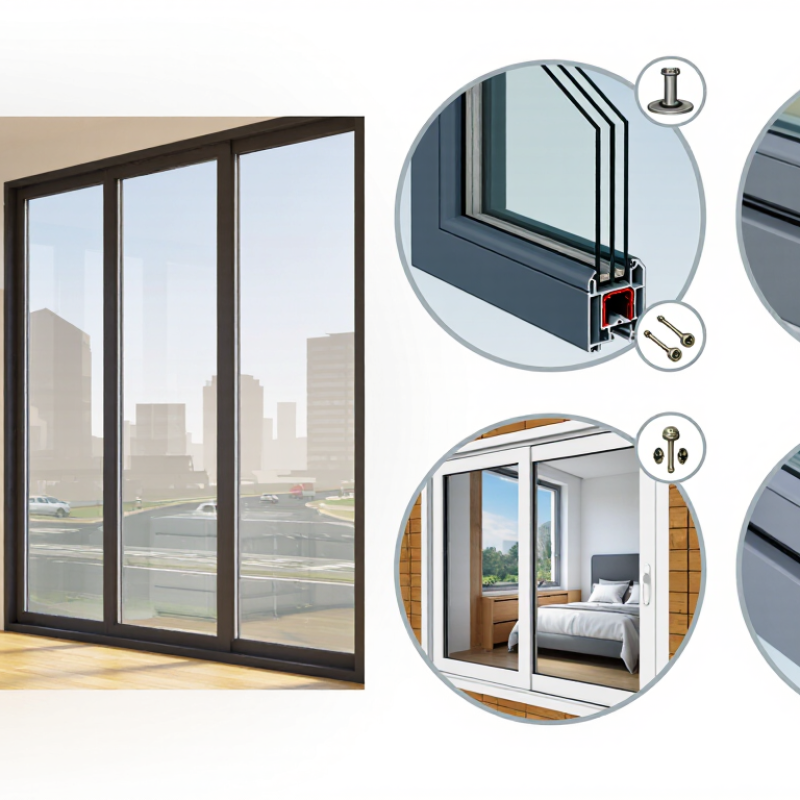
China’s residential glass window market serves projects with very different needs, from compact city apartments to detached homes in colder regions. Suppliers may offer sliding, casement, and tilt-and-turn designs, but a familiar product name does not guarantee the same performance. Buyers should compare frame materials, glass thickness, spacer type, seals, and hardware as a complete system. Small details matter.

Clear specifications make supplier conversations more useful. Ask for performance data for the exact window configuration, not just a general product sheet. Check whether reports describe air leakage, water resistance, and thermal performance, and confirm that the tested size resembles the intended installation. Shipping dimensions, packaging, and replacement-part availability also deserve attention. These details are easy to underestimate.

Price and lead time can vary with customization, order volume, and project location. A low quotation may exclude screens, installation accessories, or special glass, so compare itemized offers carefully. Request samples and review finish quality, corner joints, locking action, and drainage paths. I would not assume every supplier handles export projects equally well; communication and document control need checking, too. The process is rarely perfect. A written checklist helps buyers spot gaps before production begins.
Key Criteria for Evaluating Home Window Suppliers

Choosing a home window supplier starts with verified performance, not showroom appearance. The U.S. Department of Energy reports that heat gain and heat loss through windows account for about 25–30% of residential heating and cooling energy use. Ask suppliers for tested U-factor and solar heat gain coefficient (SHGC) ratings. The National Fenestration Rating Council explains these metrics on product labels, making comparisons more reliable. Lower U-factor generally means better insulation, but the right SHGC depends on climate, orientation, and shading.

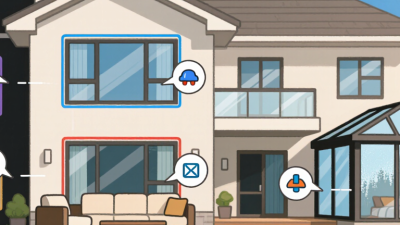
Check whether quotes specify frame material, glazing layers, low-emissivity coatings, hardware, and installation details. A technically strong window can still underperform if gaps remain around the frame. Request written product specifications, warranty terms, delivery timelines, and references for similar homes. Ask how the supplier handles measurement errors or damaged units. Small details matter. A polished sample is not proof of consistent quality, and no checklist is perfect.

Tips: Compare like with like: match window dimensions, glass configuration, and rating units across quotes. Ask for recent test documentation and a sample installation detail. If a claim sounds unusually impressive, request evidence before paying a deposit.

China Home Window Suppliers: A Key Performance Check

Compare glazing options using U-factor: a lower value indicates less heat transfer through the glass.

These are rounded, typical center-of-glass reference values, not ratings for a complete window or any specific supplier. When evaluating suppliers, request certified whole-window performance data; frame, spacers, coatings, and installation can affect results.

Ten Leading Glass Window Suppliers in China

China’s glass-window industry includes suppliers with very different strengths, so “leading” should mean more than large production volume. A practical comparison can cover ten profiles: aluminum sliding, casement, thermal-break aluminum, uPVC, and wood-aluminum composite windows; insulated-glass, laminated-glass, and acoustic-window specialists; custom-shaped window makers; and manufacturers experienced in coordinating large building projects. These are useful categories, not a verified ranking of individual companies.

Ask each shortlisted supplier for drawings, material specifications, and test documentation relevant to the project. Inspect a sample corner joint closely. Check whether seals sit evenly, drainage slots are clear, and frame finishes look consistent under natural light. For double-glazed units, confirm the stated glass build-up and spacer details match the quotation. Small differences matter. A polished catalogue alone proves little.

Shipping and installation planning deserve equal attention. Request protective packaging details, lead times, and a written process for handling damaged units. Compare the same opening sizes and glass specifications across quotations; otherwise, low prices may not be comparable. I would not treat any shortlist as final without checking recent samples and references. Supplier claims can be clear, yet project performance still depends on measurement and installation. There is room for error. A careful buyer should leave time to verify both.

Products, Materials, and Customization Options

China Top 10 Glass Windows for Home Suppliers?

Home window choices start with the glass build, not a glossy catalog image. Double glazing suits many everyday rooms; triple glazing can help in colder climates, though it adds weight and cost. Low-emissivity coatings reduce heat transfer, while argon-filled cavities can improve insulation. Tempered or laminated glass may be appropriate where impact resistance or safety is a concern. Small details matter. Ask suppliers for tested U-factor and solar heat gain coefficient values, not vague claims such as “energy saving.” The U.S. Department of Energy’s Energy Saver guidance estimates that windows account for about 25–30% of residential heating and cooling energy use. That makes performance more than a style choice.

Customization should cover precise opening dimensions, frame materials, grille patterns, tint, opening direction, and privacy needs. A south-facing room may benefit from different solar control than a shaded bedroom. For comparison, check whether product ratings use recognized National Fenestration Rating Council procedures; its labels report U-factor and solar heat gain coefficient. Request drawings, glass build-up details, warranty terms, and sample corners before approving a large order. A sample can reveal reflections and color shifts. I still see buyers focus too much on frame color and too little on installation tolerances. That is easy to miss. A well-rated window can perform poorly if the opening is measured inaccurately or the seal is rushed.

China Top 10 Glass Windows for Home Suppliers? - Products, Materials, and Customization Options

A practical comparison of ten commonly sourced residential window types and configurations. This is a product guide, not a ranking of companies; specifications and availability vary by project and supplier.

No. Window Product Type Common Frame Materials Typical Glass Configuration Customization Options Common Home Applications What to Confirm When Sourcing
1 Double-Glazed Window Aluminum, thermally broken aluminum, uPVC, or timber Two panes separated by a sealed insulating-glass-unit cavity; cavity width and pane thickness are project-specific. Clear or tinted glass, decorative grids, cavity spacer color, gas fill where available, and frame finish. Bedrooms, living rooms, and general-purpose exterior openings. Ask for the complete glass build-up, cavity width, spacer type, seal details, and tested whole-window performance.
2 Triple-Glazed Window Thermally broken aluminum, uPVC, or timber-aluminum composite Three panes with two sealed cavities; the thicker unit requires a frame and hardware designed for its weight. Pane thickness, cavity dimensions, low-emissivity coatings, gas fill, and frame color. Homes prioritizing reduced heat transfer or improved indoor comfort, subject to climate and design needs. Check sash load limits, overall unit thickness, condensation details, and whole-window test data.
3 Low-E Insulating Glass Window Aluminum, thermally broken aluminum, uPVC, or timber Insulating glass incorporating a low-emissivity coating on a specified glass surface. Coating type and surface, single or double glazing, tint, cavity fill, and solar-control selection. Exterior windows where heat gain, heat loss, or daylight levels need to be considered together. Request coating position and declared light-transmission, solar-factor, and thermal-performance values for the proposed build-up.
4 Tempered-Glass Window Aluminum, thermally broken aluminum, or uPVC Heat-treated safety glass, used as a single pane or as part of an insulating glass unit when specified. Clear, tinted, patterned, or coated glass; pane thickness and edge finish depend on the design. Locations where safety glazing is required or specified, including some doors and low-level glazing. Confirm local safety-glazing requirements, permanent safety markings, dimensions, and whether other panes also need safety glass.
5 Laminated-Glass Window Aluminum, thermally broken aluminum, uPVC, or timber Two or more glass plies bonded with an interlayer; it can also be incorporated into an insulating glass unit. Interlayer type and thickness, glass tint, acoustic build-up, and combination with low-E coatings. Applications requiring retained glass fragments, added security, or specified sound-control features. Specify the full glass make-up and interlayer; request relevant safety, security, or acoustic test documentation as needed.
6 Acoustic Glazing Window uPVC, thermally broken aluminum, or timber-aluminum composite Often uses panes of different thicknesses, laminated glass, and/or an insulating-glass cavity; results depend on the full assembly. Pane asymmetry, acoustic interlayer, cavity width, frame type, and opening style. Homes near roads, rail lines, or other noise sources, when supported by project-specific acoustic assessment. Ask for tested sound-reduction ratings for the complete window, not glass alone, and confirm installation and sealing requirements.
7 Thermally Broken Aluminum Window Aluminum frame with a thermal break between interior and exterior sections Single, double, or triple glazing, depending on frame system and project requirements. Frame profile, finish, opening method, hardware, glazing build-up, and drainage details. Modern homes, larger openings, and designs requiring a slim metal-frame appearance. Confirm the frame-system specifications, thermal-break details, hardware capacity, air and water test results, and glass limits.
8 uPVC Casement or Tilt-and-Turn Window Multi-chamber uPVC profiles, sometimes with internal reinforcement Commonly double glazing; laminated, tempered, or low-E glass may be specified where suitable. Profile color, opening direction, hardware, glazing, screens, and grid design. Bedrooms, kitchens, and other rooms where outward opening or tilt ventilation is appropriate. Check profile and reinforcement details, drainage, hardware rating, glazing compatibility, and local wind-load requirements.
9 Sliding Glass Window Aluminum, thermally broken aluminum, or uPVC Single or insulating glazing, selected to suit the sliding system and required performance. Panel count, track configuration, screen, glass type, frame finish, and opening direction. Patios, balconies, and openings where a swinging sash would take up space. Confirm panel size and weight limits, roller and track specifications, drainage, locking points, and weather-test data.
10 Fixed Picture Window Aluminum, thermally broken aluminum, uPVC, or timber Single, double, or triple glazing; safety glass may be required depending on location and applicable codes. Shape, size, frame finish, low-E coating, tint, laminated or tempered glass, and matching operable sections. Living areas, stairwells, and other locations where daylight or a view is desired without an opening sash. Verify glass thickness and support requirements, safety-glazing rules, drainage details, and site measurement tolerances.

Note: These are commonly available product categories and configuration examples, not guaranteed specifications. Request project-specific drawings, applicable certifications, and test reports for the complete window assembly before ordering.

How to Verify Suppliers and Plan a Purchase

When comparing Chinese home-window suppliers, verify the product, not just the factory’s sales profile. Request current test reports matching the exact frame, glass build-up, spacer, and opening size you plan to order. A report for another configuration is weak evidence. Check the issuing laboratory, test date, sample identification, and accreditation independently. The U.S. Department of Energy’s Energy Saver guidance, “Update or Replace Windows,” estimates that windows account for about 25–30% of residential heating and cooling energy use. Check U-factor and solar heat gain coefficient against your climate and room orientation. Lower figures are not automatically better for every home.

Before paying a deposit, request a signed drawing, bill of materials, finish sample, warranty terms, and written tolerances. Ask how each unit is inspected. Request dated photos of corner joints, seals, and glass labels from a recent batch. A video call helps, but it is not an audit. Where practical, arrange an independent pre-shipment inspection and compare random units with the approved sample. I would not rely on a glossy showroom. It can mislead. Plan delivery around crate dimensions, unloading equipment, breakage allowances, and spare hardware. Record these details in the purchase contract, with payment milestones and remedies for damaged or nonconforming goods. Leave time for one sample revision; rushed approval is an easy point to overlook.

About Us

Andy’s Glass & Window Company of Temecula Valley has been servicing the glass, window and door needs of Southern California since the 1970′s. Operating from a 10,700sf commercial building in Murrieta, California, a neighboring town of Temecula.

Contractor’s License #821172

Andy’s Glass & Window Company

25751 Jefferson Ave, Murrieta, CA 92562

(951) 677-7421

sale@johnsonwindowtint.com

Store Hours:
Monday - Thursday 8:00 am - 5:00 pm
Friday 8:00 am - 4:30 pm
Closed Saturday & Sunday

Visit Us

Contact Information
Andy's Glass & Window Company