Why Choose Quality Glass and Windows?

Choosing quality glass and windows can improve comfort, daylight, and the feel of a room. A clear view is only part of the story. Glass type, frame material, seals, and installation all affect how a window performs.

On a cold morning, a well-fitted window may feel less drafty near the sill. In a sunny room, suitable glazing can help manage heat and glare. Results depend on the climate, building design, and product specifications, so compare performance ratings rather than relying on appearance alone. Small details matter.

Quality also shows in the frame corners, smooth hardware, and even seal lines. Ask what the glass is designed to do, how the unit will be installed, and what the warranty covers. An experienced installer should explain trade-offs in plain language and check measurements carefully. Even a strong product can disappoint if it is poorly fitted.

Still, good glass is not magic. It cannot fix every insulation problem or make every room comfortable by itself. That is worth remembering. A practical choice balances budget, maintenance, safety needs, and the conditions of the building. With clear product information and careful installation, quality glass and windows can be a durable improvement—not just a polished feature.
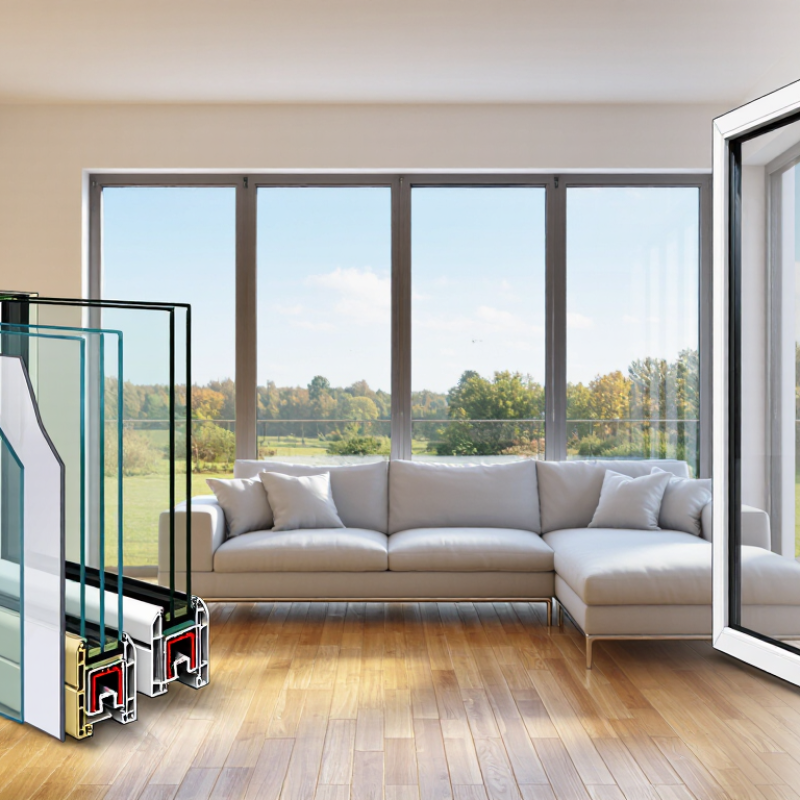
Why Choose Quality Glass and Windows?

What Defines Quality Glass and Window Systems?

What Defines Quality Glass and Window Systems?

Quality glass and window systems are defined by performance, not thickness or shine alone. They combine suitable glazing, durable frames, reliable seals, and careful installation. Look for even sightlines, smooth operation, and continuous weatherstripping. A rattle on a windy day is a warning, not a design detail.

Ratings make comparisons more reliable. The U.S. Department of Energy estimates that heat gain and loss through windows account for 25–30% of residential heating and cooling energy use. Check the National Fenestration Rating Council label for U-factor and solar heat gain coefficient (SHGC). U-factor indicates insulation performance; SHGC shows how much solar heat enters. The right balance depends on climate, window direction, and shading. Better ratings still cannot fix a poor installation. That part is easy to underestimate.

Tips: Before choosing, inspect the frame corners and seals, then open and close each sample. Ask for documented performance ratings and installation details. A small gap matters. So does clear warranty coverage.

How Glass and Frame Materials Shape Window Performance

Why Choose Quality Glass and Windows?
How Glass and Frame Materials Shape Window Performance

Window performance depends on the glass, frame, and the way they work together. Double-pane glass creates an insulating air space, while a low-emissivity coating can help limit heat transfer. In colder climates, that may mean less chill near the window on winter mornings. In sunnier rooms, suitable glazing can reduce unwanted heat and glare. The right choice depends on orientation, climate, and how the room is used.

Frames matter, too. Wood offers natural insulation but needs regular care to resist moisture. Vinyl is generally low-maintenance, while aluminum is strong but can conduct heat unless designed with a thermal break. Fiberglass can resist changes in temperature, though product quality and installation still vary. Small details matter. Check that the sash closes evenly and that weather seals sit snugly against the frame. A tiny gap can let in a noticeable draft. Condensation deserves attention, but it does not automatically prove the glass is faulty; indoor humidity and ventilation can also play a role. It is easy to focus on the pane and overlook the frame. That is a mistake worth reconsidering when comparing windows.

Why Choose Quality Glass and Windows?

How glass and frame materials shape window performance

Lower U-factor means better insulation: less heat passes through the window. These approximate values illustrate how adding glazing layers and low-emissivity coatings can reduce heat transfer; actual performance varies with the frame, spacer, gas fill, and product design.

How Quality Windows Improve Energy Efficiency and Comfort

Why Choose Quality Glass and Windows?
How Quality Windows Improve Energy Efficiency and Comfort

A cold window can make a sunny room feel oddly chilly. In summer, afternoon sun can heat the floor and nearby furniture. Better windows help limit both effects through insulated glass, low-emissivity coatings, and well-sealed frames. The U.S. Department of Energy’s Energy Saver guidance estimates that heat gain and heat loss through windows account for 25–30% of residential heating and cooling energy use. That figure makes windows worth checking, especially in rooms with noticeable drafts or uneven temperatures.

Look for NFRC-rated U-factor and Solar Heat Gain Coefficient values when comparing options. A lower U-factor generally means less heat escapes; the right solar-gain level depends on climate and window direction. Double-pane glass with a sealed insulating gap can also reduce cold interior surfaces and some outside noise. But even a high-performing window may disappoint if it is poorly installed. Gaps around the frame can still leak air. And no product fixes every comfort problem; shading, ventilation, and existing insulation matter too.

Tips: On a windy day, feel around the frame for moving air, then note which rooms get strong afternoon sun. Compare NFRC labels before choosing. Small details matter. A careful installation may be less visible than the glass, but it can make the difference between a warmer seat by the window and one you avoid.

What Factors to Consider When Choosing Glass and Windows

Choosing glass and windows starts with the room, climate, and exposure—not the frame color. South-facing rooms may need lower solar heat gain, while colder regions often benefit from lower U-factors. The U.S. Department of Energy estimates that windows account for 25–30% of residential heating and cooling energy use. That is significant.

Read the National Fenestration Rating Council (NFRC) label, not just the advertised glass description. U-factor measures how readily heat passes through the complete window; lower values generally reduce heat loss. The solar heat gain coefficient shows how much solar heat enters. A suitable value depends on orientation, climate, and shading. Also check visible transmittance if daylight matters, and condensation resistance in damp, cold rooms. Numbers need context.

Frames, seals, and installation matter as much as glazing. Poorly sealed joints can let drafts and moisture bypass an efficient pane; inspect corners, sill drainage, and locking hardware. Ask whether quoted performance applies to the complete unit, and confirm that the installer will air-seal the opening. Department of Energy guidance emphasizes proper installation. Budget for maintenance, too: wood may need more finish care, while other frame materials can still warp or leak. Even a careful choice can disappoint if it ignores how the room is actually used.

Why Choose Quality Glass and Windows? — What Factors to Consider When Choosing Glass and Windows

Factor What to Check Useful Data or Benchmark Why It Matters
Thermal insulation Compare the whole-window U-factor, including the frame and glazing. U-factor is measured in W/(m²·K); a lower value indicates less heat transfer. Compare products using the same rating method and units. Better insulation can improve indoor comfort and reduce heating or cooling demand.
Solar heat control Check the Solar Heat Gain Coefficient (SHGC) for the intended orientation and climate. SHGC ranges from 0 to 1. A lower value means less solar heat passes through the window. Appropriate solar control can help limit overheating while balancing useful daylight and winter sun.
Daylight and visibility Review the Visible Transmittance (VT) rating alongside solar-control requirements. VT ranges from 0 to 1; a higher value means more visible light passes through the glazing. Helps balance natural light, views, glare, and solar heat gain.
Noise reduction Look for a tested sound rating, such as STC or Rw, for the complete window assembly. Higher STC or Rw values indicate greater sound reduction under the relevant test method. Results depend on the glass, frame, seals, and installation. Useful near roads, railways, airports, or other noise sources; ratings should be compared using the same standard.
Safety and impact resistance Check whether local codes or the window location require safety glazing, such as tempered or laminated glass. Requirements vary by jurisdiction and location, including certain doors, low glazing, and hazardous areas. Suitable glazing can reduce the risk of injury or help hold broken glass together, depending on the glass type.
Weather resistance Review tested air leakage, water penetration, and structural performance ratings. Ask for test results for the complete window and confirm that the performance class suits local wind and weather conditions. Good sealing and appropriate performance ratings help limit drafts and water entry.
Frame and installation Assess frame material, drainage, hardware, perimeter sealing, and installer experience. Whole-window performance depends on the frame and installation as well as the glass; follow the manufacturer’s installation instructions. Even well-rated glazing may underperform if the frame, seals, or installation are unsuitable.
Durability and maintenance Check warranties, hardware quality, seal maintenance, and the care instructions for the selected glass and frame. Service life varies with materials, exposure, workmanship, and maintenance; review warranty terms for the specific product. Clear maintenance and warranty information can help avoid premature wear and unexpected repair costs.
Overall value Compare purchase and installation costs with expected energy performance, comfort, and maintenance needs. Request comparable written quotes that specify window dimensions, glass build-up, frame, ratings, and installation scope. A like-for-like comparison makes it easier to judge long-term value rather than choosing on price alone.

Performance figures and code requirements vary by product, test method, climate, and location. Confirm ratings for the complete window and check applicable local building requirements before purchase.

How Installation and Maintenance Affect Long-Term Performance

Why Choose Quality Glass and Windows?
How Installation and Maintenance Affect Long-Term Performance

Good glass can still underperform when the frame is poorly fitted. A narrow gap around the sash can invite drafts, moisture, and rattling during windy weather. The U.S. Department of Energy estimates that window heat gain and loss account for 25–30% of residential heating and cooling energy use. Careful installation helps limit avoidable leakage and allows the unit to operate as designed. Small details matter.

A qualified installer should check that the opening is square, the frame is level, and flashing directs water outward. Insulation around the frame needs to fill gaps without distorting it. Installers can miss a thin seam; even careful crews are human. ENERGY STAR estimates that certified replacement windows can lower household energy bills by an average of 12% nationwide compared with non-certified products. Actual savings vary with climate, home design, and installation quality.

Maintenance keeps small defects from becoming costly repairs. Once a year, inspect caulk and weatherstripping for cracks, and clear leaves from drainage paths. Check that locks move smoothly and condensation is not trapped between panes. A little upkeep helps. Still, not every foggy pane signals a failing window; persistent moisture between sealed panes is a stronger warning. Record changes and ask a qualified professional to assess them before replacing the whole unit.

About Us

Andy’s Glass & Window Company of Temecula Valley has been servicing the glass, window and door needs of Southern California since the 1970′s. Operating from a 10,700sf commercial building in Murrieta, California, a neighboring town of Temecula.

Contractor’s License #821172

Andy’s Glass & Window Company

25751 Jefferson Ave, Murrieta, CA 92562

(951) 677-7421

sale@johnsonwindowtint.com

Store Hours:
Monday - Thursday 8:00 am - 5:00 pm
Friday 8:00 am - 4:30 pm
Closed Saturday & Sunday

Visit Us

Contact Information
Andy's Glass & Window Company