What Are the Top Types of Quality Doors in 2026?
Choosing quality doors in 2026 means looking beyond appearance. The right door should match its location, climate, security needs, and daily use. A front entrance faces rain, sunlight, and repeated knocks. A patio door must slide smoothly and seal tightly. Interior doors shape privacy, sound control, and the feel of each room. Details matter.
Building scientist Joseph Lstiburek’s work emphasizes the building enclosure as a system. A useful paraphrase of that principle is: “Evaluate a door as part of the whole building enclosure.” This is a paraphrase, not a verified verbatim quotation. It offers a practical starting point: assess the frame, weather seals, glazing, installation, and surrounding wall together. Even a premium slab can underperform when gaps let drafts whistle through.
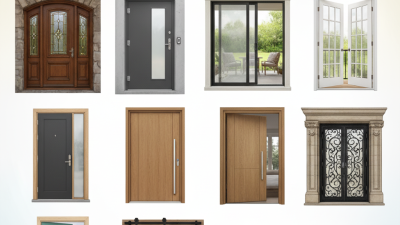
This guide compares leading door types, including fiberglass, steel, solid wood, engineered wood, composite, and glazed patio doors. It considers durability, insulation, maintenance, design flexibility, and likely costs. A steel entry door may suit a busy household, while wood can bring warmth and distinctive grain. Fiberglass often balances low maintenance with strong insulation. There is no universal winner. Product labels can also obscure differences in construction, so compare specifications rather than relying on appearance alone. A showroom sample cannot reveal every weakness. By weighing use, materials, and installation quality, homeowners can identify quality doors that perform well beyond the first impression.
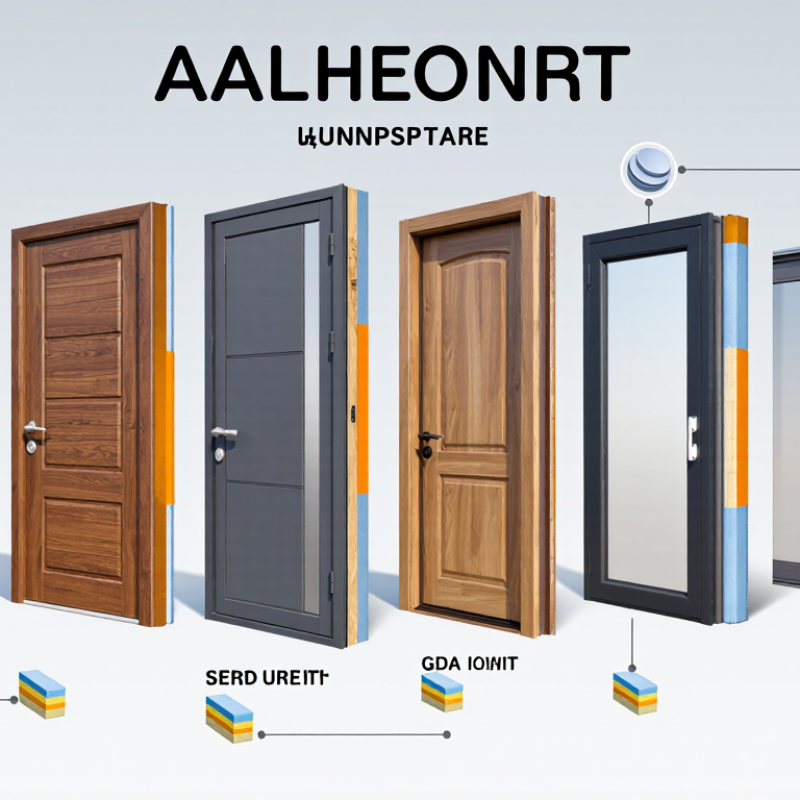
What Defines a Quality Door in 2026?
A quality door in 2026 is more than a solid slab. It must control heat transfer, resist drafts, close smoothly, and stay aligned through daily use. The U.S. Department of Energy reports that heating and cooling account for about 48% of home energy use, making the building envelope a practical place to assess performance. A door’s insulated core matters, but so do the frame, weatherstripping, threshold, and installation. A small gap can undo a good rating. You can feel it on a windy day.
Look for independently verified performance, not vague claims. The National Fenestration Rating Council label reports a door’s U-factor, which measures heat flow; lower values generally indicate better insulation. The DOE’s ENERGY STAR criteria also distinguish between opaque doors and doors with different amounts of glazing, because glass changes thermal performance. For durability, ask whether the complete door assembly has been tested for air leakage, water penetration, and structural pressure under recognized standards such as NAFS. Numbers help. But installation still deserves scrutiny: a well-rated door fitted out of square may bind, leak, or leave uneven gaps. Check the corner seals, latch engagement, and threshold contact in person. Quality is measurable, yet sometimes the quietest test is simply a door that shuts evenly without a shoulder.
Which Materials Are Used in Modern Quality Doors?
Modern quality doors combine material strength with insulation, weather resistance, and everyday usability. Solid wood brings natural grain and a substantial feel. It can be repaired or refinished, but moisture and temperature changes may cause swelling or movement. Small gaps matter. Engineered wood uses layered construction to improve stability, though its performance depends on the core and finish.
Steel doors offer strong security and resist everyday impacts. Their insulated cores can help limit heat transfer, but damaged coatings may expose metal to rust. Fiberglass handles moisture well and can mimic painted wood without the same upkeep. It is often a practical choice for exposed entrances. Aluminum is lightweight and resists corrosion, making it useful for modern frames and glass-panel designs. Still, metal can conduct heat unless the door includes a thermal break.
Glass adds daylight, but quality depends on its thickness, safety treatment, and insulated construction. For any material, inspect the frame, seals, hinges, and threshold; even a well-made slab can perform poorly when these details are weak. There is no perfect material, which is frustrating. A sample in a showroom may feel solid, while the installed door reveals drafts or noisy movement. Match materials to local weather, exposure, maintenance expectations, and the way the entrance is used.
What Are the Main Types of Quality Doors?
Quality doors are best understood by material and construction, not appearance alone.
Solid-wood doors offer natural grain, a substantial feel, and useful sound reduction. They can swell or shrink as humidity changes, so a close-fitting door may need seasonal adjustment. That detail is easy to overlook.
Engineered-wood doors use layered materials for more consistent dimensions and often cost less than solid wood. Check the core, edges, and finish; a decorative surface does not reveal the whole build.
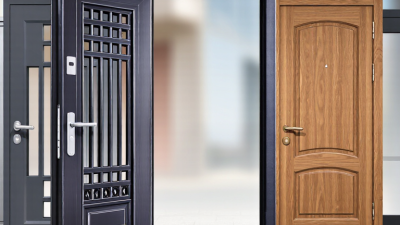
Steel doors are common for exterior entries because their skins resist dents and weather better than many lightweight options. Their insulation depends on the core and frame, not just the metal surface.
Fiberglass doors can resist moisture and temperature changes, making them practical where exposed wood might need frequent care.
For interior rooms, hollow-core doors are lighter and economical, while solid-core doors feel sturdier and can reduce noise.
Glass-panel doors bring daylight into darker spaces, but placement matters for privacy.
I would not call one type best for every home. Compare the door, frame, seals, and installation together; even a strong slab can perform poorly when gaps let drafts through.
How Do Door Types Differ in Performance and Applications?
Steel doors resist impacts and suit busy entrances, garages, and utility areas. Their surfaces can dent, though, and exposed edges may need protection from moisture. Solid-core wood doors reduce sound between rooms and feel substantial, but humidity can cause swelling or sticking.
Fiberglass doors offer good insulation and resist routine moisture, making them practical for exposed entryways. Aluminum-and-glass doors bring daylight into offices or patios, yet large glass areas may reduce privacy and increase heat gain. For corridors or service rooms, fire-rated doors are designed to slow fire and smoke. Their performance depends on the full assembly, including the frame, hardware, and correct installation. A label alone is not enough.
Tips: Match the door to daily use, not appearance alone. Check its rating, weather exposure, and maintenance needs. Measure the opening carefully. Even a good door may perform poorly if the frame is out of square; that detail is easy to overlook.
What Factors Matter When Comparing Quality Doors?
A quality door should suit its location, not just look substantial in a showroom. For an exterior door, compare weather resistance, insulation, security hardware, and frame strength. Check the stated energy rating, but read the full specification; glass area and installation can affect real-world performance. For interior doors, sound control, privacy, weight, and clearance matter more. A heavy slab can feel solid, yet sag if its hinges and jamb are undersized.
Material choice involves trade-offs. Wood offers a warm, repairable surface, but needs care when humidity shifts. Fiberglass and steel can resist weather well, though finishes and core construction vary. Ask how the door handles water at the sill, what the warranty covers, and whether replacement parts are available. Measure the rough opening, wall thickness, swing, and threshold before ordering. I would not judge quality by weight alone; that shortcut overlooks seals, alignment, and workmanship. Even strong specifications cannot compensate for poor installation. Small details matter.
Tips: Close a sample door and listen for rattling. Check that seals touch evenly, hinges feel firm, and the latch aligns without force. Compare installed quotes, not just slab prices, and request written details for glazing, hardware, and labor.
Top Types of Quality Doors in 2026: Comparing Insulation
Typical R-value ranges for common residential entry-door slabs. Higher R-values indicate greater resistance to heat flow.
Ranges are indicative, not universal; construction, thickness, glazing, and testing methods affect performance. When comparing doors, also consider weather sealing, security, durability, maintenance, installation quality, and warranty.