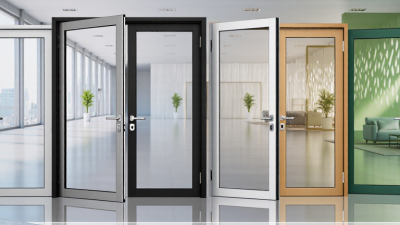
China Top 10 Doors With Glass Manufacturers

China’s doors with glass market serves projects ranging from compact apartments to hotel entrances with broad, sunlit façades. For buyers, the challenge is not simply finding an attractive panel. Frame material, glass type, hardware, sealing, and installation all shape durability and comfort.

The U.S. Department of Energy’s Energy Saver guidance reports that heat gain and loss through windows account for about 25%–30% of residential heating and cooling energy use. That figure concerns windows, not glass doors specifically, so it should not be treated as a direct performance estimate for every door. Still, it shows why glazing specifications deserve attention. The National Fenestration Rating Council’s labels provide useful measures, including U-factor and solar heat gain coefficient. Ask manufacturers for test records, not just catalog claims.

Joe Lstiburek, a recognized building-science expert, is associated with the practical maxim, “Build tight, ventilate right.” It offers a useful lens for evaluating doors with glass: beautiful glazing cannot compensate for poor sealing or careless fitting. A showroom sample may feel solid under the hand, yet reveal little about performance after years of weather and daily use. There is no perfect specification for every climate or project. This guide to China’s top 10 manufacturers compares product range, customization, quality documentation, and export support, while recognizing that published information can leave gaps. Buyers should verify details directly before placing an order.
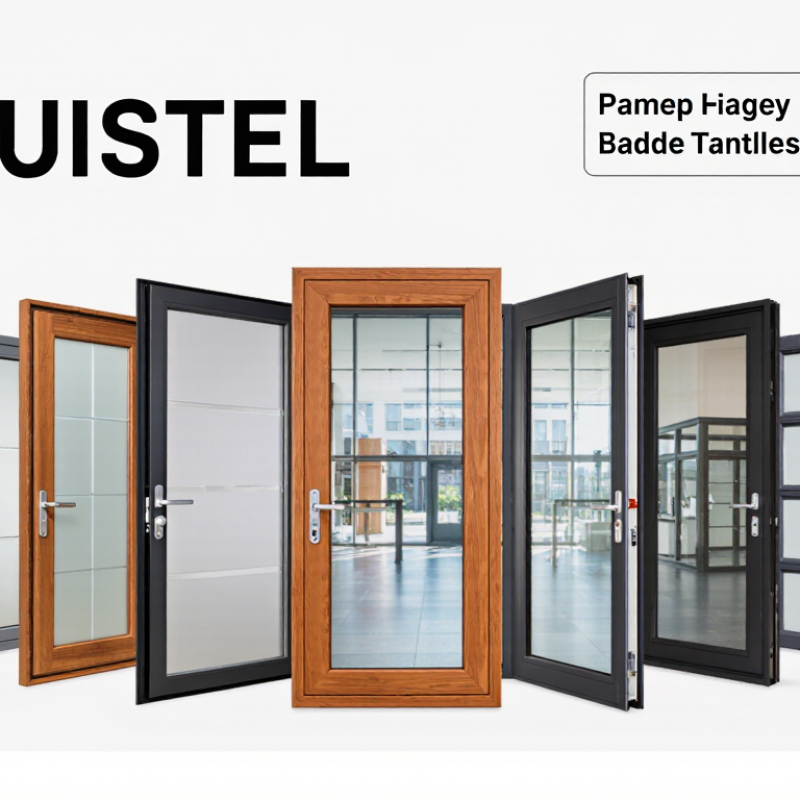
China Top 10 Doors With Glass Manufacturers

Understanding Glass Door Types and Their Applications

Glass doors serve different purposes, so the right type depends on location and use. Clear tempered glass suits interior partitions and patio doors where visibility matters. Laminated glass holds together when cracked, making it useful near busy walkways. Frosted or patterned glass adds privacy to bathrooms and office meeting rooms, though it reduces daylight.

Insulated glass units combine two or more panes with a sealed gap to limit heat transfer. Low-emissivity coatings can further reduce unwanted heat gain.

The U.S. Department of Energy’s “Update or Replace Windows” guidance estimates that heat gain and loss through windows account for 25%–30% of residential heating and cooling energy use. That figure is not specific to glass doors, but it highlights why glazing choices matter in a building’s envelope.

For an exterior door, check the whole assembly: glass type, frame, seals, and installation all affect performance. A well-insulated pane cannot compensate for a leaky frame. Safety glazing is important where people may collide with the glass, such as beside a floor-level entrance.

It matters. In practice, buyers sometimes focus on appearance and overlook glare, privacy, or maintenance. A specification can still disappoint. Compare measured thermal performance and safety documentation, then consider the room’s light and traffic before choosing.

How China’s Glass Door Manufacturing Industry Is Organized

China’s glass-door industry is a supply chain, not a single factory category. It links float-glass producers, tempering and laminating workshops, frame and hardware suppliers, door assemblers, and project distributors. The National Bureau of Statistics of China reported 969.01 million weight cases of flat-glass output in 2023. That figure measures all flat glass, not door-ready safety glass. It shows the scale of the upstream base, but should not be mistaken for finished-door production.

At the processing stage, glass is cut, edged, tempered or laminated, then fitted into aluminum, steel, or timber frames. Smaller firms may specialize in one step; larger manufacturers often coordinate several stages and supply contractors, dealers, or export buyers. Customs categories can separate glass panels from framed doors and hardware, making finished-door trade figures harder to compare. That distinction matters. For buyers, ask who handles glass processing, frame assembly, and final inspection. A supplier’s role can vary, even within one order. The structure is efficient, but not always transparent; published output data rarely reveal how many finished doors pass through each factory.

China’s Glass Door Manufacturing Industry: Common Glass Thickness Options

Glass door manufacturers typically coordinate glass processing with frame fabrication and final assembly. The chart shows common nominal thickness options for door glazing; it does not represent market share or company output.

The appropriate thickness depends on panel dimensions, installation conditions, safety requirements, and applicable building codes.

Criteria for Selecting the Top 10 Glass Door Manufacturers

A credible shortlist of China’s top glass door manufacturers should begin with measurable performance, not showroom appearance. The U.S. Department of Energy reports that windows account for roughly 25–30% of residential heating and cooling energy use. That figure is not a door-specific estimate, but it shows why glazing specifications deserve close review. Ask for verified U-factor and solar heat gain coefficient ratings, and confirm which test method and product configuration produced them. A rating for one glass build-up may not apply to another. Small detail, big difference.

Safety and durability need equal weight. Request test records for impact resistance, air leakage, water penetration, and repeated opening cycles. Check that the glass type and thickness match the intended use, especially near floor level or in high-traffic areas. Then examine production controls: incoming glass inspection, edge finishing, hardware checks, and traceable batch records. Useful evidence includes recent factory audit results and documented corrective actions, not just polished certificates. Ask for a physical sample and inspect the corners, seals, and handle alignment yourself. They tell a story.

Finally, compare warranty scope, replacement-part availability, packaging, and delivery consistency. A low quote can exclude installation tolerances or protective packing. References from projects with similar climate, opening size, and usage provide better evidence than a generic portfolio. Ratings and factory records still cannot guarantee a flawless installation; that limitation should be discussed openly before selection.

Profiles of 10 Leading Glass Door Manufacturers in China

China’s glass-door industry serves residential, commercial, and renovation projects. The ten profiles below describe distinct manufacturing strengths, not a verified ranking or named-company audit.

  • An aluminum-frame specialist may focus on sliding patio doors, where smooth tracks and weather seals matter.
  • A shower-enclosure producer typically works with tempered panels, polished edges, and compact fittings.
  • An interior-door maker may favor slim frames and clear or frosted glass.
  • A commercial-entry manufacturer often supplies wide storefront systems and reinforced hardware.
  • An office-partition producer focuses on consistent panel dimensions and privacy options.
  • An oversized-panel workshop needs careful handling and reliable packaging.

Details matter.

  • A fire-rated door maker should provide product-specific test documentation for buyers to review.
  • A smart-door producer combines glass panels with sensors or automated opening systems.
  • An export-oriented factory may offer custom sizing and coordinated shipping, but lead times need checking.
  • The tenth profile is a hardware-integrated manufacturer, coordinating hinges, locks, handles, and glass during production. That can reduce fit problems on site.

Yet a polished catalogue proves little by itself. Ask for sample specifications, quality-control records, installation guidance, and clear warranty terms. Compare those details against the project’s climate, traffic, and cleaning needs. Some suppliers describe customization broadly; confirm exactly which dimensions and finishes they can deliver.

Comparing Product Range, Quality, and Manufacturing Capabilities

China Top 10 Doors With Glass Manufacturers: Comparing Product Range, Quality, and Manufacturing Capabilities

A useful comparison starts with product range, not a polished catalog. Check whether a manufacturer offers clear, frosted, or textured glass, plus different frame materials and opening styles. Ask how products can be adjusted for custom dimensions. A broad range is valuable only when specifications stay consistent. Details matter. Compare glass thickness, edge finishing, frame joints, hardware, and stated performance data. Photos help, but they cannot confirm how a door feels or operates.

Quality depends on repeatable production and careful inspection. Ask about glass cutting, tempering, assembly, and packaging procedures, then request sample inspection records where available. Confirm how the factory checks dimensions and surface defects before dispatch. Manufacturing capacity matters too: lead times, order minimums, and the ability to handle repeat orders can affect project schedules. Do not assume a large facility guarantees better work; verify claims against samples and written specifications. One detail buyers sometimes overlook is protective packaging around exposed glass edges.

Tips: Request a sample or detailed close-up images of corners, seals, and hardware. Compare the same specifications across suppliers, and get tolerances and delivery estimates in writing. Ask who handles replacement parts if a component arrives damaged.

About Us

Andy’s Glass & Window Company of Temecula Valley has been servicing the glass, window and door needs of Southern California since the 1970′s. Operating from a 10,700sf commercial building in Murrieta, California, a neighboring town of Temecula.

Contractor’s License #821172

Andy’s Glass & Window Company

25751 Jefferson Ave, Murrieta, CA 92562

(951) 677-7421

sale@johnsonwindowtint.com

Store Hours:
Monday - Thursday 8:00 am - 5:00 pm
Friday 8:00 am - 4:30 pm
Closed Saturday & Sunday

Visit Us

Contact Information
Andy's Glass & Window Company