Choosing the best house doors is not simply a matter of matching color with brickwork. A door must welcome visitors, resist weather, protect the interior, and work smoothly every day. From measuring the rough opening to comparing lock systems, small decisions can affect comfort, security, and long-term costs.
A practical choice begins with the entrance itself. Is it exposed to driving rain, harsh sunlight, coastal air, or winter frost? A solid wood door may offer warmth and character, but it needs regular sealing. Fiberglass can imitate wood grain and usually requires less maintenance. Steel provides strength and often improves insulation, although scratches may eventually invite rust. Glass panels can brighten a dim hallway, yet privacy and impact resistance deserve careful attention.
Look beyond appearance.
Energy performance also matters. Check the door’s insulation value, weatherstripping, threshold, and frame quality. A beautiful slab cannot compensate for air leaking around its edges. Professional installation is equally important; an uneven frame may cause drafts, sticking, or premature wear. Manufacturer specifications and independent testing are more reliable than vague sales claims.
There is no universally perfect door. My own preference has changed after seeing attractive doors fade quickly in strong sun. That experience made maintenance planning feel less optional. Consider your climate, household routines, budget, and future repairs before deciding. Then compare materials, hardware, swing direction, glazing, and warranty coverage. The right house doors should look appropriate, feel secure, and remain dependable long after the first impression.
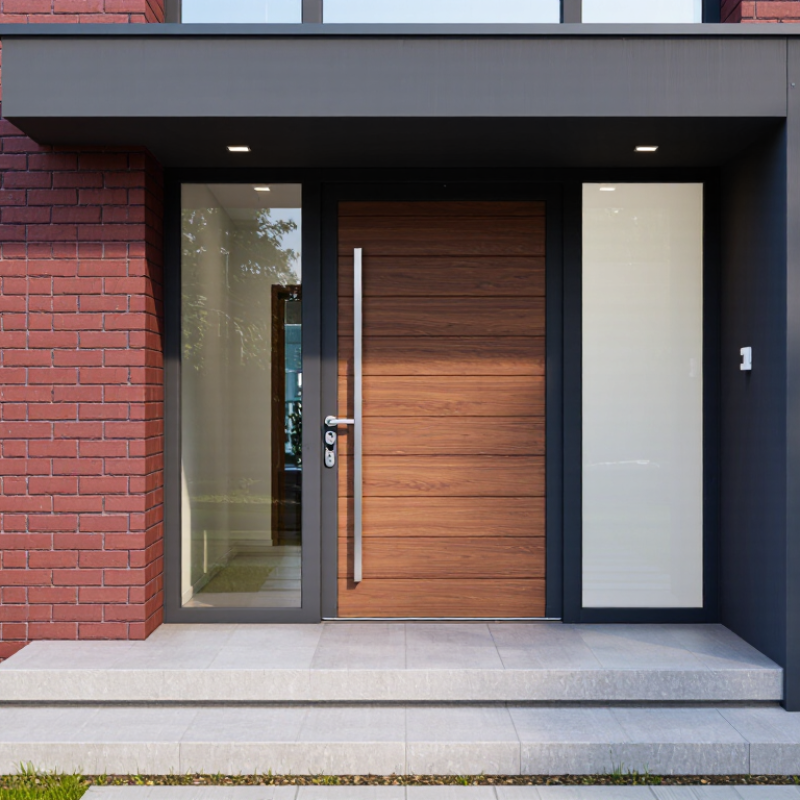
How to Choose the Best House Doors for Your Home?
Define Your Home’s Door Requirements and Priorities
Start by describing what your door must do each day. Is security your main concern, or are you trying to reduce drafts? Consider sunlight, rain, noise, privacy, and household traffic. A front door facing strong afternoon sun may need a finish that resists fading. A side entrance near a garden may require better moisture protection.
Write down your priorities before visiting a supplier. Rank them by importance, not excitement. A decorative glass panel can look beautiful, but it may reduce privacy or increase cleaning. Families with children, older adults, or mobility needs should check threshold height, opening force, and handle placement. Small details matter.
Measure the opening carefully, including the frame, wall thickness, and floor level. An experienced installer can identify movement, water damage, or uneven construction that measurements may miss. Local building requirements may also affect fire resistance, ventilation, glazing, and emergency access. Ask for written specifications and installation details.
Your budget should include hardware, removal, delivery, finishing, and future maintenance. The cheapest option can become expensive when seals fail early. I once underestimated the effect of coastal air; ordinary hardware developed surface corrosion faster than expected. That mistake changed how I judge materials. Ask how often hinges, locks, weather seals, and finishes need inspection. Leave room for practical compromises. A perfect door may not exist.
Define your home's door requirements and priorities before comparing materials, styles, and prices.
Use this planning score as a practical starting point. Security and weather resistance are especially important for exterior doors, while accessibility, privacy, appearance, and maintenance should be weighted according to each room and household.
Choosing a house door starts with the material, not the color. Solid wood offers warmth, weight, and natural variation. It can swell during humid seasons, however, especially when finishing is neglected. Fiberglass resists moisture and often imitates wood grain convincingly. Steel provides strong security and stable performance, but scratches may expose metal to rust. I once underestimated this detail on a coastal renovation.
Style should support both the architecture and daily use. A simple flush door suits modern homes with clean lines. A paneled door adds depth to traditional exteriors. Glass inserts can brighten a dark entryway, although privacy and insulation require careful consideration. Check the glass rating and frame seals. Pretty is not always practical.
Construction quality often reveals more than appearance. Lift the door gently and notice whether it feels balanced. Inspect tight joints, even edges, and reinforced hinge areas. A reliable exterior door should close without forcing and remain aligned after repeated use. Look for weatherstripping that compresses evenly around the frame. The threshold should shed rain away from the interior. Small gaps matter.
Door thickness, core design, and hardware compatibility also affect performance. A hollow interior may cost less, but it usually offers weaker insulation and sound control. Measure the opening accurately before ordering. Even experienced renovators can miss uneven floors or old framing. That mistake becomes expensive later. Choose a door that matches the climate, entry traffic, maintenance habits, and character of the house.
Choosing the best house door starts with accurate measurements. Measure the rough opening, not only the existing door slab. Record width at the top, middle, and bottom. Then measure height from the finished floor to the header. Small errors matter.
Allow space for flooring, weatherstripping, and the frame. A door that fits today may drag after new flooring is installed. Check the wall thickness before ordering the frame. For a narrow entry, a single door usually saves space. A wider opening may suit double doors or a door with a sidelight. Double doors look generous, but their meeting edge needs careful sealing. I once underestimated that detail, and drafts appeared during winter.
Swing direction should match daily movement. Stand outside and face the doorway. If the hinges are on your right, it is generally a right-hand door. Still, confirm the manufacturer’s handing terms before purchase. An inswing door keeps its hinges protected and often simplifies weather control. An outswing door can preserve interior space, but it needs clear exterior landing space. Do not let it block a walkway, stair path, or neighboring entrance. Local building rules may also affect swing direction, emergency access, threshold height, and required clearances. A paper template on the floor can reveal conflicts before installation. It is not perfect, but it is cheaper than changing a finished frame.
Choosing a house door starts with security, not appearance alone. A solid core, reinforced frame, and well-fitted hinges resist forced entry. Look for a multi-point locking system and a deadbolt with a protected cylinder. Glass panels need laminated construction, especially near the handle. In my inspections, small gaps around the frame often cause more concern than the door material. Check the threshold at night. Light should not pass beneath it.
Energy efficiency depends on the whole entrance assembly. A well-insulated door can still waste heat if weatherstripping is cracked or the sill is poorly sealed. Choose a low-conductivity core and durable seals that remain flexible in cold weather. Ask for tested U-value and air-leakage data, rather than trusting vague claims. This detail is easy to overlook. A thermal camera can reveal a cool strip around the frame during winter. Installation quality matters as much as product specifications. An expensive door may perform poorly when the opening is uneven.
Durability should match local exposure. Coastal air, heavy rain, strong sunlight, and daily traffic each demand different materials and finishes. Inspect corners, drainage paths, and hinge mounting points before deciding. Maintenance should be realistic: wipe dirt from seals, tighten hardware, and check protective coatings each year. Some finishes need more attention than expected. I once chose a complex surface because it looked refined, then regretted the cleaning time. Choose repairable components and keep installation records. A door must perform through changing seasons.
How to Choose the Best House Doors for Your Home?
Set a realistic door budget before comparing styles, materials, or finishes. Include the door, frame, hardware, delivery, removal, and installation. A low price can become expensive when hidden work appears. I once underestimated the cost of repairing an uneven threshold. That mistake changed how I review quotes.
Ask each installation provider for a detailed, written estimate. It should explain labor, expected timing, cleanup, and possible extra charges. Reliable professionals usually inspect the opening before recommending a door. They check wall measurements, moisture damage, floor levels, and weather exposure. Do not rely on a quick phone estimate.
Check practical evidence of experience. Ask for recent local references and photographs of completed projects. Confirm that the provider carries suitable insurance and follows required building standards. A clear workmanship warranty also matters. Read every condition carefully.
Trust your questions.
During the consultation, notice small details. Does the installer explain how the frame will be sealed? Will they adjust the hinges after installation? Do they protect nearby flooring during removal? These answers reveal more than a polished sales pitch. Still, no provider is perfect, and schedules can change. Keep communication in writing, leave room in your budget, and choose careful workmanship over rushed savings.
| Decision Factor | Typical Options | Indicative Cost Range (USD) | Main Benefits | Important Considerations |
|---|---|---|---|---|
| Door Material | Fiberglass | $600–$3,500 installed | Good weather resistance, low maintenance, and many finish options | Check the insulation rating, finish quality, and frame compatibility |
| Door Material | Steel | $500–$2,500 installed | Strong security, stable construction, and generally lower cost | Look for corrosion protection and a properly insulated core |
| Door Material | Solid wood | $900–$4,500 installed | Natural appearance, repairability, and strong design flexibility | Requires regular sealing or finishing, especially in damp climates |
| Door Style | Single entry door | $500–$3,000 installed | Suitable for most standard residential entrances | Confirm the rough opening, handing, threshold height, and swing clearance |
| Door Style | Double entry door | $1,500–$6,000 installed | Wider opening and a more prominent appearance | Needs accurate structural measurements and secure meeting-point hardware |
| Energy Performance | Insulated exterior door | $700–$3,500 installed | Helps reduce drafts and can improve indoor comfort | Compare the whole-door U-factor, weatherstripping, and threshold seal |
| Security | Reinforced frame with quality deadbolt preparation | $150–$800 additional | Improves resistance to forced entry when installed correctly | The frame, strike plate, screws, hinges, and wall structure all matter |
| Glass Features | Clear, decorative, or privacy glazing | $150–$1,200 additional | Adds natural light and can enhance curb appeal | Choose safety glazing where required and consider privacy and solar exposure |
| Installation Scope | Replacement in an existing opening | $300–$1,200 labor | Usually faster and less disruptive than changing the opening | Ask whether trim removal, disposal, shimming, flashing, and minor repairs are included |
| Installation Scope | New or modified opening | $1,000–$4,000 labor and structural work | Allows greater flexibility in size and placement | May require permits, structural review, interior repairs, and exterior weatherproofing |
| Provider Verification | Licensed and insured installer | No separate selection fee; verify before hiring | Provides accountability and reduces installation risk | Check local licensing rules, liability coverage, workers’ compensation, and references |
| Warranty Coverage | Product and workmanship warranties | Often included; terms vary by supplier and installer | Clarifies responsibility for defects and installation problems | Obtain written coverage periods, exclusions, maintenance duties, and claim procedures |
| Budget Planning | Contingency allowance | Add approximately 10%–20% | Provides room for concealed damage, trim repairs, or code-related upgrades | Request a written estimate separating door, hardware, labor, permits, disposal, and taxes |