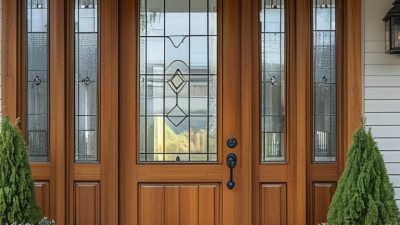
Choosing the right home doors in 2026 requires more than comparing colors, prices, and online photographs. Global buyers must consider climate, security, energy performance, accessibility, maintenance, and local building requirements. A door that performs well in a dry European climate may swell in tropical humidity or weaken under intense coastal sunlight.
This guide examines practical choices for apartments, villas, offices, and newly built homes. It compares timber, steel, aluminum, fiberglass, and composite doors through measurable features. These include thermal insulation, weather resistance, hardware quality, acoustic control, and expected service life. Frame depth matters. So does installation.
Details often decide performance.
Buyers should also verify product certifications, fire ratings, warranty terms, replacement-part availability, and installer experience before placing an order. Reliable manufacturers should provide clear specifications, testing information, care instructions, and realistic delivery conditions. Regional differences matter, especially where hurricanes, freezing temperatures, heavy rain, or high burglary risks are common.
Still, no buying guide can replace a site assessment. Measurements may be inaccurate, and marketing claims can sound stronger than actual performance. Even an attractive door may create problems if the threshold, hinges, or drainage system is poorly designed. That is why this article encourages careful comparison, professional advice, and honest reflection about long-term needs. The best home doors are not simply beautiful products. They are dependable building components selected for a specific property, climate, budget, and daily routine.
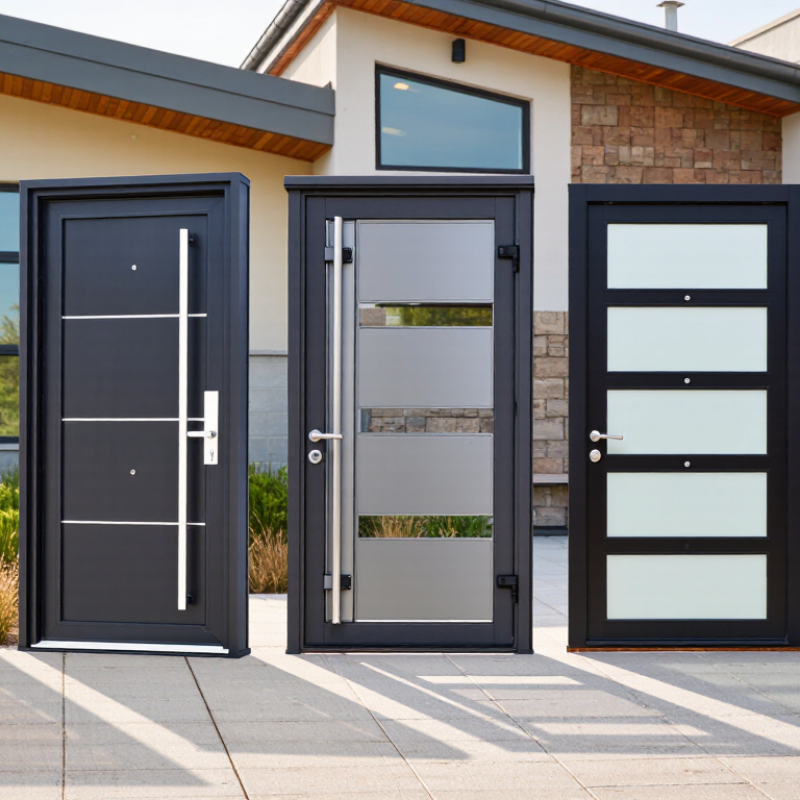
A suitable home door for global buyers must perform well beyond a showroom. It should match local weather, building habits, and everyday security needs. In humid coastal areas, stable materials and corrosion-resistant hardware matter greatly. In colder regions, tight seals help reduce drafts and heating loss. Hot climates may require shaded designs, insulated cores, or finishes that resist fading.
Measure the wall opening carefully, including depth, threshold height, and swing direction. Small errors can create expensive installation problems. Door selection experience shows that thermal performance should be checked through documented testing, not attractive claims. Look for clear information about U-values, air leakage, water resistance, fire performance, and acoustic control. Standards vary between countries, so buyers should confirm whether test reports apply to their project location.
Security also needs practical thinking. A strong door is not enough if the frame is weak or the hinges are poorly fitted. Check the lock system, hinge protection, glazing design, and replacement process before ordering.
Accessibility deserves equal attention; a low threshold and easy-to-use handle can help older residents and wheelchair users. Design matters too. A door may look elegant online but feel unsuitable beside a traditional home.
That mistake is common. Ask for full-size color samples, installation drawings, maintenance instructions, and spare-part availability. Local installers should review these details before production, because shipping a wrong door across borders is costly and frustrating.
Choosing a home door starts with climate, not appearance. In humid coastal areas, steel needs protected edges and corrosion-resistant hardware. Fiberglass resists moisture better, while solid timber offers repairable surfaces and natural insulation. Aluminium suits wide glazed openings, but thermal breaks matter in cold regions. The International Energy Agency’s Buildings 2023 report states that buildings used about 30% of global final energy in 2022. A poorly sealed entrance quietly adds to that burden. Small gaps matter.
Compare styles through function. Hinged doors suit frequent entry, while sliding doors save circulation space. Insulated glazed doors can increase daylight, but the U.S. Department of Energy notes that windows may cause 25–30% of residential heating and cooling energy use. Check the whole assembly, not the leaf alone.
Request U-factor, air leakage, water penetration, wind-load, and visible transmittance data. NFRC procedures support verified fenestration ratings, while EN 14351-1 supports performance declarations in European markets. Ratings help, but installation can defeat them.
Construction deserves physical inspection. Look for reinforced hinge zones, adjustable compression seals, stainless fasteners, and a drained threshold. For timber, inspect end-grain sealing and moisture protection. For steel, check protective coatings beneath exposed scratches. Request test reports for the exact model and size. A polished brochure is not independent evidence. I would also confirm replacement seals locally. One worn gasket should not require an expensive special shipment. My comparison scores weather resistance, maintenance, repairability, security, and local service separately. The cheapest purchase is often not the cheapest ownership.
2026 How to Choose the Best Home Doors for Global Buyers?
Which Security, Energy, and Weather Features Matter Most?
A strong door begins with the climate, not the showroom.
In hot regions, prioritize low solar heat gain, shaded entryways, and insulated cores. In cold climates, check the U-value, weatherstripping, and threshold seal. The U.S. Department of Energy reports that air leakage can consume 25–40% of a home’s heating and cooling energy. Small gaps matter.
Security needs more than a heavy appearance.
Look for a reinforced frame, protected hinges, a solid strike area, and tested locking hardware. Ask for documented resistance testing under recognized regional standards, such as EN 1627 or ASTM procedures. A strong lock cannot compensate for a weak frame. The whole assembly matters.
Weather performance deserves equal attention.
Request test results for water penetration, air leakage, and wind pressure. Coastal buyers should consider corrosion-resistant hardware and drainage details. The International Energy Agency’s Buildings 2023 report identifies buildings as responsible for about 30% of global final energy use. Efficient doors support the larger envelope, but they are not magic. I once treated a thick door as automatically efficient; the poorly sealed threshold proved otherwise. Check installation tolerances, replacement seals, and local service access before ordering. A perfect door does not exist. Some specifications remain unclear. Ask better questions.
Choosing the best home door depends on more than appearance. The building type and climate often decide whether a door performs well.
For coastal houses, choose materials and finishes that resist salt, strong sunlight, and damp air. A sealed composite or treated hardwood door can reduce swelling and surface damage. In humid regions, allow small movement around the frame. Timber is never completely still. That detail is easy to overlook. In cold climates, insulated doors with tight weather seals help prevent drafts and indoor heat loss. Check the threshold carefully, because a small gap can create noticeable discomfort.
Apartment entrances need different priorities. Fire resistance, sound reduction, and secure hardware may matter more than decorative panels. For mountain homes, doors should tolerate snow, freezing temperatures, and repeated expansion. A covered entrance can protect the frame from direct weather. In hot, dry areas, shaded doors and light-colored surfaces can reduce heat absorption. Large glass panels may look attractive, but they can increase indoor heat without suitable glazing.
During site inspections, I have seen beautiful doors fail because the frame was poorly fitted. Installation quality matters as much as the door leaf. Measure the opening, wall thickness, drainage, and expected exposure before ordering. Local building requirements should also be checked with a qualified professional. I once assumed a standard exterior door would suit every climate. That assumption was wrong. Seasonal changes, construction methods, and maintenance access all deserve practical attention.
Choosing a home door for an international project requires more than comparing photographs and prices. Start with accurate measurements, including the opening, wall thickness, threshold, and swing direction. Ask for technical drawings and confirm every dimension in writing. A small mistake can delay an entire installation.
Climate matters greatly. Coastal homes need corrosion-resistant hardware, while humid regions require stable materials and protected finishes. Cold areas may need insulated cores, tight seals, and low air leakage. Check the door’s resistance to water, wind, heat, and repeated use. Do not trust vague terms such as “premium quality.” Request test information, material details, and maintenance instructions. I have learned that attractive samples can hide weak edges or unsuitable seals.
Before ordering, inspect the packing method and delivery responsibility. Measure the opening again when the shipment arrives. Look for dents, moisture, twisted frames, and missing hardware before signing acceptance documents. Installation should follow the supplied instructions and local construction requirements. The frame must be level, plumb, and firmly supported. Poor alignment can cause rubbing, drafts, or lock failure. It happens more often than expected.
Maintenance should be practical for the homeowner. Clean surfaces with mild soap, inspect seals twice a year, and lubricate moving parts when recommended. Refinish exposed timber before cracks spread. Keep records of inspections and repairs. My own planning has not always been perfect; I once focused on appearance and underestimated delivery conditions. That mistake changed how I evaluate doors today.