How to Choose the Best Doors and Windows for Your Home?
Choosing the right doors and windows for your home is crucial. This decision impacts energy efficiency, aesthetics, and security. Renowned expert in the doors windows industry, James Patterson, once said, “The best doors and windows balance functionality and beauty.” His insight resonates with many homeowners seeking to enhance their living spaces.
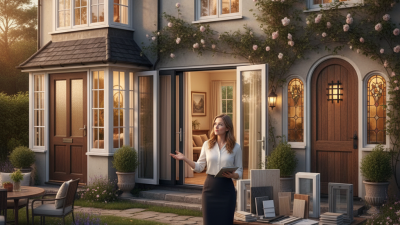
Consider the style of your home. Are you modern, traditional, or somewhere in between? The right doors and windows should complement your home’s architecture. Energy efficiency is another factor. Poorly chosen options can lead to costly heating bills. Assess the materials carefully. Wood, vinyl, and fiberglass each have unique advantages and drawbacks.
Finally, think about maintenance. Some materials require more upkeep than others. Reflecting on your lifestyle can lead to better choices. While it's easy to focus on appearance, functionality is equally important. The perfect combination of both ensures lasting satisfaction. In the endless options available, don’t overlook the practical aspects.
Understanding Your Needs: Assessing Home Style and Functionality
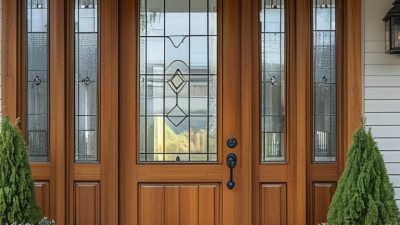
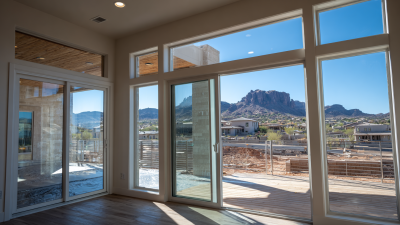
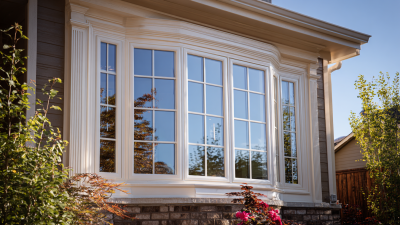
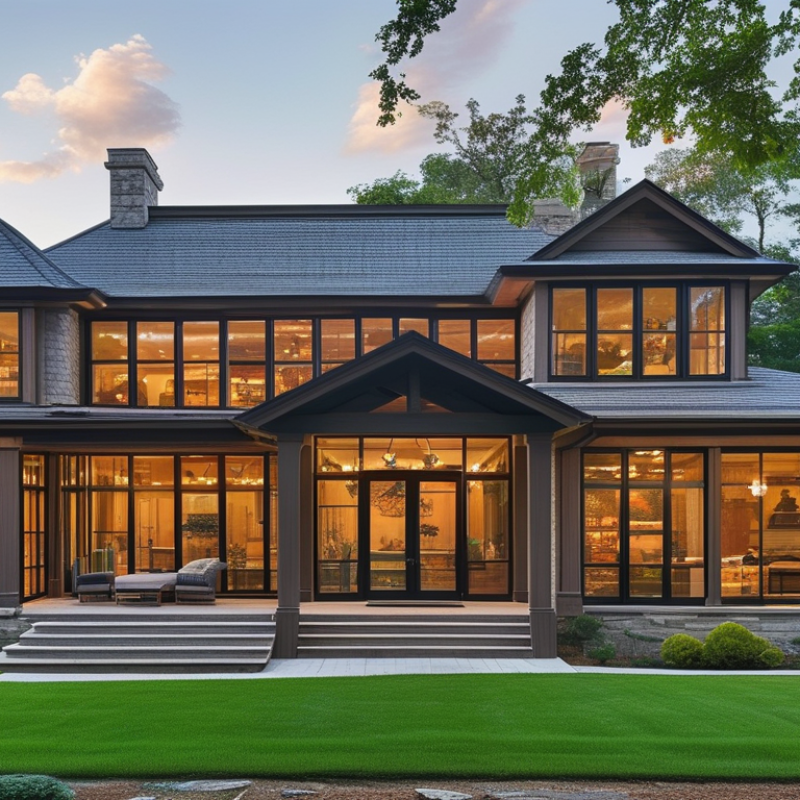
When it comes to choosing doors and windows, assessing your home style and functionality is crucial. Consider the architectural design of your home. Is it modern, traditional, or eclectic? Each style has specific characteristics that dictate fitting designs. For a modern home, sleek lines and large glass panels may be preferred. In contrast, a traditional home may call for classic wood frames with detailed moldings.
Functionality is equally important. Think about the purpose of each door and window. Will they serve as primary entry points, or are they meant for ventilation and light? Selecting energy-efficient options can significantly affect your utility bills over time. Keep in mind your climate as well. For instance, double-glazed windows are beneficial in colder regions to retain heat. However, they might not be necessary in warmer areas.
Don't forget to reflect on your lifestyle. Do you have children or pets? In such cases, you may need durable materials that can withstand wear and tear. Security is another essential aspect. Consider adding features like reinforced locks or shatterproof glass for added peace of mind. Ultimately, balancing aesthetic appeal with practical needs can lead to a wise investment in your home.
Evaluating Material Options: Wood, Vinyl, Aluminum, and Fiberglass
When selecting doors and windows for your home, the material is key. The choices of wood, vinyl, aluminum, and fiberglass each offer unique benefits. Wood exudes warmth and classic appeal. It can be customized easily. However, wood requires regular maintenance to prevent rot and warping. This is something to consider if you prefer low upkeep.
Vinyl windows are popular for their energy efficiency and affordability. They resist fading, peeling, and require little maintenance. Yet, they may lack the visual appeal of traditional materials. Aluminum is sturdy and resistant to the elements. It is perfect for modern designs. However, aluminum conducts heat, which can affect your home’s insulation.
Finding the best option means weighing the benefits against your needs. Reflect on your region's climate and your home’s style. A durable material might cost more upfront but save money in the long run through energy efficiency. Consider color, finish, and style carefully. They can significantly impact your home's overall look. Explore sustainable options too, as they contribute positively to the environment.
How to Choose the Best Doors and Windows for Your Home? - Evaluating Material Options: Wood, Vinyl, Aluminum, and Fiberglass
| Material |
Durability |
Maintenance |
Insulation |
Cost |
| Wood |
Excellent (with proper treatment) |
High (requires regular painting/staining) |
Good |
$$$ |
| Vinyl |
Very Good |
Low (easy to clean) |
Excellent |
$$ |
| Aluminum |
Good (may corrode over time) |
Medium (requires occasional cleaning) |
Fair |
$$ |
| Fiberglass |
Excellent |
Low (very durable) |
Very Good |
$$$$ |
Energy Efficiency Considerations: Insulation and Performance Ratings
When selecting doors and windows, energy efficiency is a crucial element. Insulation and performance ratings greatly influence your home's comfort. The U-factor measures heat transfer through materials. A lower U-factor means better insulation. According to the U.S. Department of Energy, windows with a U-factor of 0.30 or lower are recommended for optimal energy efficiency.
Performance ratings also include solar heat gain coefficient (SHGC). This rating indicates how well a product blocks heat from sunlight. A lower SHGC is ideal for warmer climates, helping to keep homes cool. Conversely, in colder regions, a higher SHGC can be beneficial. The National Fenestration Rating Council (NFRC) provides reliable ratings that help consumers make informed decisions.
Choosing high-performance doors and windows can lead to significant energy savings. The ENERGY STAR program notes that replacing single-pane windows with energy-efficient alternatives can save homeowners up to $465 per year. However, finding the right balance between aesthetics and efficiency can be challenging. Homeowners might struggle with prioritizing energy savings over design preferences. Careful consideration, along with reliable data, is essential.
Aesthetics and Design: Choosing Colors and Styles for Your Home
Choosing the right colors and styles for doors and windows can transform your home's exterior. Start by examining the overall architecture of your home. A contemporary style may benefit from sleek, dark frames, while a traditional home might look best with lighter hues and classic designs. The goal is to create a harmonious look that reflects personal taste while complementing the neighborhood.
Consider the impact of color psychology. Warm colors can evoke feelings of comfort, while cool tones often bring calmness. Don’t forget about seasonal changes; colors may appear different under varying light conditions. If you choose bold shades, ensure they align with your home's character. Subtle, neutral tones can also be sophisticated, offering flexibility with decor.
It’s important to visualize how these colors will age over time. Bright shades might fade or clash with shifting trends. You could experiment by using samples on a small area, but be aware that what looks good in isolation may not suit the whole picture. Reflect on how door and window styles will wear with changing styles in your community, balancing your preferences with broader trends.
Budgeting and Installation: Cost Factors and Professional Help Options
Choosing the right doors and windows involves careful budgeting and planning. According to the latest home improvement report by the National Association of Home Builders, homeowners typically allocate about 15% of their total renovation budget to doors and windows. Prices vary significantly based on material, style, and energy efficiency. Wooden doors often range from $200 to $3,000, while vinyl windows can cost between $300 and $1,000 each. These costs can add up quickly, making it vital to establish a clear budget upfront.
Installation costs also play a crucial role. Professional installation can range from $100 to $500 per window, depending on complexity. In some cases, homeowners may choose to DIY, thinking it saves money. However, without experience, mistakes can lead to costly repairs. Research indicates that improper installations can compromise energy efficiency by up to 30%. It’s essential to consider both the initial cost and potential long-term savings when deciding about professional help versus DIY choices. Ensure to seek out multiple estimates to find a reliable contractor, keeping in mind that the cheapest option may not always be the best in the long run.