Top Windows and Glass Trends to Watch in 2025 for Your Home Upgrade
As we look forward to 2025, the world of home design is set to embrace innovative trends that focus on both aesthetics and functionality. One of the pivotal elements in this evolution is the use of windows and glass. They play a critical role in enhancing natural light, improving energy efficiency, and elevating the overall appeal of residential spaces. This article explores the top windows and glass trends that homeowners should consider for a modern upgrade.
In the coming years, advancements in technology and design will reshape how we perceive and utilize windows and glass in our homes. From larger expanses of glazing that blur the lines between indoor and outdoor living to the rise of smart glass technologies that adapt to changing light conditions, homeowners will have a plethora of options to enhance their living environments.
Additionally, sustainability will take center stage as eco-friendly materials and energy-efficient designs become more prevalent, meeting the growing demand for greener homes. As we delve into these trends, it’s crucial to understand how the integration of windows and glass can transform living spaces, promising both beauty and practicality for the homes of tomorrow.
Emerging Window Technologies Set to Transform Home Designs in 2025
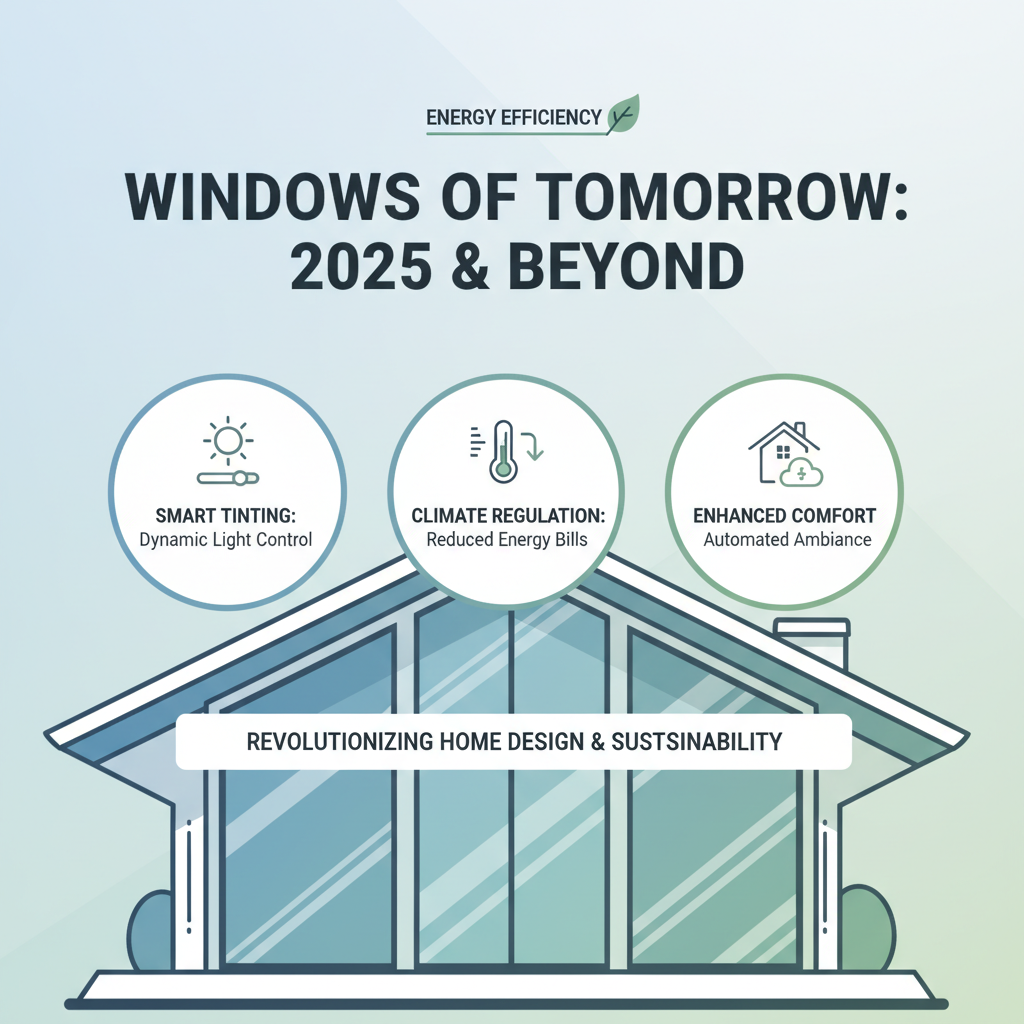
As we approach 2025, several emerging window technologies are poised to revolutionize home designs, enhancing both aesthetics and energy efficiency. Smart windows, equipped with dynamic tinting capabilities, allow homeowners to control the amount of natural light entering their spaces. These windows adjust automatically based on sunlight exposure, helping to regulate indoor temperatures and reduce reliance on air conditioning systems. This not only contributes to energy savings but also creates a more comfortable living environment.
Another noteworthy trend is the integration of advanced insulating materials and triple-glazing techniques. These innovations significantly improve thermal performance, making homes more energy-efficient and reducing heating costs during colder months. Additionally, the use of eco-friendly manufacturing processes and sustainable materials is gaining traction, appealing to environmentally conscious homeowners. As these technologies become more accessible, they will redefine how we think about windows, transforming them from mere structural components into essential elements of modern, sustainable home design.
Sustainable Glass Innovations for Eco-Friendly Home Upgrades
As we move towards 2025, sustainable glass innovations are set to revolutionize home upgrades, significantly impacting energy efficiency and environmental sustainability. According to the Global Glass Industry Report, the demand for eco-friendly glass solutions is expected to rise by 40% over the next five years. This surge is driven by an increasing awareness of climate change and a growing desire for sustainable living. Homeowners are not just looking for aesthetic upgrades; they want materials that lessen their environmental footprint. Double-glazed windows and low-E glass coatings are now more prevalent, helping to reduce heating and cooling costs by an average of 30%.
Tips for homeowners considering an upgrade:
1. Opt for triple-glazed window units, which offer superior insulation and can reduce noise pollution, enhancing comfort levels indoors.
2. Explore the use of smart glass technology that adjusts its tint based on sunlight, minimizing the need for artificial cooling and saving energy in utility costs.
The integration of recycled materials in glass production is another trend gaining traction. Reports indicate that using recycled glass can reduce energy consumption in manufacturing by up to 40%, making it a greener choice for your home. Embracing these sustainable innovations not only enhances your home's value but also contributes to a healthier planet.
Smart Glass Solutions: Enhancing Efficiency and Comfort in Residences
As we look towards 2025, smart glass solutions are poised to transform the way we interact with our living spaces. According to a report by ResearchAndMarkets, the smart glass market is expected to reach $6.8 billion by 2025, driven by the rising demand for energy-efficient residential solutions. These innovative materials not only enhance the aesthetics of homes but also significantly improve energy management, allowing homeowners to reduce their heating and cooling costs by up to 30%.
Smart glass technologies, such as electrochromic and thermochromic glass, enable homeowners to control the amount of light and heat entering their homes with just a touch of a button. A study by MarketsandMarkets indicates that the growing adoption of smart technologies in home automation is a major factor contributing to the surge in smart glass usage. With increased awareness of environmental impact and energy consumption, more homeowners are turning to these solutions to boost comfort while minimizing energy waste, making smart glass an essential upgrade for any modern home.
Stylish Window Styles and Trends to Elevate Home Aesthetics
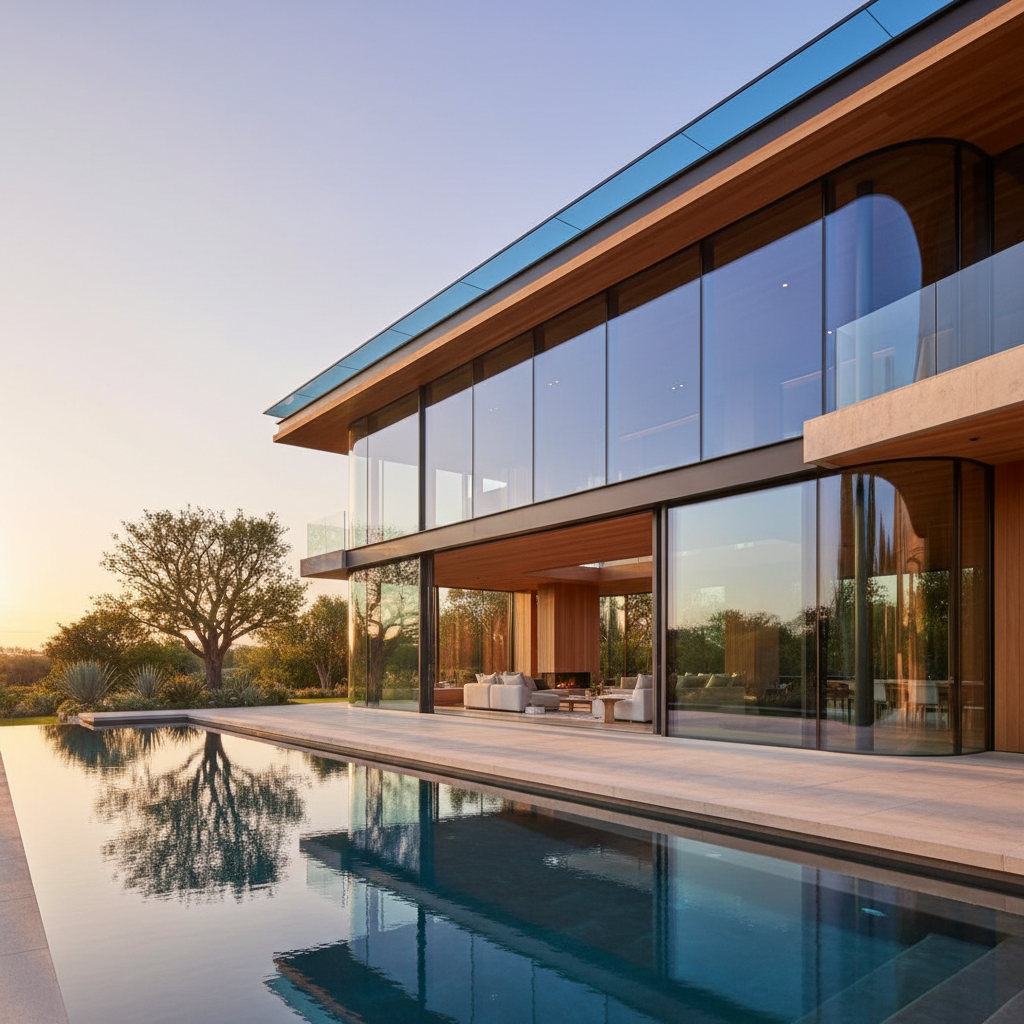
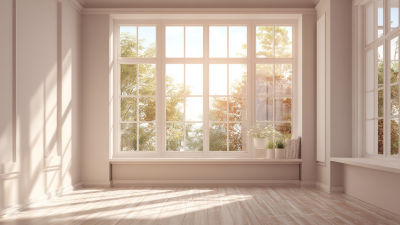
As we look toward 2025, window styles are set to transform the way we interact with our homes, bringing an exciting blend of functionality and aesthetics. One of the most prominent trends is the rise of oversized windows, which not only flood interiors with natural light but also create a seamless connection between indoor and outdoor spaces. This trend emphasizes a more open living experience, blending views of nature with contemporary design. In addition, the use of sleek, minimalist frames allows for unobstructed views, enhancing the overall elegance of any home.
Another trend to watch is sustainable window materials, which are gaining traction as homeowners seek eco-friendly choices. Modern advancements in materials like fiberglass and reclaimed wood are not only appealing in design but also promote energy efficiency. Moreover, innovative smart window technologies that can adapt to weather changes will become increasingly popular, providing homeowners with comfort and convenience. Ultimately, these stylish window trends are set to elevate home aesthetics while promoting a greener approach to modern living.
Energy Efficiency Standards: The Future of Windows and Glass in Homes
As we look forward to 2025, energy efficiency standards will play a pivotal role in shaping the windows and glass industry.
According to the U.S. Department of Energy, windows account for up to 30% of residential heating and cooling energy use.
With rising energy costs and increasing environmental awareness, homeowners are more inclined to invest in energy-efficient window solutions.
The latest advancements include double and triple glazing, low-emissivity (Low-E) coatings, and argon gas fillings, all designed to enhance thermal performance and reduce energy transfer.
Tips: When considering window upgrades, look for products that meet or exceed ENERGY STAR guidelines.
These windows not only provide superior insulation but often qualify for tax credits.
Additionally, opting for frames made from materials like fiberglass or foam-filled vinyl can significantly improve energy efficiency compared to traditional aluminum frames.
Furthermore, emerging trends such as smart glass technology are gaining traction.
This innovative material can dynamically adjust its tint based on sunlight levels, providing increased comfort while reducing reliance on air conditioning.
A recent report by ResearchAndMarkets indicates that the smart glass market is expected to grow by over 20% annually through 2025, highlighting the shift towards more sustainable building practices in residential construction.
Investing in these cutting-edge technologies not only enhances your home's aesthetic appeal but also contributes to long-term energy savings.