Top 10 Windows for Home to Enhance Your Living Space
Windows for home play a crucial role in defining our living spaces. They not only provide natural light but also influence our overall mood. The right windows can transform a dull room into a vibrant oasis. Choosing the best windows can be overwhelming. With so many options available, it's easy to feel lost.
Many homeowners struggle to find a balance between functionality and aesthetics. Some might prioritize energy efficiency over style, while others may focus on the view. Understanding your needs is essential. Think about your lifestyle. Do you prefer a cozy nook or a bright, open space? Consider the architecture of your home. Will new windows complement your design?
In this guide, we’ll explore the top 10 windows for home enhancement. Each option brings unique benefits. Some may allow more light, while others enhance insulation. Reflecting on these choices can inspire better decisions. Your living space deserves windows that truly shine.
Understanding the Importance of Windows in Enhancing Home Aesthetics
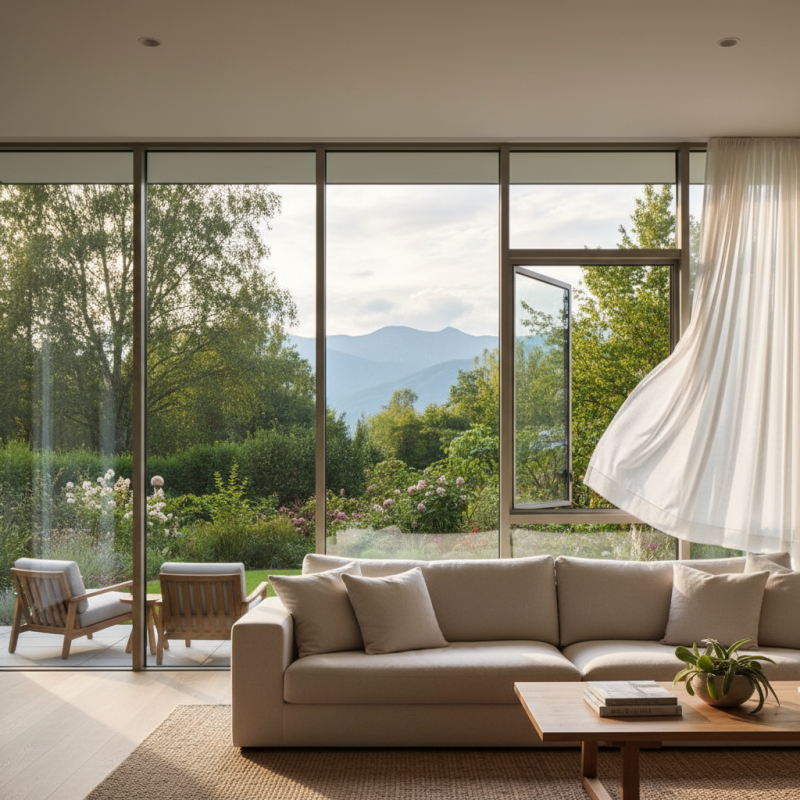
Windows play a crucial role in home aesthetics and functionality. According to a recent report, homes with well-designed windows can see a 15% increase in overall property value. This emphasizes how important it is to choose the right windows for your living space. Not only do windows offer natural light, but they also enhance interior design. A beautifully framed view outside can make a room feel more spacious and welcoming.
Consider this: the color and style of your window frames can impact the feel of a room. Clean, minimalist designs often create a modern atmosphere, while ornate frames can evoke a classic charm. Painters and designers often recommend coordinating window treatments with other fixtures in the room. Textured curtains can add depth. On the flip side, mismatched styles can lead to a cluttered look, which detracts from overall aesthetics.
Tips: Use large windows to invite ample light. It makes spaces appear larger. Think about energy efficiency too. Well-insulated windows can lower energy bills. Lastly, don’t ignore the importance of cleaning your windows. Dirty glass can block out light, diminishing your home's beauty. It’s worth the effort to keep them sparkling.
Key Factors in Selecting Energy-Efficient Windows for Home Use
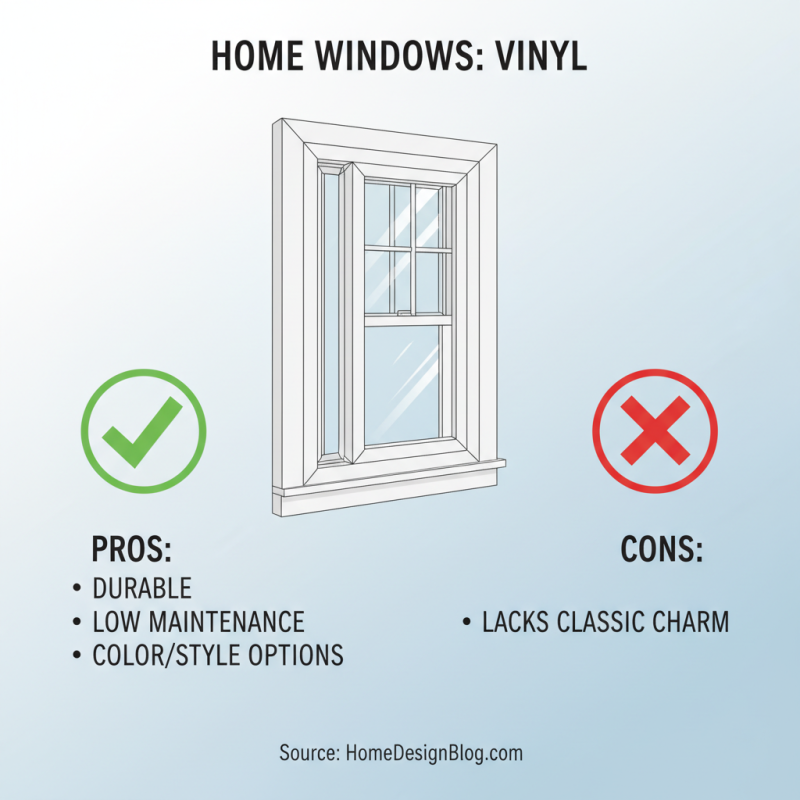
When choosing energy-efficient windows for your home, consider several key factors. The material of the window frames plays a significant role. Options like vinyl, wood, and fiberglass each offer different levels of insulation and maintenance. For instance, vinyl is durable but might not have the same aesthetic appeal as wood.
Another important aspect is the type of glazing. Double or triple glazing can improve insulation significantly. The space between the panes should be filled with argon gas for enhanced energy efficiency. Look for windows that have a low U-factor. A lower U-factor indicates better insulation. Also, check out the SHGC rating. This measures how much solar heat the window allows in.
Remember to assess the installation quality too. Poorly installed windows can lead to air leaks. These leaks impact energy efficiency and increase heating or cooling costs. As you make your decision, reflect on your priorities. You might value aesthetics over efficiency, or vice versa. Each choice comes with trade-offs. The goal is to find a balance that works for your living space. Aim for windows that fit both your design vision and energy-saving goals.
Top 10 Window Styles with Optimal Natural Lighting and Ventilation
Natural lighting and ventilation are essential for a cozy home. Choosing the right windows can drastically improve your living space.
Large picture windows allow sunlight to flood in, creating an inviting atmosphere. They serve as a frame for outdoor views, connecting your interior with nature.
However, they may lack ventilation. This is a common issue for many homeowners.
Casement windows are a great alternative for airflow. They open outward, capturing breezes effectively. However, they can be difficult to clean, especially on upper floors.
It's worth considering their placement.
Sliding windows also provide good ventilation and are easy to operate. They can be a challenge if your wall space is limited.
Architectural windows, like transoms, add style and let in extra light. They work well above doors or standard windows.
Yet, they often require professional installation, which can be costly. Every window style has pros and cons. Choose according to your needs and space.
Finding the perfect balance between light, air, and aesthetics is key for any home.
Material Comparisons: Vinyl vs. Wood vs. Aluminum Windows in Home Design
When it comes to home design, choosing the right windows is crucial. Vinyl, wood, and aluminum each have unique features and drawbacks. Vinyl windows are popular for their durability and low maintenance. They come in various colors and styles. However, they may lack the classic charm that many homeowners desire.
Wood windows offer a timeless appeal. They provide excellent insulation and can be painted or stained to fit any aesthetic. Yet, they require regular maintenance. Over time, wood can warp or rot, especially in humid climates. This might lead to additional repairs and costs.
Aluminum windows are sleek and modern. They are lightweight and resistant to rust. However, they can conduct heat, leading to energy loss. Finding the right balance between aesthetics and practicality is essential. Homeowners should consider their specific needs and environment before making a decision.
Trends in Window Technology: Smart Windows for Modern Living Spaces
Smart windows are revolutionizing modern living spaces. These innovative designs adapt to changing light and temperature. Imagine a room that brightens as the sun rises but dims when the glare is too strong. This helps maintain comfort while saving energy.
The technology behind smart windows is fascinating, yet not perfect. While they offer dynamic control, they can be pricey. Many homeowners might struggle to justify the cost. Additionally, installation may require professionals, leading to complications. Sometimes, the technology can be slow to respond, causing brief discomfort.
Thinking about integrating smart windows? Consider the environmental impact. They can reduce your carbon footprint by enhancing energy efficiency. However, their manufacturing process might not always be eco-friendly. We should reflect on the balance between modern convenience and environmental responsibility.