10 Best Natural Specimen Suppliers for Global Buyers

Choosing a reliable Natural Specimen supplier requires more than attractive photographs and competitive prices. Global buyers need verified provenance, responsible collection practices, stable packaging, and clear documentation. A polished website proves little. The real evidence appears in catalog records, condition reports, export paperwork, and responsive communication.

David Attenborough has often expressed this principle: “No one is going to protect the natural world unless they understand it.” His observation gives this market a useful responsibility. Reputable suppliers should help buyers understand each specimen’s origin, scientific value, conservation status, and handling requirements. They should also explain whether specimens are captive-bred, cultivated, fossilized, naturally shed, or legally collected. These details protect buyers and support ethical trade.

This guide reviews ten Natural Specimen suppliers serving international customers. It considers product quality, identification accuracy, packaging methods, traceability, educational value, and customer support. Some companies may excel in minerals but offer limited biological material. Others may provide excellent documentation yet need stronger international shipping experience. That difference matters.

Look beyond price.

A dependable supplier should answer practical questions before payment. Can the seller provide high-resolution images? Are measurements consistent? Is the specimen packed against vibration, moisture, and temperature changes? Can the company explain relevant customs requirements without promising impossible results? Responsible suppliers will not encourage shortcuts. They will recommend lawful, documented transactions and appropriate permits when required.

The ranking is not absolute. Buyer needs vary. Researchers, museums, educators, collectors, and designers may judge value differently. Still, careful comparison can reduce costly mistakes and encourage a more transparent Natural Specimen marketplace.
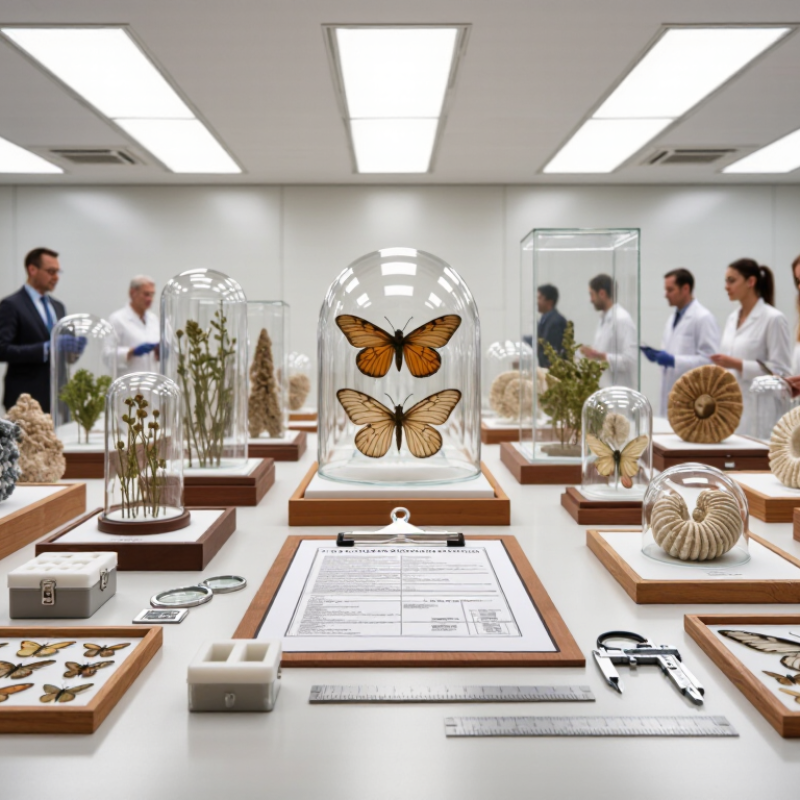
10 Best Natural Specimen Suppliers for Global Buyers

What Natural Specimen Suppliers Provide for Global Buyers

Natural specimen suppliers provide more than attractive samples for global buyers. They offer verified taxonomy, collection locality, collection dates, preservation details, and lot-level photographs. Serious suppliers also explain whether specimens are cultivated, captive-bred, fossilized, or legally collected. This distinction matters. The IPBES Global Assessment estimates that up to one million species face extinction, making traceable sourcing an ethical and commercial requirement.

Reliable suppliers support customs and institutional review with invoices, origin statements, permits, and chain-of-custody records. They should also provide safe packaging, moisture control, material safety information, and replacement procedures for damaged shipments. The Convention on International Trade in Endangered Species database records extensive international wildlife trade, but legal status can vary by species, country, and destination. Buyers need current verification, not assumptions.

Practical evidence is essential. A supplier should match a specimen label with its database entry, showing the scientific name, accession number, and condition notes. For minerals, buyers may request locality data and treatment disclosure. For botanical samples, they may need cultivation records and quarantine documents. Small gaps remain common. A polished certificate can still be incomplete. I would sample-check several lots, confirm destination rules, and request dated photographs before payment. Clear communication, repeatable documentation, and honest limits make suppliers more dependable for museums, educators, researchers, and private collections.

How to Evaluate Quality, Authenticity, and Ethical Sourcing

When evaluating natural specimen suppliers, quality begins with clear handling records. Ask how each item was collected, cleaned, stabilized, and stored. A reputable supplier should provide species identification, dimensions, origin details, and current photographs. Inspect close images for cracks, unnatural gloss, loose fragments, or repeated patterns. These signs may indicate poor treatment or inaccurate descriptions.

Authenticity requires more than a certificate. Compare the specimen with trusted scientific references and request an independent assessment for valuable pieces. Labels should use accepted scientific names, not vague commercial terms. The supplier should also explain testing methods, preservation materials, and known uncertainties. Good documentation matters.

Ethical sourcing needs equal attention. Request a traceable chain of custody, collector information, collection dates, and required export or import permits. Avoid suppliers who hide locations, pressure buyers, or promise rare material without evidence. Responsible vendors respect protected habitats, local communities, and national regulations. Ask whether collection is non-destructive when possible. Not every supplier can answer perfectly. That matters. Missing records do not always prove misconduct, but they should slow the purchase. A small sample, written inspection agreement, and secure packaging plan can reduce risk. Recheck the details. Even experienced buyers can overlook conservation concerns when an unusual specimen appears especially attractive.

10 Best Natural Specimen Suppliers for Global Buyers - How to Evaluate Quality, Authenticity, and Ethical Sourcing

Rank Anonymous Supplier Profile Typical Specimen Categories Quality Evidence to Request Authenticity Controls Ethical and Legal Indicators Export Readiness Best Fit for Buyers
1 Institutional-grade mineral and geological specimen supplier Minerals, crystals, ores, rocks, polished sections Clear scale photographs, dimensions, weight, locality, treatment disclosure, and condition notes Locality records, consistent cataloguing, treatment disclosure, and independent testing for high-value items Mine or collection provenance, lawful acquisition records, and no undisclosed enhancements Commercial invoice, packing list, HS classification support, and durable protective packaging Museums, universities, laboratories, and serious collectors
2 Verified fossil and paleontological specimen supplier Fossils, casts, fossil slabs, invertebrate and plant impressions Preparation history, measurements, restoration disclosure, locality information, and high-resolution images Chain of custody, catalogue number, geological age stated as an estimate, and specialist review where appropriate Legal export documentation, landowner permission, and compliance with source-country fossil laws Customs-ready paperwork and packaging that protects fragile matrix and prepared surfaces Educational institutions, exhibitions, and collectors requiring provenance
3 Botanical herbarium and preserved plant-material supplier Pressed plants, seeds, pods, wood sections, leaves, and educational plant samples Scientific name, collector or collection date, moisture condition, pest inspection, and storage method Specimen label, taxonomic verification, and disclosure of dyed, treated, or artificially preserved material Phytosanitary compliance, invasive-species screening, legal harvesting, and traceable collection location Phytosanitary certificate capability where required and moisture-resistant packing Researchers, schools, designers, and educational distributors
4 Insect and entomological specimen supplier Pinned insects, framed specimens, empty exoskeletons, and educational mounts Species identification, sex or life-stage information, collection date, condition grading, and pest-control method Taxonomic reference, collection permit details, and clear disclosure of captive-bred, farmed, or wild-collected origin CITES screening where applicable, lawful collection permits, and avoidance of protected species Secure mount construction, pest-free packing, and destination-country import review Classrooms, museums, scientific collections, and display buyers
5 Shell and marine natural-history specimen supplier Empty shells, coral fragments, echinoderm tests, and marine educational samples Species name, shell dimensions, cleaning method, damage report, and origin information Verification against accepted taxonomic references and disclosure of bleaching, polishing, dyeing, or reconstruction No live harvest, no protected marine species, legal collection records, and CITES review when relevant Moisture-free packing, accurate customs description, and destination restrictions checked in advance Marine education, décor with documentation, and institutional collections
6 Ethically sourced antler, bone, and natural-material supplier Naturally shed antler, legally sourced bone, horn alternatives, and educational osteology samples Material identification, cleaning and sterilisation method, age or condition notes, and treatment disclosure Source declaration, photographic records, and separation of naturally shed material from hunted or farmed material Animal-welfare policy, legal acquisition records, protected-species screening, and no endangered wildlife material Sanitary handling records, import-permit review, and odour- and moisture-controlled packing Educational, craft, museum, and research buyers requiring animal-origin transparency
7 Taxidermy and study-skin supplier with documented provenance Study skins, skulls, skeletons, taxidermy mounts, and comparative anatomy materials Species and sex identification, preparation date, condition report, pest treatment, and restoration disclosure Collection permit, acquisition history, expert identification, and documentation for every regulated specimen CITES and wildlife-trade compliance, legal origin, and strict exclusion of threatened species without permits Veterinary or sanitary requirements reviewed before shipment and specialised protective packaging Universities, museums, research facilities, and regulated collectors
8 Naturally occurring geological inclusion and amber supplier Amber, fluid inclusions, mineral inclusions, geodes, and micro-specimens Origin, treatment status, UV response where relevant, internal photography, dimensions, and fracture disclosure Microscopic examination, resin or composite disclosure, and independent laboratory testing for valuable pieces Mining-origin documentation, lawful sourcing, and clear distinction between natural and reconstructed material Impact-resistant packaging, accurate material description, and insurance options for high-value shipments Gemological education, research, collectors, and premium specimen buyers
9 Small-scale community and artisan natural-specimen cooperative Locally collected minerals, seeds, plant materials, shells, and non-regulated natural objects Batch photographs, collection-area description, condition grading, quantity consistency, and sample approval Supplier declarations, random third-party checks, and disclosure of mixed or unidentified lots Community benefit-sharing, fair payment records, lawful land access, and sustainable collection limits Export support may vary; buyers should verify permits, packaging standards, and customs documentation before ordering Boutique retailers, ethical designers, and buyers seeking traceable small batches
10 Digital catalogue and custom sourcing specialist Mixed minerals, fossils, botanical materials, shells, and educational specimen sets Pre-shipment inspection, approved reference sample, written specifications, batch photographs, and acceptance criteria Supplier-network records, independent inspection, serial or batch tracking, and full treatment disclosure Written sourcing policy, CITES and phytosanitary screening, origin documentation, and supplier audits Consolidated shipping, commercial documentation, packaging specifications, and claims procedure Importers, educational distributors, retailers, and buyers needing multiple specimen categories
Buyer verification note: Requirements vary by species, specimen type, source country, and destination country. Before purchasing, verify applicable CITES rules, phytosanitary or sanitary requirements, protected-species restrictions, import permits, treatment disclosures, and chain-of-custody records. A supplier profile should be considered reliable only when supporting documents match the actual specimen and shipment.

The 10 Best Natural Specimen Suppliers Worldwide

The 10 Best Natural Specimen Suppliers Worldwide

Choosing among the 10 best natural specimen suppliers worldwide requires more than attractive photographs. Experienced buyers examine provenance, specimen identity, condition, and legal documentation. A reliable supplier should explain where each mineral, fossil, shell, or preserved botanical sample originated. Clear records build trust.

Professional suppliers usually provide detailed invoices, locality data, measurements, and treatment disclosures. For protected materials, buyers should request export permits and relevant conservation documents. Packaging also matters. A fragile ammonite needs fitted foam, while a crystal may require double boxing and moisture protection. I have found that careful packing often prevents more losses than a lower purchase price can justify.

Communication reveals practical expertise. Suppliers who answer questions about restoration, staining, fractures, or previous repairs are easier to assess. Some catalogs look polished but provide surprisingly little evidence. That is a warning. Global buyers should compare photographs under natural light, request current images, and confirm shipping insurance before payment. Customs rules differ widely, even for ordinary-looking specimens. A shell or fossil may seem harmless, yet its origin can require additional review.

No supplier is perfect. I would treat unusually cheap pieces with caution, while remembering that high prices do not guarantee authenticity. Independent appraisal can help with rare or valuable items. Ethical sourcing remains essential: specimens should come from lawful collections, licensed excavation, responsible harvesting, or documented scientific exchange. Good suppliers accept careful questions without pressure. That small detail matters.

Shipping, Documentation, and Import Requirements by Region

For global buyers, specimen shipping begins with accurate identification. Record the scientific name, common name, country of origin, quantity, and intended use. Add clear photographs before packing. Customs officers may question vague descriptions such as “natural sample.” A precise commercial invoice helps. So does a detailed packing list. Use sturdy, clean packaging with moisture protection. Fragile mineral pieces need separate wrapping. Botanical materials may require dryness certificates or phytosanitary documents.

Import rules differ by region. The European Union often requires species information, origin evidence, and permits for regulated materials. The United States may request entry permits, treatment records, or agriculture declarations. Many Asia-Pacific destinations examine plant, soil, shell, and animal-derived materials closely. Some products also need CITES documentation when protected species could be involved. Check the destination authority before payment. A customs broker can confirm tariff codes and inspection procedures. Do not rely only on the supplier’s older paperwork.

Reliable suppliers should provide traceable records, not impressive promises. Ask for legal sourcing statements, batch references, and document samples. Confirm whether the shipping label matches the invoice exactly. A small mismatch can delay clearance. Temperature-sensitive specimens may need insulated packaging, but excessive sealing can trap condensation. That detail is easy to miss. Even experienced buyers sometimes overlook return rules after customs rejection. Requirements change, and regional guidance may remain unclear. Keep written confirmation from the relevant authority, then review it before every shipment.

10 Best Natural Specimen Suppliers for Global Buyers

Shipping, documentation, and import requirements by region

The chart shows the number of document categories buyers commonly need to verify before importing natural specimens: commercial invoice, packing list, customs declaration, import permit, CITES documentation where applicable, and phytosanitary or sanitary certification where applicable. Requirements vary according to species, conservation status, country of origin, specimen condition, and destination-country regulations.

How Global Buyers Can Select the Right Supplier for Their Needs

When selecting a natural specimen supplier, global buyers should look beyond attractive photographs. I have learned that clear provenance matters more than polished catalogs. Ask where each specimen was collected, when it was prepared, and who handled it. Reliable suppliers provide consistent records, export documents, and lawful sourcing statements. Vague answers deserve caution.

Product condition needs equal attention. Request recent photographs under natural light, including labels, edges, and packaging. For fragile shells, minerals, or botanical samples, ask about cushioning, humidity control, and temperature exposure during transit. A professional supplier should explain acceptable variation in color, size, and texture. Nature is not factory-perfect. That difference should be documented, not hidden.

Communication reveals operational experience. Test the supplier with a small, clearly specified order before committing to volume. Confirm lead times, replacement procedures, payment terms, and customs responsibilities in writing. Check whether their packing method has protected similar specimens on long routes. I once underestimated moisture risk in a sealed package; the outer box arrived dry, but the contents changed. That mistake still shapes my inspection checklist.

Buyers should also examine references from comparable markets and verify business registration through trustworthy public records. Independent inspection may be worthwhile for high-value shipments. A low price can conceal weak documentation, unstable quality, or expensive delays. Choose the supplier whose evidence remains clear when questions become detailed.

About Us

Andy’s Glass & Window Company of Temecula Valley has been servicing the glass, window and door needs of Southern California since the 1970′s. Operating from a 10,700sf commercial building in Murrieta, California, a neighboring town of Temecula.

Contractor’s License #821172

Andy’s Glass & Window Company

25751 Jefferson Ave, Murrieta, CA 92562

(951) 677-7421

sale@johnsonwindowtint.com

Store Hours:
Monday - Thursday 8:00 am - 5:00 pm
Friday 8:00 am - 4:30 pm
Closed Saturday & Sunday

Visit Us

Contact Information
Andy's Glass & Window Company