Top Residential Doors and Windows Features You Should Know?
When it comes to residential doors and windows, knowing their features can greatly enhance your home. These elements are not just about aesthetics; they play crucial roles in security, energy efficiency, and comfort. A well-chosen door or window can boost curb appeal and even increase property value.
Many homeowners overlook the importance of quality materials and energy ratings. Residential doors and windows should be durable, insulative, and appealing to the eye. For example, a fiberglass door offers strength and better insulation. Meanwhile, double-glazed windows can significantly reduce energy bills over time.
However, not everyone is aware of the varying options available. Many make hasty choices without understanding the long-term benefits. Researching the features of residential doors and windows is necessary to avoid costly mistakes. It’s worth taking the time to reflect on what best fits your lifestyle and enhances your living space. Choosing wisely will lead to a more comfortable and energy-efficient home.
Key Factors to Consider When Choosing Residential Doors and Windows
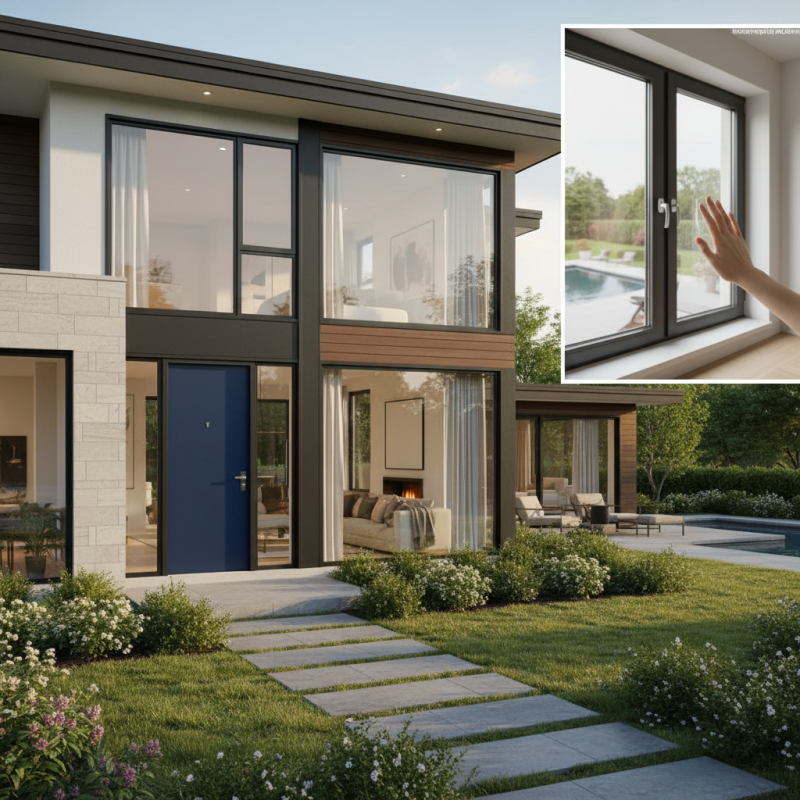
When choosing residential doors and windows, several key factors come into play. Energy efficiency stands out. According to a 2022 report from the U.S. Department of Energy, up to 30% of residential heating energy escapes through inefficient windows. Opting for double or triple-glazed windows can significantly reduce energy bills. Look for windows with a low U-factor, ideally below 0.30, to ensure better insulation.
Security is another vital aspect. Data from the National Institute of Justice indicates that around 66% of burglars enter through doors. Reinforced frames and advanced locking mechanisms can deter unwanted intruders. Consider opting for materials like fiberglass for doors and impact-resistant glass for windows. These materials offer better strength without sacrificing aesthetics.
Aesthetics and curb appeal also matter. Research from the National Association of Realtors found that homes with attractive front doors can increase property values by 4-6%. Color, style, and finish can create a lasting impression. However, many homeowners often overlook these details. Balancing appearance and functionality is essential. Selecting the right doors and windows requires careful consideration of these factors to create a safe, stylish, and energy-efficient home.
Popular Materials Used for Residential Doors and Windows
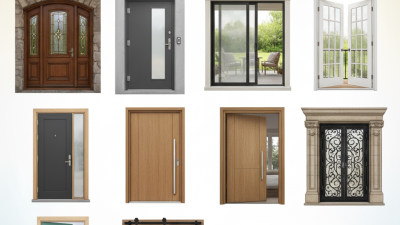
When it comes to residential doors and windows, materials play a crucial role in both functionality and aesthetics. Wood, vinyl, fiberglass, and metal are the most used materials. Each has unique benefits and drawbacks. According to a recent study by the National Association of Realtors, over 60% of homeowners prefer wood for its classic look, even if it requires regular maintenance.
Vinyl is gaining popularity due to its low upkeep. It offers a wide range of colors and styles. However, some buyers express concerns over its longevity in extreme weather conditions. A survey found that 75% of homeowners believe energy efficiency is crucial. Windows and doors made of fiberglass can provide high insulation values. They don’t warp or crack, but their higher price point may deter some.
Interestingly, metal doors, often associated with security, face challenges. Many homeowners find them less appealing for design flexibility. Furthermore, 40% feel they can lack adequate thermal performance. It’s important to weigh aesthetics against durability. Choosing the right material requires careful consideration of climate, budget, and personal style preferences. Balancing these factors is essential for making informed decisions.
Energy Efficiency Features in Modern Doors and Windows
When choosing modern doors and windows, energy efficiency is crucial. Many designs use double or triple glazing. This feature reduces heat loss significantly. Improved insulation keeps homes warmer in winter. A tightly sealed unit prevents drafts. This detail can drastically lower energy bills.
Another consideration is the material used. Vinyl and fiberglass frames often offer better insulation compared to traditional wood. These materials resist moisture and temperature changes well. However, some might find the appearance less appealing. This leads to a dilemma between aesthetics and efficiency.
Natural light is another factor to contemplate. Large windows can brighten a space. They can also increase heat gain during summer months. Balancing natural light and energy savings requires careful planning. Homeowners should weigh the pros and cons of different features for their specific locations.
Safety and Security Features for Residential Door and Window Selection
When selecting residential doors and windows, safety and security are paramount. A report from the Bureau of Justice Statistics notes that over 2.5 million burglaries occur in the U.S. annually, emphasizing the need for robust security features. Properly secured doors and windows are the first line of defense against intruders. Consider options like multi-point locking systems that engage multiple locks with a single turn of the handle. These systems provide increased resistance against forced entry.
In addition, impact-resistant glass is gaining attention. Studies show that windows made with this glass can reduce break-ins by up to 70%. This technology not only deters burglars but also protects from severe weather. Homeowners should also think about weak points. Sliding doors and windows often have traditional latches that can be easily compromised. Adding auxiliary locks can reinforce these vulnerable areas.
Investing in additional security measures, like surveillance cameras or smart locks, is becoming common for many homeowners. These features provide peace of mind and elevate overall living standards. It’s important to reflect on your current security measures and think about whether they truly meet your needs. Safety doesn't have to be an afterthought; making informed choices can significantly enhance the security of your home.
Aesthetic Trends in Residential Doors and Windows You Should Be Aware Of
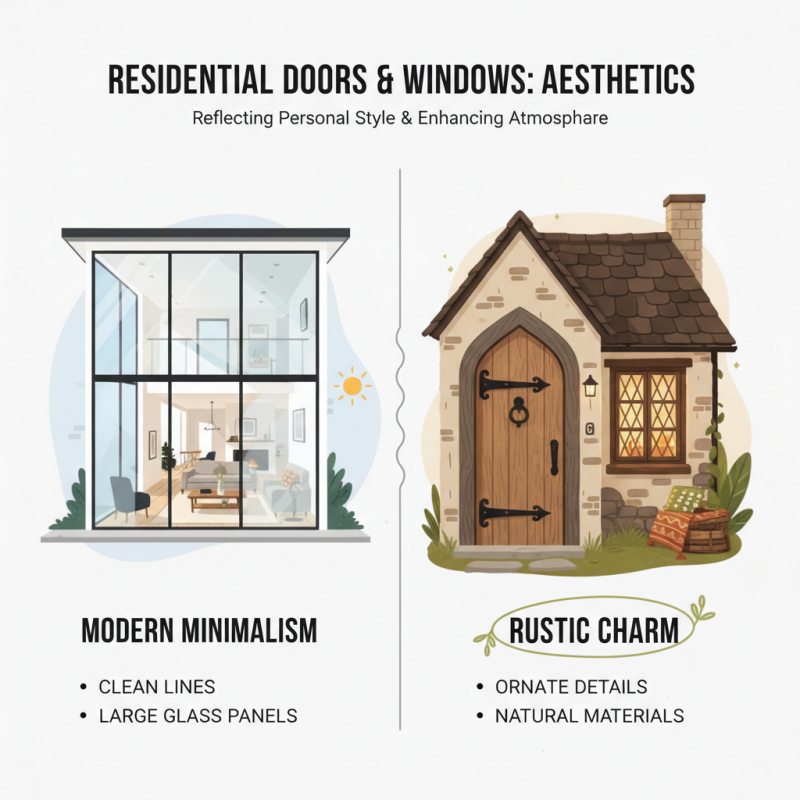
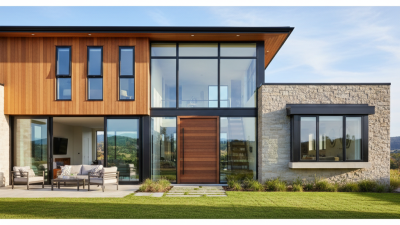
When it comes to residential doors and windows, aesthetics play a crucial role. Homeowners increasingly seek designs that reflect personal style. This might range from modern minimalism to rustic charm. Clean lines and large glass panels are popular trends. These features invite natural light into spaces, enhancing the overall atmosphere.
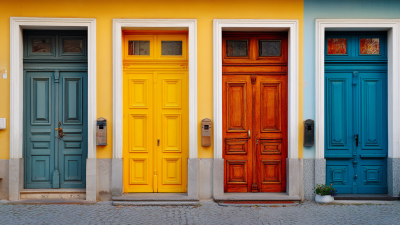
Color choices are also evolving. Neutral tones remain staples, but bold colors are gaining traction. Shades like deep green or navy blue can make a statement. Textured finishes, like wood grain, offer both beauty and warmth. Additionally, unique hardware can add personality. Noticing the small details can elevate a home’s exterior presence significantly.
Many homeowners struggle to balance style and functionality. Some doors look spectacular but lack durability. Windows may be beautiful but fail in energy efficiency. These reflections ensure designs not only inspire but also serve practical needs. The challenge lies in finding pieces that harmonize beauty and purpose, a pursuit worth exploring.