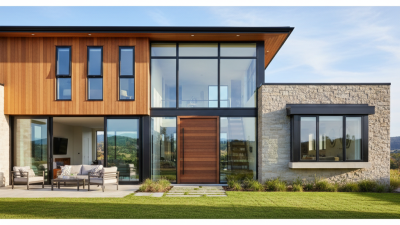
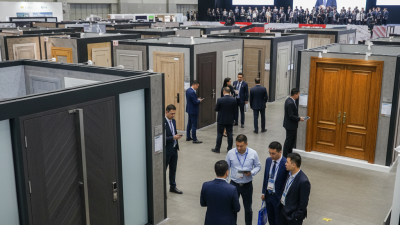
As we approach 2026, the "home glass" industry is evolving dramatically. Leading expert, Dr. Emily Carter, emphasizes, “The future of home glass lies in sustainability and innovation.” This insight sets the stage for upcoming trends that promise to redefine our living spaces.
Sustainability is at the forefront of home glass developments. Manufacturers are prioritizing eco-friendly materials and processes. This shift not only benefits the environment but also attracts conscious consumers. However, many homeowners still struggle to choose the right glass solutions that align with their values and aesthetics.
In terms of design, the aesthetics of home glass are transforming. Frameless glass and multi-functional glass are becoming more popular. These features enhance natural light and create open spaces. Yet, some homeowners remain hesitant, fearing maintenance challenges or costs. As we explore these trends, we must reflect on the balance between innovation and practicality in our homes.
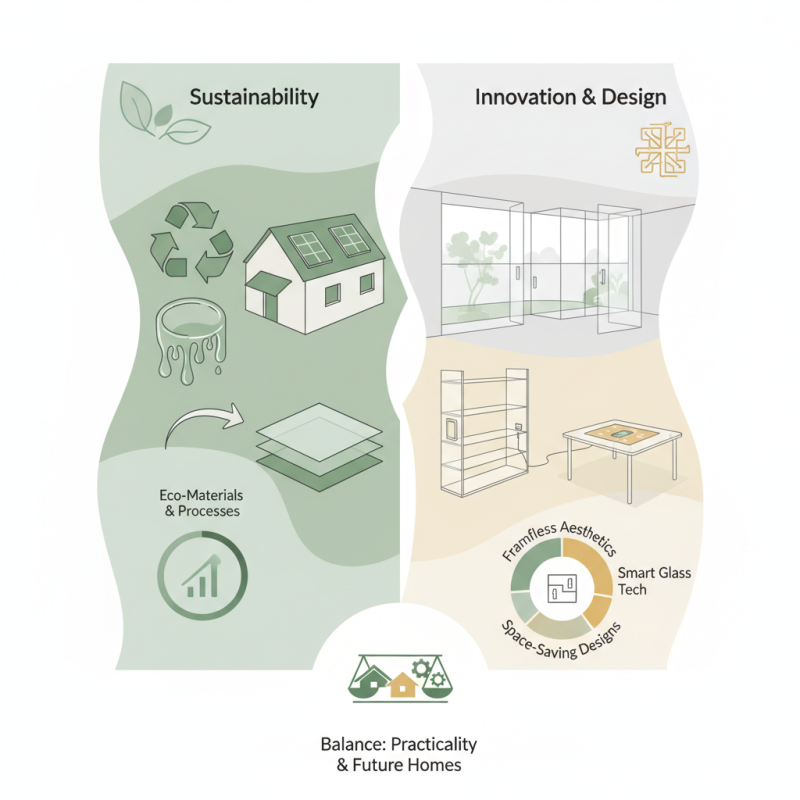
As we head toward 2026, eco-friendly glass materials are set to redefine home design. These innovative materials not only enhance aesthetic appeal but also minimize environmental impact. For instance, recycled glass is gaining traction. It's versatile, durable, and can be used in countertops or decorative accents. Homeowners appreciate its unique texture and variety of colors.
Then there’s low-emissivity glass. It reflects heat while allowing natural light to enter. This helps regulate indoor temperatures, reducing energy consumption. Architects are increasingly incorporating this into their designs. It’s a practical solution that also provides a sleek, modern look. However, the cost can be higher. Homeowners need to consider long-term benefits versus initial expenses.
Another trend is smart glass. It can change transparency at the touch of a button. Although this technology is still evolving, it offers exciting possibilities for lighting control and privacy. Yet, not all projects offer the budget for such advancements. We have to weigh the benefits against available resources. Ultimately, eco-friendly glass materials are shaping a more sustainable future for our homes.
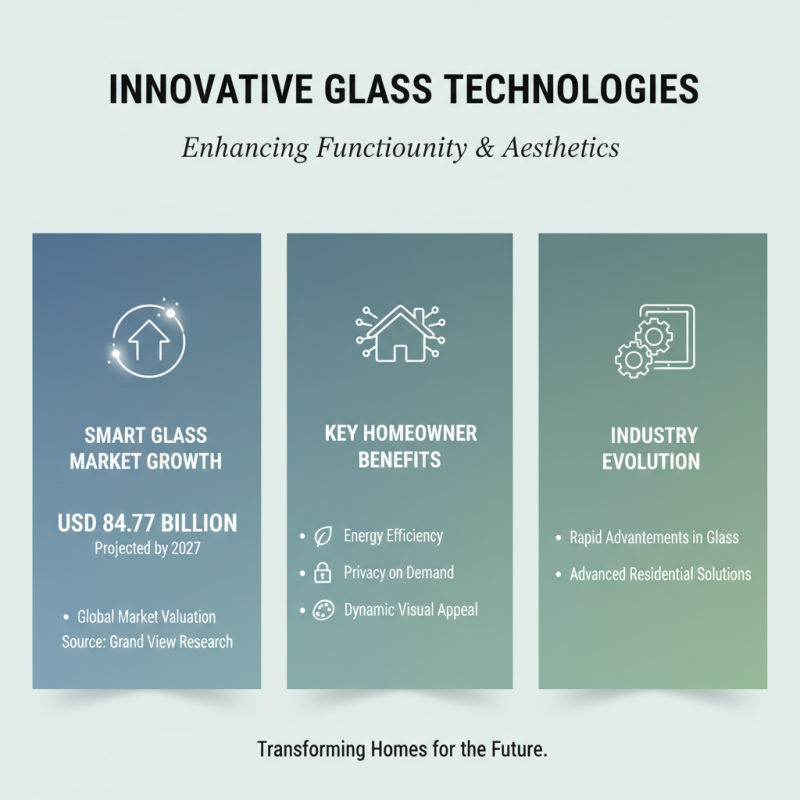
The home glass industry is evolving rapidly, with innovative technologies enhancing both functionality and aesthetics. According to a recent report by Grand View Research, the global smart glass market is projected to reach USD 84.77 billion by 2027, reflecting a growing demand for advanced glass solutions in residential settings. Homeowners are increasingly seeking options that offer energy efficiency, privacy, and dynamic visual appeal.
One key trend is the integration of smart glass technologies. These products can change their opacity in response to light or electricity, offering privacy at the touch of a button. This creates versatile spaces, allowing natural light when desired, while ensuring seclusion when needed. This functionality not only improves comfort but also contributes to energy savings by reducing reliance on artificial lighting.
Tips for incorporating smart glass into your home: Choose products that are easy to install and maintain. Consider your local climate, as this may influence performance. Also, assess compatibility with existing home systems for seamless integration.
Another exciting aspect is the aesthetic potential of decorative glass. Specialty finishes and textures can transform standard glass into eye-catching focal points. As per the latest industry reports, decorative glass in homes is gaining traction, particularly in areas like shower enclosures and kitchen backsplashes. This trend enhances the visual narrative of spaces, inviting creativity and personal expression.
When selecting decorative glass, explore various styles. Be prepared for the balance between visual appeal and functionality. A less durable finish may require more frequent replacements, impacting the long-term budget. Key considerations should include maintenance, safety, and coherence with other design elements in your home.
As we move towards 2026, glass finishes are evolving significantly. Matte, textured, and colored options are at the forefront of design trends. A recent industry report highlights that 45% of interior designers prefer matte finishes for their subtle elegance. This finish reduces glare and provides a soft touch that complements modern aesthetics.
Textured glass is gaining popularity as well, offering tactile experiences in home design. Data shows that up to 30% of homeowners are opting for textured finishes. This trend not only enhances visual appeal but also masks fingerprints and smudges, addressing practical concerns. The tactile quality offers a unique interaction in spaces, from shower doors to feature walls.
Colored glass finishes are also making a comeback, with a 25% increase in demand. Homeowners are seeking vibrant and bold options to express personality and creativity. However, there are challenges in maintaining these finishes. While color can elevate a space, it may require more effort to coordinate with other design elements. Choosing the right glass finish involves weighing aesthetics against practicality.
Smart glass solutions are transforming home design by incorporating technology into everyday living. This innovative material allows homeowners to control transparency, tint, and light. Imagine a living room that can shift from bright and open to cozy and private at the touch of a button. Homes now can adapt to the changing needs of residents, creating a dynamic environment.
The integration of smart glass goes beyond aesthetics. It enhances energy efficiency, helping to regulate indoor temperatures. Smart glass can reduce glare and block harmful UV rays, creating comfortable spaces. It also aids in privacy without sacrificing natural light. However, there are challenges in implementation and cost. Homeowners must weigh the benefits against the investment.
Choosing the right technology is crucial. Options vary widely, and not all solutions fit every home. Homeowners should consider their lifestyle needs and long-term plans. Consulting with design experts can provide valuable insights. Balancing innovation with practicality is key to successful home upgrades. This evolving field invites reflection on how our living environments can adapt to future demands.
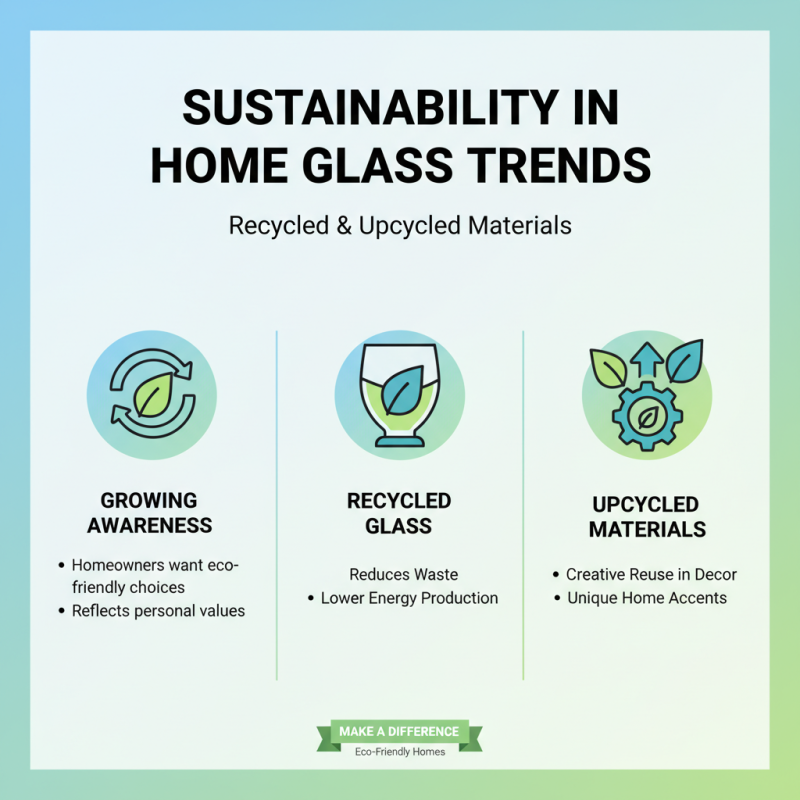
The trend of sustainability in home glass is growing rapidly. Recycled and upcycled materials are gaining attention. Homeowners are increasingly aware of their choices. They want their homes to reflect their values. Using glass from recycled sources is one way to achieve this. It reduces waste and the energy needed for production.
Upcycled glass products are also becoming popular. These items often have unique designs. They bring character to spaces. Additionally, the use of upcycled glass supports local artisans. Many skilled craftspeople are turning discarded glass into beautiful pieces. It’s a win-win situation for both the environment and creativity.
However, challenges remain. Not all recycled glass is safe for home use. Homeowners should vet their sources carefully. Quality control is crucial in these projects. Sustainability should not compromise safety. Home glass trends, while exciting, require thoughtful implementation to ensure they truly benefit our environment. Balancing aesthetics and sustainability is a journey worth taking.