How to Choose the Best Windows and Glass for Your Home?
When it comes to enhancing your home, the choice of windows and glass is critical. Expert Mark Johnson, a veteran in the windows and glass industry, once said, "The right windows and glass can transform a house into a home." Selecting the perfect options for your space involves looking beyond aesthetics.
Consider energy efficiency, durability, and performance. Poor choices can lead to drafts, increased energy bills, and an uncomfortable living environment. Beyond that, the type of glass can influence safety and noise reduction. For instance, triple-glazed windows can offer superior insulation, though they may be costlier.
Reflecting on your needs is vital. It’s easy to get caught in trends, overlooking practicality. Are you prioritizing natural light, or is privacy a concern? Explore various designs and functionalities. The right balance will not only enhance your home’s appeal but also improve your quality of life. Making informed decisions about windows and glass will ultimately lead to a more comfortable, efficient, and inviting space.
Understanding Different Types of Windows: A Comprehensive Overview
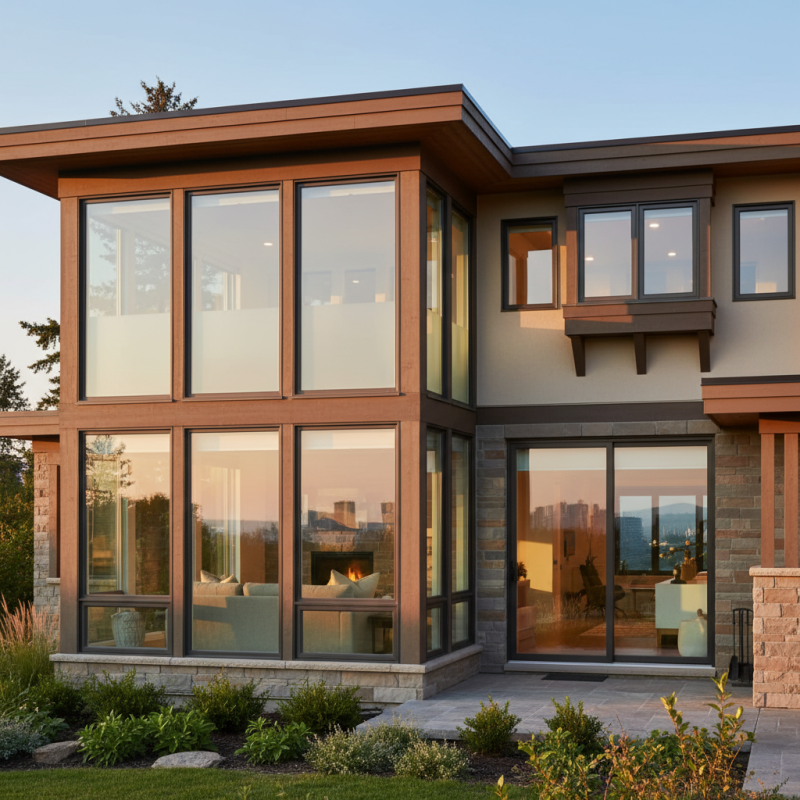
When selecting windows for your home, understanding the different types is crucial. Windows come in various styles, such as casement, double-hung, and sliding. Each design has unique energy efficiency ratings and aesthetic appeal. According to a report from the U.S. Department of Energy, windows account for up to 30% of heat loss in homes. Thus, choosing energy-efficient glass can significantly reduce heating and cooling costs.
Tip: Consider the U-factor rating. A lower U-factor indicates better insulation. For instance, triple-glazed windows typically have lower U-factors than single-glazed options. In climates with severe weather, impact-resistant windows may be necessary to prevent damage. These features are worth evaluating, as the initial investment in high-quality windows can lead to long-term savings.
Different types of glass also play a significant role in window performance. Low-e glass reduces UV light penetration while maintaining natural light. This can help protect furniture and flooring from fading. However, it's essential to balance aesthetics and functionality. Not every glass type will suit every style, and personal preferences matter. Take time to visually assess options, as your comfort and satisfaction at home are what count most.
How to Choose the Best Windows and Glass for Your Home? - Understanding Different Types of Windows: A Comprehensive Overview
| Window Type |
Material |
Energy Efficiency |
Cost Range |
Maintenance Level |
| Double-Hung Windows |
Vinyl, Wood, Aluminum |
High |
$300 - $800 |
Low |
| Casement Windows |
Wood, Fiberglass, Vinyl |
Very High |
$400 - $1000 |
Medium |
| Sliding Windows |
Vinyl, Aluminum |
Moderate |
$300 - $700 |
Low |
| Awning Windows |
Vinyl, Wood, Aluminum |
High |
$350 - $800 |
Medium |
| Picture Windows |
Vinyl, Aluminum |
High |
$500 - $1200 |
Low |
Evaluating Glass Options: Energy Efficiency and Insulation Properties
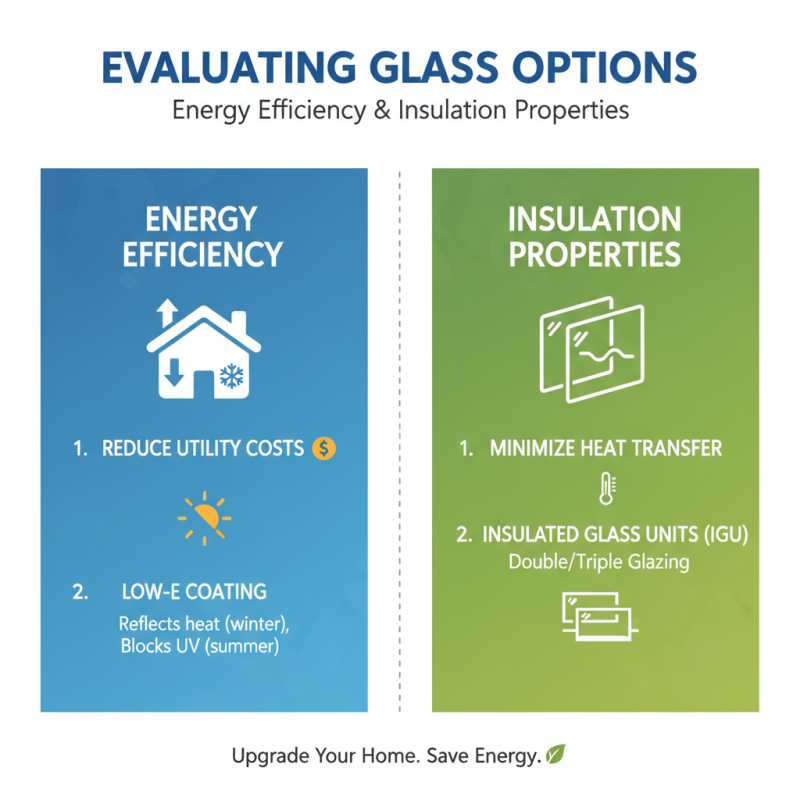
When selecting windows and glass for your home, energy efficiency is crucial. High-performance glass can significantly reduce heating and cooling costs. Look for double or triple glazing with a low-emissivity (Low-E) coating. This coating helps keep heat inside during winter and blocks harmful UV rays in summer. Proper insulation properties are equally important. Insulated glass units (IGUs) are designed to minimize heat transfer.
Another consideration is the type of frame material. Vinyl, wood, and fiberglass frames provide different levels of insulation. Vinyl frames typically offer good thermal performance at a reasonable cost. However, wood frames, while beautiful, may require more maintenance and could be less energy-efficient over time. Think about the long-term implications. It’s essential to balance aesthetics and function in your decision.
Additionally, not every home suits every type of glass. Regional climates can affect performance. For example, homeowners in warmer areas may prioritize solar control glass. Be prepared to explore various options. Researching local energy codes can provide guidance. Consulting with professionals can help you make an informed choice. The right combination of windows and glass can enhance your home’s comfort and energy efficiency.
Considerations for Window Style: Aesthetic and Functional Choices
Choosing the right window style is crucial for enhancing your home’s aesthetic appeal and functionality. According to a report by the American Institute of Architects, over 35% of homeowners prioritize the appearance of windows when renovating. Windows define a home's character. Different styles can evoke varied emotions and significantly impact curb appeal.
When considering functionality, energy efficiency stands out. Reports highlight that about 25-30% of home heating and cooling losses can be traced to windows. Selecting double or triple-pane glass can reduce this loss, improving comfort. Patio doors or sliding windows often have large glass areas, maximizing natural light. Yet, they may lack insulation compared to smaller, more traditional window styles.
Homeowners must also reflect on maintenance. For example, wooden frames require regular painting and care. In contrast, vinyl or fiberglass options can be more durable and easier to maintain. It's essential to weigh these factors seriously. The best choice merges beauty with long-term practicality, and there’s no one-size-fits-all solution. Each window style presents its unique advantages and challenges in terms of care and energy efficiency.
How to Choose the Best Windows and Glass for Your Home?
Assessing Durability and Maintenance: Longevity of Windows and Glass
When selecting windows and glass for your home, durability is a key factor. The lifespan of windows varies significantly. For instance, vinyl windows typically last 20 to 40 years, while wood windows may need replacement after just 15 to 30 years. A report by the American Architectural Manufacturers Association notes that proper maintenance can extend the life of these materials.
Maintenance is equally critical in preserving the longevity of your windows and glass. Regular inspections and cleaning can prevent moisture buildup, which leads to mold and frame deterioration. According to the Glass Association of North America, maintaining your windows can enhance performance by up to 25%. However, homeowners must remember that even with care, some materials might show signs of wear.
Ill-fitted windows often lead to air leaks, reducing energy efficiency. This can drive up heating and cooling costs, leading to frustration. A study by the Efficient Windows Collaborative found that energy-efficient windows can save homeowners 7-15% on energy bills. This emphasizes the importance of choosing the right materials and ensuring they are installed correctly.
Installation and Cost Factors: Budgeting for Your Home Improvement Project
When planning a home improvement project, understanding installation and cost factors is crucial. Windows and glass selection can greatly impact your budget. Higher quality materials often come with a higher price tag. Installation costs can vary based on window type and complexity. Hiring experienced professionals typically ensures better results but may inflate your budget.
Consider the long-term savings that energy-efficient windows can provide. While the upfront costs may be higher, lower energy bills can offset these during the years. Take time to get multiple quotes. This allows for a better comparison of services and costs. Be cautious, as the cheapest option may not always mean the best quality.
Think about your specific needs and lifestyle. For instance, if you live in a noisy area, investing in soundproofing glass might be worthwhile. Reflect on how much you can realistically afford without compromising too much on quality. Balancing immediate costs against future benefits requires careful thought. Take your time in this decision-making process to ensure it aligns with both your budget and your needs.