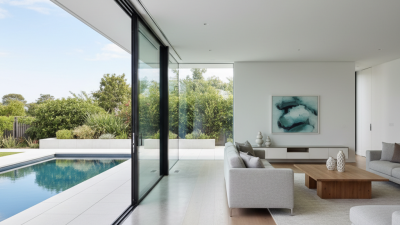
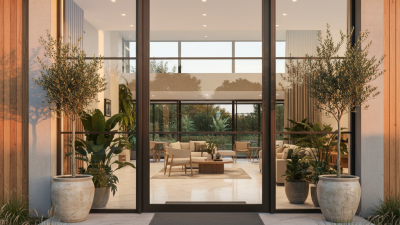
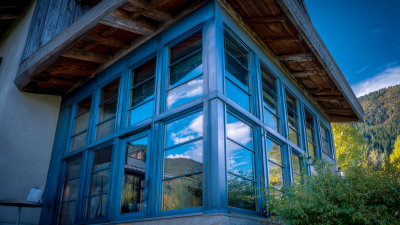
When considering a home upgrade, the choice of glass doors can significantly influence both aesthetics and functionality. Recent industry reports indicate that the trend towards incorporating glass doors in residential designs has surged, with a remarkable 30% increase in installation over the past five years. This rise highlights the growing appreciation for natural light and seamless indoor-outdoor transitions that glass doors can provide. Moreover, the National Association of Home Builders reports that homes featuring glass doors can achieve a 10% higher resale value, making them a strategic investment for homeowners looking to enhance their property’s appeal.
Selecting the right glass doors involves several crucial factors, including style, energy efficiency, and material. Industry experts emphasize the importance of choosing energy-efficient models that can reduce heating and cooling costs significantly—up to 30% as reported by the U.S. Department of Energy. Furthermore, advancements in glass technology offer a variety of options ranging from tempered to low-emissivity glass, allowing homeowners to tailor their choice to both their design aesthetic and energy-saving goals. With a multitude of styles and functionalities available, understanding how to choose the best glass doors for your home upgrade is essential to achieving both visual appeal and practical benefits.
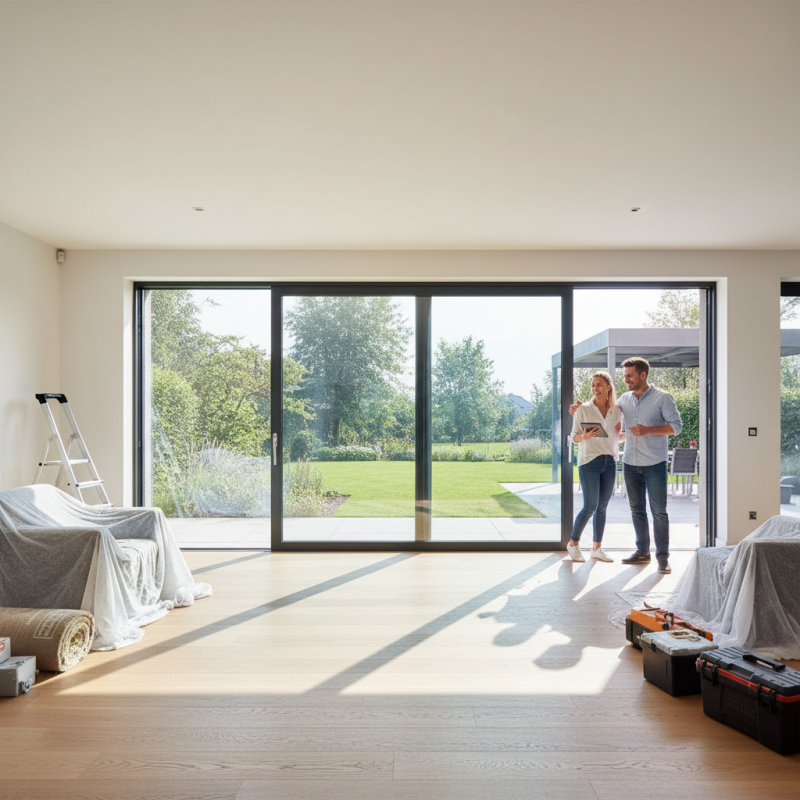
When it comes to upgrading your home, choosing the right glass doors is crucial not only for aesthetics but also for energy efficiency and security. The primary types of glass doors used in residential settings include sliding doors, French doors, bi-fold doors, and pocket doors. According to the American Institute of Architects, the demand for glass doors has surged by over 30% in the past five years as homeowners seek to enhance natural light and improve indoor-outdoor flow.
Sliding glass doors are particularly popular for their space-saving design and ease of access, making them ideal for patios and balconies. Additionally, French doors offer a classic look and can serve as a stylish entry point between rooms or to the outdoors. Reports from the National Association of Home Builders indicate that the energy-efficient variants of these doors, equipped with special coatings and double glazing, can reduce heating and cooling costs by up to 20%. Bi-fold doors have also gained traction due to their ability to create expansive openings that can transform living spaces, seamlessly connecting interiors to the exterior landscape.
In choosing the best glass doors for your home, it’s essential to consider not only the style but also the glass type, frame material, and energy ratings. The Energy Star program suggests looking for doors with a lower U-factor and Solar Heat Gain Coefficient (SHGC) to maximize efficiency. By aligning your choice with these guidelines, you can enhance your home's comfort while also contributing to energy savings.
When choosing glass doors for your home upgrade, evaluating the material and durability is crucial. The primary materials used for glass doors include tempered glass, laminated glass, and low-E glass. Tempered glass is known for its strength and safety, as it is heat-treated to withstand high pressure and is less likely to break. If it does break, it shatters into small, blunt pieces rather than sharp shards, making it a safer choice for families with children or pets.
Laminated glass, on the other hand, consists of two or more layers of glass bonded together with a plastic interlayer. This not only improves its strength but also provides enhanced sound insulation and UV protection. Laminated glass is ideal for exterior doors or areas where noise reduction is essential. Low-E glass, which has a special coating, offers excellent energy efficiency by reflecting heat back into the home during winter and keeping it out during summer. This can lead to significant savings on heating and cooling costs over time.
Durability also depends on factors like frame material and maintenance requirements. Aluminum frames are lightweight and resistant to corrosion, while vinyl frames offer excellent insulation and minimal upkeep. Additionally, selecting high-quality weatherstripping can enhance the lifespan and performance of your glass doors. By thoroughly assessing these elements, you can ensure that your glass doors not only elevate your home’s aesthetic but also stand up to the test of time and climate.
When selecting glass doors for your home upgrade, energy efficiency and insulation are crucial factors to consider. Glass doors can significantly impact your home's overall energy use. Opting for double or triple-pane glass can enhance insulation, reducing heat transfer during winter and keeping your home cool during summer. This layered approach not only minimizes energy consumption but also helps maintain a comfortable indoor environment year-round.
Another aspect of energy efficiency is the choice of frame materials. Frames made from vinyl or fiberglass tend to offer better insulation properties compared to traditional metal frames, which can conduct heat more easily. Additionally, look for doors that feature Low-E (low emissivity) coatings, which reflect infrared light while still allowing natural light to enter. This technology enhances the door's thermal performance, further contributing to energy savings and reducing heating and cooling costs. By considering these factors, you can choose glass doors that not only enhance the aesthetics of your home but also promote a more energy-efficient living space.
| Door Type | Energy Efficiency Rating | Insulation Value (R-Value) | Material | Average Cost |
|---|---|---|---|---|
| Sliding Glass Door | Low to Moderate | 2.5 - 3.0 | Vinyl | $800 - $1,200 |
| French Doors | Moderate to High | 3.0 - 4.0 | Wood | $1,200 - $2,000 |
| Bi-Fold Doors | High | 4.0 - 5.0 | Aluminum | $1,500 - $3,000 |
| Patio Doors | Moderate | 2.0 - 3.2 | Fiberglass | $700 - $1,500 |
| Swing Doors | Moderate to High | 3.5 - 4.5 | Vinyl/Steel | $900 - $1,800 |
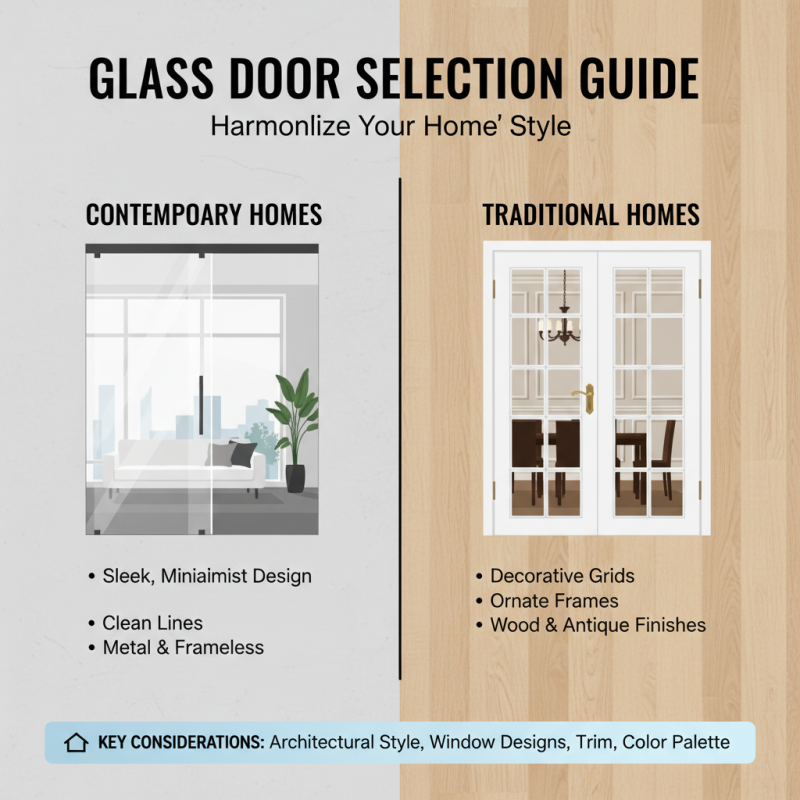
When selecting glass doors for your home, the style and design should complement the overall aesthetics of your space. Consider the architectural style of your home; contemporary homes benefit from sleek, minimalist glass doors, while traditional homes might look better with doors that have decorative elements, such as grids or antique finishes. Pay attention to how the door's design interacts with other features in your home, like window styles, trims, and color palettes. Harmonizing these elements creates a cohesive look that enhances your home's charm.
**Tips:** Before making a decision, visualize how different styles will appear in your home. Utilize design software or apps that allow you to experiment with various door designs in digital renderings of your rooms. Additionally, consider the purpose of the door; sliding glass doors can maximize natural light and create a seamless transition to outdoor spaces, while bi-fold doors can offer flexibility and an open feel.
Another crucial aspect is to think about the finish and hardware. Choose finishes that resonate with your existing décor, whether it's brushed nickel for a modern vibe or oil-rubbed bronze for a classic touch. Don’t overlook the importance of functional hardware; selecting handles and locks that match your style can elevate the overall appearance and ensure usability aligns with your daily needs.
When it comes to installing glass doors in your home, proper installation and maintenance are key to ensuring longevity and efficiency. According to the National Association of Home Builders, around 70% of homeowners prefer glass doors not only for their aesthetic appeal but also for the natural light they bring into a space. To achieve optimal results during installation, make sure to measure your door frame accurately and choose tempered glass to enhance safety and durability.
Once your glass doors are installed, maintenance becomes essential to keep them looking pristine and functioning well. Regular cleaning is necessary; a mixture of mild soap and water can effectively remove dust and fingerprints without damaging the glass. Furthermore, the Glass Association of North America recommends checking the seals and frames annually for any signs of wear or damage. Regular inspections can help prevent moisture intrusion, which can compromise the insulating properties of your doors and lead to costly repairs. Following these tips ensures your glass doors remain a stunning and functional feature of your home for years to come.