Why You Should Choose Energy Efficient Windows for Your Home
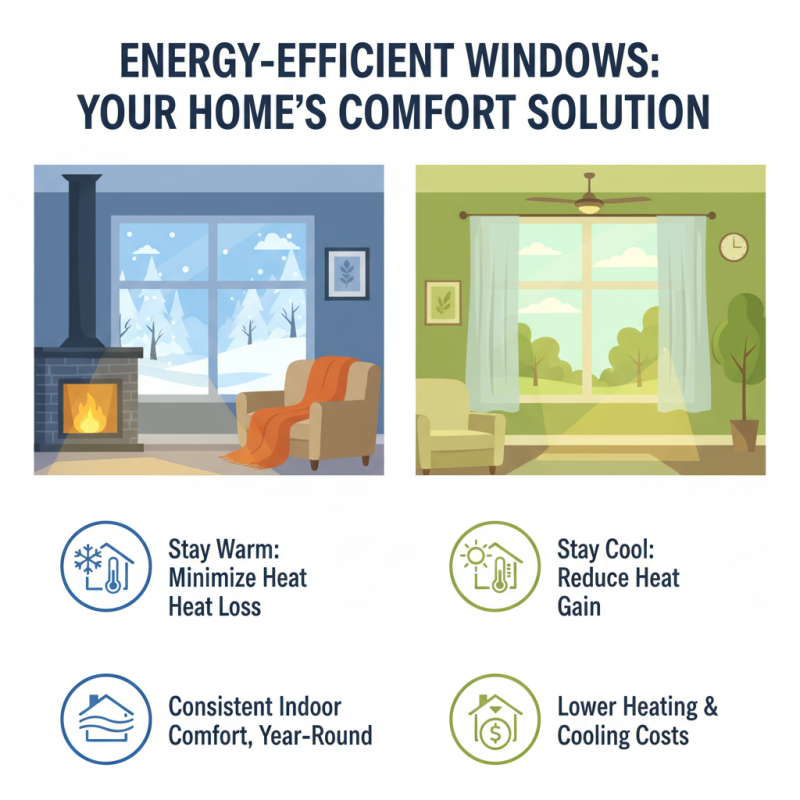
In the quest for a more energy-efficient and sustainable living environment, choosing the right windows for your home can make a significant difference. Energy-efficient windows not only help in reducing energy consumption but also enhance the overall comfort and aesthetic appeal of your living space. These windows are designed to minimize heat transfer, ensuring that your home remains warm in the winter and cool in the summer, which can lead to substantial savings on heating and cooling costs.
Moreover, the advancements in window technology have made it possible to find energy-efficient options that cater to a variety of styles and preferences. By investing in quality windows for your home, you are not only contributing to a reduced carbon footprint but also improving the resale value of your property. As more homeowners recognize the benefits of energy-efficient upgrades, making informed choices about the windows you select can pave the way for a greener, more cost-effective future. Embracing this upgrade is not just an option; it's a wise investment in the longevity and efficiency of your home.
Benefits of Energy Efficient Windows for Homeowners
Energy efficient windows offer numerous advantages for homeowners, significantly impacting energy savings and overall comfort. According to the U.S. Department of Energy, energy-efficient windows can reduce energy bills by an estimated 7-15% annually. This decrease in energy consumption not only leads to lower utility costs but also contributes to a reduced carbon footprint, aligning with sustainable living practices.
Additionally, energy-efficient windows help maintain consistent indoor temperatures by minimizing heat loss in the winter and reducing heat gain in the summer. The National Fenestration Rating Council (NFRC) reports that homes equipped with high-performance windows can experience a reduction in HVAC usage by up to 30%. This not only enhances comfort levels but also extends the lifespan of heating and cooling systems, resulting in fewer repairs and longer-term savings for homeowners.
Furthermore, many energy-efficient windows come with added benefits such as UV protection, which helps preserve furniture and flooring from sun damage. The Environmental Protection Agency (EPA) indicates that by investing in energy-efficient building materials, homeowners can enhance both the aesthetics and the value of their properties. Overall, choosing energy-efficient windows is a smart decision that brings immediate financial benefits while promoting a sustainable future.
Why You Should Choose Energy Efficient Windows for Your Home
| Benefit |
Description |
Potential Savings |
Environmental Impact |
| Reduced Energy Bills |
Energy efficient windows help keep your home warm in winter and cool in summer, reducing heating and cooling costs. |
Up to 30% reduction in energy bills |
Lower carbon footprint |
| Increased Comfort |
Maintaining a more consistent indoor temperature contributes to overall comfort in your home. |
N/A |
Improved indoor air quality |
| UV Protection |
Low-emissivity (Low-E) glass blocks harmful UV rays, protecting your furnishings and interiors from fading. |
Extended lifespan of furniture |
Fewer resources needed for replacements |
| Noise Reduction |
Energy efficient windows often have better sound insulation, leading to a quieter home environment. |
N/A |
Enhances quality of life |
| Increased Home Value |
Homes with energy efficient features often sell faster and at higher prices. |
Potential increase of 10-15% in home value |
Promotes sustainable homeownership |
Energy Savings: Reducing Utility Bills with Efficient Windows
Choosing energy-efficient windows for your home not only enhances comfort but also significantly contributes to reducing utility bills. According to the U.S. Department of Energy, energy-efficient windows can save homeowners an average of 12% on their energy bills. By reducing heating and cooling costs, these windows provide a notable return on investment over time. Particularly in regions with extreme temperatures, the energy savings can be even more pronounced, further lowering the overall expenditure on utilities.
In addition to immediate cost savings, energy-efficient windows contribute to a more sustainable environment. The Energy Information Administration reports that residential buildings account for about 20% of total energy consumption in the United States. By upgrading to windows with better insulation and lower solar heat gain coefficients, homeowners can not only lessen their individual energy usage but also positively impact collective energy demand. Furthermore, with an increasing emphasis on green building practices, energy-efficient windows can enhance the overall value of a property, making them a wise choice for both financial savings and environmental stewardship.
Impact on Home Comfort: Temperature Regulation and Noise Reduction
Choosing energy-efficient windows is a pivotal decision in enhancing your home's overall comfort. One of the most significant benefits of these windows is their ability to regulate indoor temperatures, ensuring that your living space remains cozy in winter and cool during summer months. By minimizing heat transfer, energy-efficient windows help maintain a steady temperature inside your home, which can lead to a more pleasant living environment, fewer fluctuations, and less reliance on heating and cooling systems.
In addition to temperature control, energy-efficient windows also play a crucial role in noise reduction. The materials and construction of these windows often include multiple panes of glass and specialized coatings, which effectively block outside noise. This feature is particularly beneficial for homes located in busy urban areas or near highways, where intrusive sounds can disrupt daily life. By investing in these windows, you create a quieter and more serene home atmosphere.
Tips for selecting the right energy-efficient windows include: First, consider opting for windows with a high insulating value, such as those with Low-E (low emissivity) coatings and argon gas fills. Second, make sure to check the window's air leakage rating to ensure minimal drafts. Lastly, invest in professional installation to guarantee that the windows function optimally; even the best windows can underperform if not installed correctly.
Environmental Benefits: Lowering Carbon Footprint with Energy Efficiency
Investing in energy-efficient windows is not just a smart choice for homeowners; it’s a vital step towards reducing one’s carbon footprint. Traditional windows can lead to significant energy loss due to poor insulation, resulting in increased reliance on heating and cooling systems. By upgrading to energy-efficient models, you not only enhance the comfort of your home but also contribute to environmental preservation. These windows are designed to minimize heat transfer, ensuring that less energy is consumed throughout the year.
Tips: When selecting energy-efficient windows, consider features such as double or triple glazing and frames with low thermal conductivity. Such specifications can drastically improve your home’s energy performance while decreasing your reliance on nonrenewable energy sources.
The benefits extend beyond the individual level; widespread adoption of energy-efficient windows can contribute significantly to lowering greenhouse gas emissions. As homeowners make the switch, the collective impact is substantial—reducing overall energy consumption and promoting a more sustainable future for our planet.
Tips: Look for local incentives or rebates that may be available for energy-efficient upgrades, which can help offset initial costs and encourage more eco-friendly choices within your community.
Choosing the Right Energy Efficient Windows for Your Home
When it comes to choosing the right energy-efficient windows for your home, understanding various features and materials is essential. Look for windows that have a high Energy Star rating, as they are designed to provide better insulation and reduce heating and cooling costs. Double or triple glazing can significantly improve thermal performance, preventing heat transfer between the interior and exterior of your home. Additionally, low-emissivity (Low-E) coatings can enhance this insulation by reflecting heat back into your home during the winter while keeping it out during the summer.
Another important factor to consider is the frame material. Frames made of vinyl, fiberglass, or wood can all offer excellent energy efficiency, but they vary in maintenance and aesthetic appeal. Vinyl frames are low-maintenance and energy-efficient, while wood frames provide natural beauty and thermal insulation but may require more upkeep. Ensure that the windows are properly sealed and installed; gaps or poor installation can negate the benefits of energy-efficient windows. Ultimately, selecting the right windows involves balancing aesthetics, performance, and maintenance to suit your specific needs and preferences.
Energy Efficiency Ratings of Different Window Types
This chart illustrates the U-values of various types of windows, where lower U-values indicate better energy efficiency. Choosing windows with lower U-values can significantly improve your home's energy efficiency.