How to Choose the Best Glass and Windows for Your Home in 2025
When it comes to enhancing the aesthetics and functionality of your home, choosing the right glass and windows is crucial. With advancements in technology and design emerging in 2025, homeowners are presented with a variety of options that not only improve energy efficiency but also elevate the overall look of their living spaces. Understanding the different types of glass and windows available can make all the difference in creating a comfortable and stylish environment.
In making this important decision, it's essential to consider factors such as insulation properties, UV protection, and noise reduction capabilities. Each type of glass and window frame offers unique benefits that cater to specific needs and preferences. As trends evolve towards sustainability, many homeowners are now seeking eco-friendly materials that contribute to a greener living space. By exploring these options, homeowners can achieve both practical and aesthetic goals.
By the end of this guide, you will be equipped with the knowledge needed to navigate through the plethora of glass and window solutions on the market. Whether you're planning a renovation or building a new home, making informed choices about glass and windows will ensure that your selections add lasting value and comfort to your home.
Understanding the Different Types of Glass for Home Use
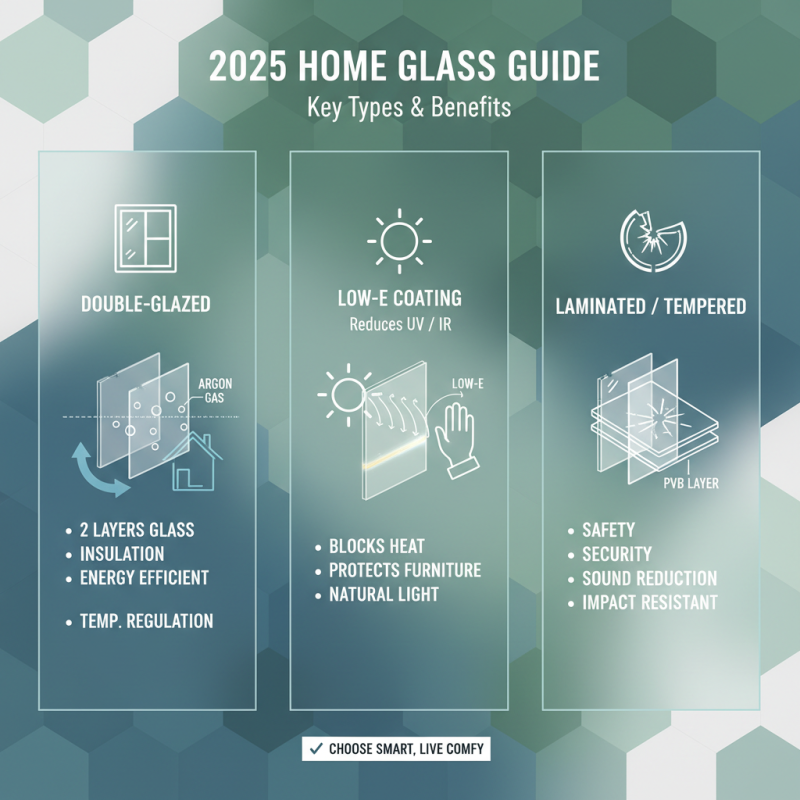
When selecting glass for your home in 2025, understanding the various types available is crucial for making the best choice. There are several options, each with distinct features that cater to different needs and preferences. For instance, double-glazed windows, which consist of two layers of glass separated by a space filled with gas, offer excellent insulation properties. They reduce heat loss, enhance energy efficiency, and help maintain a comfortable indoor temperature year-round.
Another type to consider is laminated glass, which is composed of two or more layers of glass bonded together with a plastic interlayer. This option not only provides enhanced security but also offers sound insulation, making it ideal for homes situated in noisy areas. Additionally, tempered glass is a popular choice due to its strength and safety features. It is created through a heating and cooling process that makes it more resistant to impacts and thermal stress, breaking into small, less harmful pieces rather than sharp shards. Understanding these types of glass and their advantages will empower homeowners to make informed decisions that align with their specific needs and preferences.
Evaluating Thermal Performance and Energy Efficiency in Windows
In 2025, selecting the right glass and windows for your home will increasingly hinge on their thermal performance and energy efficiency. Homeowners should consider products that feature advanced insulating glazing technologies, such as double or triple glazing, which significantly reduce heat transfer. The type of gas used between the panes—be it argon or krypton—can also enhance insulation, making your home more comfortable across seasons and reducing reliance on heating and cooling systems.
When evaluating window options, pay attention to the U-factor, which measures the rate of heat transfer; lower values indicate better insulation. Additionally, consider the Solar Heat Gain Coefficient (SHGC), which indicates how much sunlight is absorbed. This balance is essential for maintaining a consistent indoor temperature and minimizing energy bills.
Tips: Look for Energy Star ratings and certifications to ensure you are choosing windows that meet high energy efficiency standards. Additionally, consider window treatments like low-emissivity coatings to further enhance thermal performance without compromising natural light. Lastly, involve a professional to assess your home’s specific needs and ensure optimal placement and installation of windows for maximum energy efficiency.
Exploring Styles and Aesthetics of Modern Window Designs
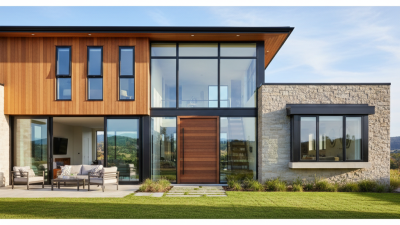
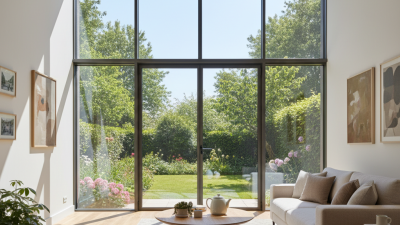
When exploring the styles and aesthetics of modern window designs in 2025, it's essential to consider how these elements not only enhance the visual appeal of your home but also contribute to energy efficiency and sustainability. According to the Global Fenestration Association, approximately 40% of residential energy consumption is linked to heating and cooling, underscoring the importance of selecting windows that blend style with functionality. Modern designs emphasize larger glass surfaces that maximize natural light while incorporating advanced glazing technologies that provide superior insulation and UV protection.
The trend towards minimalist aesthetics has grown significantly, with sleek frames and expansive views at the forefront of modern window design. Architectural firms report that nearly 67% of homeowners prefer casement and picture windows for their clean lines and unobstructed views. Additionally, biophilic design principles are influencing the market; windows that blur the line between indoor and outdoor spaces not only enhance the home's aesthetic appeal but also promote well-being by connecting inhabitants with nature. As homeowners seek to create serene and inviting environments, the integration of innovative materials and streamlined designs will play a critical role in shaping the future of residential windows.
How to Choose the Best Glass and Windows for Your Home in 2025
| Window Style |
Material |
Energy Efficiency Rating |
Aesthetic Appeal |
Average Cost (per unit) |
| Double-Hung |
Vinyl |
A+ |
Classic |
$250 |
| Sliding |
Aluminum |
A |
Modern |
$300 |
| Casement |
Wood |
A++ |
Rustic |
$400 |
| Picture |
Fiberglass |
A++ |
Contemporary |
$500 |
| Awning |
Vinyl |
A+ |
Traditional |
$350 |
Determining Safety and Security Features in Glass and Windows
When selecting glass and windows for your home in 2025, prioritizing safety and security features is crucial. The latest data from the Glass Association indicates that nearly 25% of residential burglaries occur through windows, making it essential to choose products that provide robust security. Laminated glass, for example, combines two or more layers of glass with interlayer materials, significantly increasing impact resistance. A report by the National Glass Association highlights that using laminated glass can reduce the risk of break-ins by up to 60% compared to standard single-pane options.
Additionally, safety should extend beyond burglary prevention to include protection against accidents. According to a study conducted by the American Society for Testing and Materials (ASTM), safety glass, which includes tempered and laminated variants, can reduce the likelihood of injury in the event of breakage. These types of glass are designed to shatter into small, less harmful pieces rather than sharp shards, effectively minimizing injury risk for children and pets in the household. As safety standards evolve, integrating these advanced materials into your home becomes not just a choice but a necessity for creating a secure living environment.
Budgeting and Costs: Finding Affordable Options Without Compromising Quality
When selecting glass and windows for your home, budgeting is a critical factor that can significantly influence your decisions. To find affordable options without compromising quality, start by establishing a clear budget tailored to your home’s specific needs. Consider not just the upfront costs, but also long-term expenses, such as energy efficiency and maintenance. Look for products that offer the best balance between quality and cost, ensuring that you’re investing in durable materials that will withstand the test of time.
Explore various materials and styles to suit your budget. Vinyl and fiberglass frames often provide excellent insulation at a lower cost compared to wood while still offering aesthetic appeal. Additionally, energy-efficient windows may come at a slightly higher initial price but can lead to substantial savings on energy bills in the long run. Don't overlook local suppliers and manufacturers, as they may offer competitive prices and less costly installation options. By doing thorough research and comparing various designs and materials, you can uncover affordable solutions that meet your budgetary constraints without sacrificing quality.
Window and Glass Type Cost Comparison for 2025