How to Choose the Best Glass Windows for Your Home?
Choosing the right glass windows for home is a crucial decision. Windows greatly influence comfort, energy efficiency, and the overall aesthetic of your house. With many options available, it can feel overwhelming. Each type of window has unique features and benefits that cater to different needs.
Consider energy efficiency as a primary factor. Selecting windows with good insulation can significantly reduce heating and cooling costs. Think about the climate in your area. Temperatures can vary widely, so the right glass can make a notable difference. Look for double or triple glazing properties for better performance.
Don't forget the style and design. Your windows should complement your home’s architecture. A mismatch can lead to an uninviting look. Additionally, remember to factor in maintenance. Some materials require more upkeep. Reflecting on these details will ensure you make a well-informed choice. Ultimately, selecting the best glass windows for home is about balancing aesthetics, efficiency, and practicality.
Factors to Consider When Selecting Glass Windows for Your Home
When selecting glass windows for your home, consider energy efficiency. Windows with double or triple glazing offer better insulation. This reduces heating and cooling costs. Look for models with low-emissivity (Low-E) coating. It reflects heat while allowing light in, ensuring comfort year-round.
Next, think about aesthetics. The style of the window should complement your home’s architecture. Consider the frame material as well. Wood, vinyl, and aluminum each have unique appeals and maintenance needs. If you want a classic look, wooden frames are a great choice. However, they require more upkeep.
Don’t overlook safety features. Tempered glass is stronger than regular glass. It’s less likely to shatter, which can provide peace of mind. Also, look for secure locking mechanisms. These details may seem small but play a huge role in the overall value and safety of your home windows. Be honest about your priorities. Are you leaning more towards aesthetics or durability?
Types of Glass Windows: Comparing Materials and Styles
When considering glass windows, the type of material and style matters greatly. Different materials offer unique benefits. Vinyl frames are energy-efficient and affordable. They require minimal maintenance, making them a popular choice. On the other hand, wood frames provide an elegant look and excellent insulation. However, they demand more upkeep.
Comparing styles is equally essential. Casement windows open outward, offering better ventilation. Sliding windows are ideal for small spaces, as they do not intrude into the home. Bay windows create a striking architectural feature, enhancing both interior and exterior beauty. Each style serves its own purpose and can change the overall feel of a room.
It's crucial to reflect on your home's needs. Energy efficiency might be a priority, especially in extreme climates. Think about aesthetics too. Does the window style match your home’s architecture? Each choice impacts your space. Sometimes, the perfect solution isn’t straightforward. Balancing function with beauty can be challenging.
Energy Efficiency Ratings: What to Look for in Windows
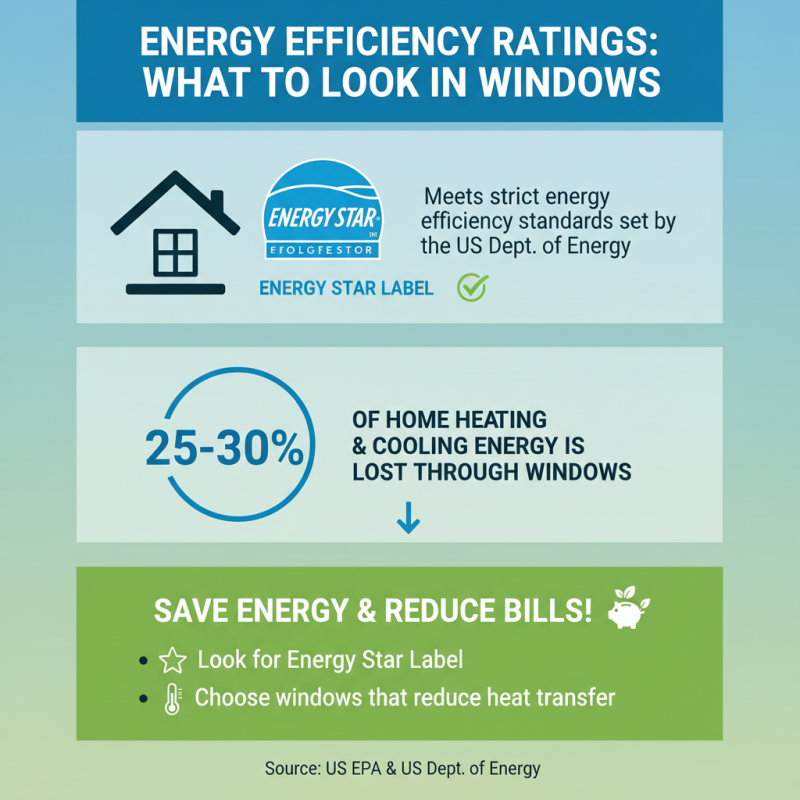
When choosing glass windows for your home, energy efficiency is essential. Look for the Energy Star label, which indicates that the windows meet strict energy efficiency standards set by the U.S. Department of Energy. According to the U.S. Environmental Protection Agency (EPA), windows can account for 25-30% of heating and cooling energy use in homes. This highlights the importance of selecting windows that help you save energy and reduce utility bills.
Pay attention to the U-factor and Solar Heat Gain Coefficient (SHGC) ratings. The U-factor measures how well a window insulates. A lower U-factor means better insulation. The SHGC indicates how much solar heat enters your home. Look for windows with a lower SHGC if your area has hot summers. A study by the National Fenestration Rating Council states that high-performance windows can lead to energy savings of up to 30%.
Tip: Consider double or triple glazing for maximum efficiency. These windows often feature gas fills between panes, enhancing thermal performance. Additionally, low-emissivity (low-E) coatings can reflect heat back inside during winter and keep heat out during summer. Another consideration is the frame material; fiberglass and vinyl tend to offer better insulation than aluminum. This information can lead to informed decisions, ensuring energy-efficient upgrades that benefit your home long-term.
Glass Window Features: Understanding Safety and Security Options
When selecting glass windows for your home, safety and security features are crucial. Different types of glass offer varying levels of protection. For instance, tempered glass is stronger than standard glass. It shatters into tiny pieces upon breakage, reducing the risk of injury. Laminated glass, on the other hand, holds together when broken, providing added security against intruders.
Tips: Always consider the local climate. Extreme weather can affect window performance. Ensure your windows are installed correctly to maximize safety features.
Look into the locking mechanisms of your windows. High-quality locks can deter a potential thief. Multi-point locking systems are a great option for securing sliding glass doors. Their effectiveness often exceeds that of standard locks. It's often easy to overlook the importance of these features.
Another aspect to reflect on is the installation process. An ill-fitted window might compromise safety. Gaps can allow unauthorized entry and energy loss. Consulting with experienced professionals in window installation is a wise step. They can ensure proper fitting and enhance security measures in your home.
Installation and Maintenance Tips for Long-Lasting Windows
When choosing glass windows, proper installation is key for longevity. Ensure you hire skilled professionals who understand the specific requirements of your home. Poor installation can lead to drafts and moisture problems. It’s essential to use the right seals and insulation techniques during the process.
Here are a few tips for maintaining your windows: Regularly clean both the glass and frames to prevent dirt buildup. This simple step helps to maintain clarity and extends lifespan. Check for any wear or damage, especially around the seals. Addressing minor issues promptly can help avoid costly repairs.
Another critical aspect is to inspect the caulking yearly. Reapply where necessary to minimize air leaks. Promoting good ventilation can also reduce condensation, which is crucial in humid climates. These practices will help keep your windows functioning well for many years.
How to Choose the Best Glass Windows for Your Home? - Installation and Maintenance Tips for Long-Lasting Windows
| Window Type |
Material |
Energy Efficiency |
Maintenance Level |
Lifespan (Years) |
| Double-Hung |
Vinyl |
High |
Low |
20-25 |
| Casement |
Wood |
Medium |
Medium |
15-20 |
| Sliding |
Aluminum |
Medium |
Low |
15-20 |
| Awning |
Fiberglass |
High |
Medium |
20-30 |
| Fixed |
Vinyl |
High |
Low |
25-30 |