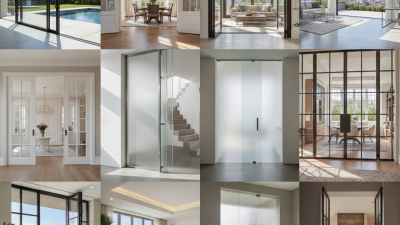
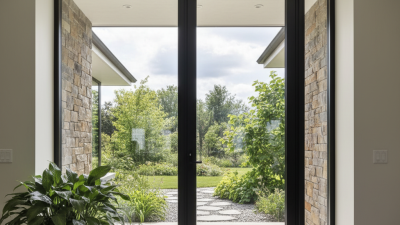
China’s glass for doors industry serves residential, commercial, hospitality, and architectural projects worldwide. Buyers now expect safety, energy efficiency, and consistent customization. The International Energy Agency reports that buildings account for around 30% of global final energy consumption. That figure explains growing interest in low-E coatings, insulated glass, and solar-control solutions for entrance doors.
China remains a major glass manufacturing hub, supported by mature float-glass capacity and extensive processing networks. Reports from the China National Bureau of Statistics and China Building Materials Federation track substantial output across flat glass and construction materials. However, output alone does not prove reliability. A factory may offer attractive pricing but lack stable tempering, edge finishing, or export documentation. That detail matters.
This buyers guide examines leading Chinese manufacturers through practical criteria. These include glass composition, heat-treatment quality, lamination performance, coating durability, tolerances, packaging, and after-sales support. Experienced buyers should request test reports, sample approvals, production photographs, and batch records. Look for compliance with standards such as EN 12150, EN 14449, ASTM C1048, or applicable local requirements. Certification language can sound impressive. Verify the issuing body and product scope.
Some purchasing decisions remain imperfect. A lower price may hide higher breakage risk. A premium coating may not suit every climate or door orientation. This guide therefore compares technical evidence with real project needs, rather than ranking manufacturers by marketing claims alone. The goal is clearer sourcing decisions, safer installations, and better long-term value.
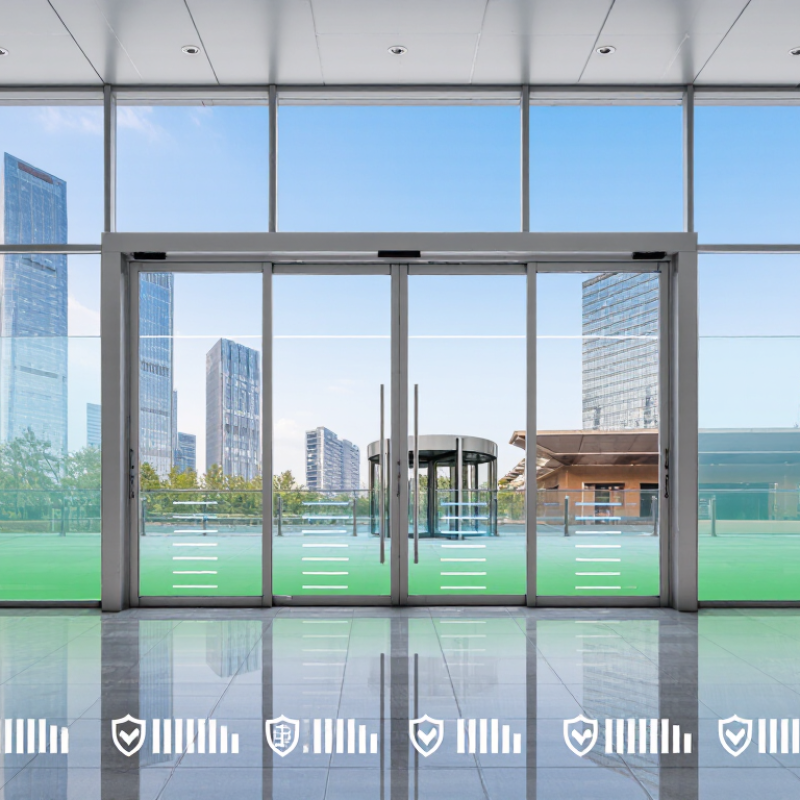
Tempered glass is widely selected for interior doors, shower enclosures, offices, and shop entrances. It is heat-treated for greater strength than ordinary annealed glass. When broken, it forms small granular pieces instead of long sharp shards. Common thicknesses include 8 mm, 10 mm, and 12 mm, depending on the door size and frame design.
Laminated glass combines two glass sheets with a tough interlayer. It stays together after impact, making it suitable for villas, banks, schools, and entrance doors. Acoustic and solar-control interlayers can improve comfort, although they may increase cost.
Insulated glass units use an air or argon-filled cavity between panes. They help reduce heat transfer in exterior doors, especially in northern Chinese cities. Low-E coatings can improve energy performance, but coating placement must match the door system.
Frosted, acid-etched, and patterned glass provide privacy without blocking all daylight. They work well in bathrooms, meeting rooms, and apartment entrances. Decorative options are attractive, but textured surfaces can be harder to clean.
In buyer inspections, I would check edge quality, visible distortion, safety markings, and test documentation. A responsible supplier should confirm glass type, thickness, heat treatment, and applicable Chinese safety requirements.
One detail is often overlooked: hardware loads. A heavy laminated panel may need stronger hinges and a reinforced frame. No single glass type fits every door. Mistakes still happen when appearance receives more attention than installation conditions.
When evaluating Chinese glass manufacturers for doors, begin with documented quality standards. Ask whether tempered glass follows EN 12150, ASTM C1048, or another target-market requirement. Laminated products should include evidence of interlayer performance and impact testing. Look beyond certificates. A certificate alone proves little.
Request recent test reports, production records, and sample labels showing thickness, glass type, and batch number. Check edge finishing under bright light. Rough edges, visible chips, or uneven polishing can create installation problems. Measure thickness with a calibrated gauge, not by touch. For tempered glass, inspect optical distortion from several angles. Slight distortion may be acceptable, but strong waves can affect appearance. Door panels also need accurate holes, cut-outs, and corners. Reworking them after tempering is usually impossible.
Factory experience matters when it is measurable. Ask how the supplier controls furnace temperature, interlayer storage, cleaning, and packing. Visit the production line if possible, or hire an independent inspector before shipment. Review packaging photos, carton strength, separators, and moisture protection. Confirm lead times in writing, including replacement procedures for breakage. Samples can mislead. One attractive panel does not prove stable batch quality. No audit is perfect. I would compare three production lots, record defects, and question any answer that sounds overly polished. Clear communication, traceable records, and consistent testing offer stronger evidence than a low quotation.
| Evaluation Dimension | Relevant Standard or Reference | What the Standard Covers | Evidence to Request from a Manufacturer | Buyer Acceptance Focus |
|---|---|---|---|---|
| Tempered Safety Glass |
GB 15763.2 Safety glazing for building, Part 2: Tempered glass EN 12150-1 Thermally toughened soda-lime silicate safety glass |
Heat-treatment requirements for safety glass, including fragmentation behavior, visual quality and dimensional tolerances. | Current third-party test report; batch heat-treatment records; fragmentation test results; thickness, size and flatness inspection records. | Confirm that the glass is permanently marked where required, is fully tempered rather than heat-strengthened when safety glazing is specified, and matches the approved thickness and dimensions. |
| Laminated Safety Glass |
GB 15763.3 Safety glazing for building, Part 3: Laminated glass EN 14449 Laminated glass and laminated safety glass |
Performance of glass assembled with one or more polymer interlayers, including safety behavior after breakage and durability-related properties. | Product construction drawing; interlayer type and thickness; adhesion or boil-test results where applicable; impact and weathering test reports; production traceability. | Verify that the interlayer is suitable for the intended indoor or outdoor exposure and that the specified glass build-up meets the required safety classification. |
| Insulating Glass Units |
GB/T 11944 Insulating glass EN 1279 Glass in building — Insulating glass units |
Requirements for sealed multi-pane units, including edge sealing, gas filling, moisture resistance and durability. | Unit cross-section drawing; spacer and sealant specifications; dew-point test results; gas-fill verification where applicable; production-line seal inspection records. | Check the declared cavity width, gas type, spacer system, sealant compatibility and evidence that the unit is designed for the project’s temperature and altitude conditions. |
| Glass Thickness and Dimensional Control | Applicable product standard plus the approved project specification | Controls nominal thickness, length, width, squareness, edge quality, hole positions and cut-outs. | Calibration certificates for measuring equipment; dimensional inspection plan; sample inspection report; approved shop drawings; packing list with actual sizes. | Require signed drawings before production. Confirm that all door cut-outs, hinges, locks and hardware holes are manufactured to the hardware supplier’s approved templates. |
| Edgework and Fabrication | Project specification and applicable safety-glazing standard | Covers polished, arrissed or seamed edges, corner treatment, drilled holes, notches and fabrication before tempering. | Edgework samples; fabrication drawings; hole-location inspection records; photographs of first-article approval; nonconformance procedure. | Ensure all drilling, notching and cutting are completed before tempering or heat treatment. Inspect exposed edges for chips, cracks and unacceptable roughness. |
| Optical and Visual Quality | Applicable product standard and agreed visual inspection method | Addresses scratches, bubbles, inclusions, haze, distortion, roller-wave appearance and other visible defects. | Written inspection criteria; lighting and viewing-distance procedure; inspection photographs; sample approval record; defect classification and corrective-action log. | Approve a physical or digital reference sample before mass production. Define viewing distance, lighting conditions, acceptable defect size and inspection direction. |
| Thermal and Solar Performance |
EN 410 Determination of luminous and solar characteristics ISO 9050 Determination of light and solar characteristics |
Provides methods for reporting visible transmittance, reflectance, solar factor and related glazing properties. | Spectrophotometric data; technical data sheet; calculated U-value or solar-factor documentation where applicable; coating position and substrate information. | Compare tested values with the door design requirements. Confirm coating orientation, glass thickness, cavity configuration and calculation assumptions. |
| Acoustic Performance |
ISO 10140 Laboratory measurement of sound insulation of building elements ISO 717-1 Rating of airborne sound insulation |
Covers laboratory measurement and rating of airborne sound insulation for glazing and door assemblies. | Laboratory acoustic test report for the complete glass or door assembly; test specimen construction; rated sound-reduction values; sealing details. | Do not rely only on the glass make-up. Confirm the complete door system, frame, seals, joints and installation method because assembly performance can differ from glass-only performance. |
| Fire-Related Requirements | Project fire code and the required fire-resistance test standard | Fire-rated door glazing must be evaluated as part of a tested and classified door or screen assembly; ordinary tempered or laminated glass is not automatically fire-rated. | Valid fire-test report; classification certificate where required; tested glass thickness and framing details; approved installation instructions; certificate scope and validity. | Match the certificate to the exact glass build-up, frame, dimensions, seals, hardware and installation orientation. Reject generic claims that do not identify the tested assembly. |
| Chemical and Environmental Durability | Applicable laminated, coated or insulating-glass durability requirements | Evaluates resistance to moisture, temperature variation, ultraviolet exposure, seal degradation and interlayer or coating deterioration. | Durability test reports; sealant technical data; interlayer technical data; compatibility statement for cleaners, gaskets and setting blocks; storage recommendations. | Confirm compatibility with the project’s sealants, setting materials, cleaning chemicals, humidity level and outdoor exposure before purchase. |
| Quality Management and Traceability |
ISO 9001 Quality management systems — requirements |
Provides a framework for controlled processes, documented inspections, corrective actions and continual improvement; certification alone does not certify a specific glass product. | Valid certificate scope; process flow chart; incoming-material records; batch coding system; calibration records; internal audit and corrective-action samples. | Trace every delivered panel to the production date, raw materials, processing line, inspection results and packing record. |
| Packaging and Transport Protection | Agreed export packing specification and applicable transport requirements | Controls crate construction, separation materials, moisture protection, lifting points, labeling and loading orientation. | Packing drawings; crate photographs; loading plan; moisture-control method; shock or tilt indicators where required; damage and claims procedure. | Require crates suitable for the glass size and weight. Confirm that panels are separated, supported, labeled and protected from water and edge impact during transport. |
| Pre-Shipment Inspection | Approved inspection and test plan agreed by buyer and supplier | Establishes sampling, inspection stages, acceptance criteria, documentation and handling of nonconforming products. | Signed inspection and test plan; final inspection report; dimensional and visual records; test certificates; certificate of conformity; approved sample comparison. | Release payment or shipment only after required documents, quantity, dimensions, labeling and visual quality have been checked against the approved order. |
Selecting the right door glass supplier requires more than comparing prices. Ask about glass type, thickness, edge finishing, and safety performance. Tempered glass suits many interior applications, while laminated glass can help retain fragments after breakage. The supplier should explain where each option fits. Clear answers matter.
Request current test reports, product samples, and written specifications before placing a large order. Check whether the supplier can provide consistent color, accurate cutting, polished edges, and stable dimensions. Small errors can prevent proper installation. Ask how batches are identified and inspected. Reliable records show professional control, not just confident sales language.
Packaging deserves attention too. Glass should arrive with corner protection, separators, moisture control, and visible labels. Confirm production time, replacement procedures, and communication during delays. A supplier who avoids difficult questions may create larger problems later. I once focused too heavily on unit price and overlooked crate quality. That mistake caused extra handling work. Price still matters, but it should be judged beside testing, service, and delivery risk. Request a sample order first. Test fit, appearance, and documentation before committing to volume.
Visible light transmittance (VLT) is a practical starting point when comparing door glass suppliers. Higher percentages allow more daylight into a space, while lower percentages provide stronger privacy or solar control. The figures below are typical industry ranges represented by midpoint values and may vary according to glass thickness, tint, coating and lamination.
Manufacturing quality begins with controlled raw materials and stable furnace temperatures. For door glass, buyers should inspect thickness, flatness, edge finishing, and heat-soak procedures. Tempered glass must receive documented impact and fragmentation testing. Laminated glass needs verified interlayer adhesion, especially after humidity exposure. A controlled thermal cycle matters.
Factory audits should compare production samples with approved drawings. Operators should record batch numbers, glass origin, coating specifications, and inspection results. Keep records visible. In practical audits, a polished sample can hide inconsistent edgework or poor packaging. That weakness deserves attention, not excuses.
Ask for independent test reports referencing EN 12150, EN 14449, ASTM C1048, or equivalent standards. Requirements may vary by destination.
Customization should match the project, not merely appearance. Options include low-emissivity coatings, tinted glass, acid-etched surfaces, acoustic laminates, curved panels, and oversized formats. Hardware cutouts require precise digital templates. Small errors can create installation stress. The International Energy Agency reported that buildings consume about 30% of global final energy, so thermal glazing deserves serious evaluation. The 2023 Global Status Report for Buildings and Construction also identified building operations as a major source of global emissions. Market demand is moving toward efficient glazing, yet energy claims need measured performance data. U-value, solar heat gain coefficient, visible transmittance, and acoustic ratings should appear in technical documents. Customization is valuable, but unnecessary complexity increases inspection points, lead-time risks, and replacement costs.
Buying door glass from China requires more than comparing a unit price. Glass type, thickness, edgework, coating, packaging, and testing can change the final cost. According to the International Energy Agency’s Buildings report, buildings used about 30% of global energy in 2022. Low-emissivity glass may therefore support better energy performance, but its price needs comparison against local climate requirements. Ask for a detailed quotation, including mold fees, inspection charges, export packing, and replacement terms. Prices that look attractive often exclude these items.
Shipping also needs practical calculation. Tempered or laminated panels require corner protection, separators, and moisture control inside the container. The World Bank’s Logistics Performance Index 2023 shows clear differences in customs efficiency and infrastructure between trading markets. Request the loading plan, carton dimensions, container capacity, and estimated port charges before payment. I have found that a small packing change can reduce breakage, but it may also increase volume. That trade-off deserves review.
Tips: Verify the factory license, production address, recent test reports, and product traceability. Match the report’s glass composition and thickness with your purchase order. Request samples with visible edge finishing. Use a third-party pre-shipment inspection when order value is significant. Check whether insurance covers glass breakage, not only total cargo loss. A video call is useful, but it is not proof. Audit documents can still be incomplete. Ask direct questions, record answers, and compare them with physical evidence.