Best Windows for Your Home in 2026 Are You Ready to Upgrade?
As we approach 2026, many homeowners are considering an upgrade to their windows for your home. The right windows can enhance energy efficiency, aesthetics, and comfort. Modern windows have evolved in the last few years, offering better insulation and durability. Homeowners must weigh options carefully to find the best fit.
Choosing windows involves understanding materials, styles, and price points. Vinyl, wood, and aluminum have distinct advantages, but your environment and personal taste should guide your choice. It's important to reflect on how much light and ventilation your space needs. This decision can greatly affect your overall home environment.
Many people overlook the potential drawbacks of new windows. Installation can be complex and costly. You might find that not all options meet your expectations. Do your research to ensure reliability and quality. Choosing the right windows for your home is a significant investment that demands attention and care.
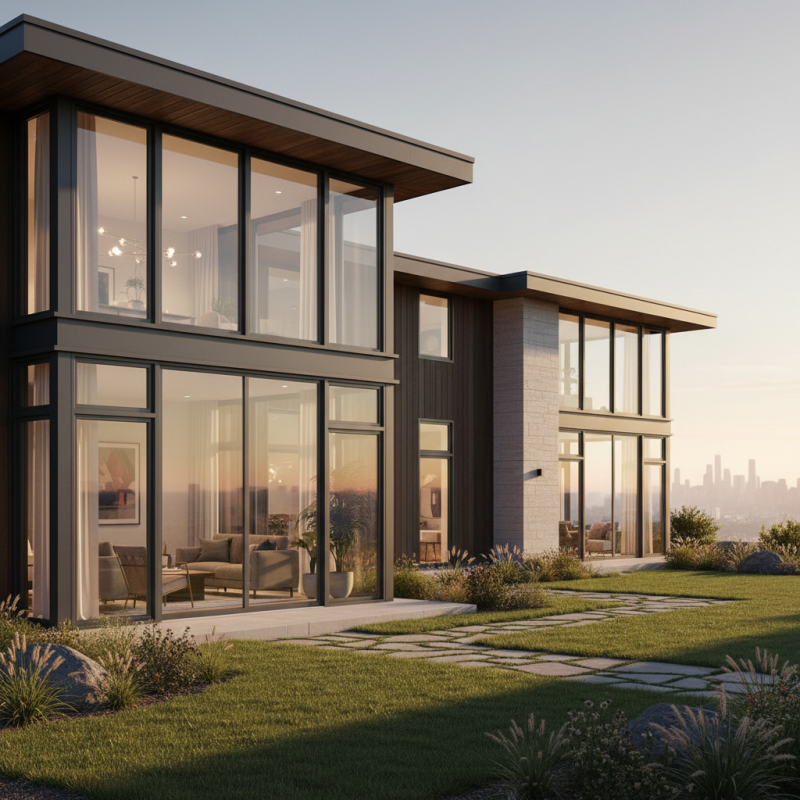
Current Trends in Home Windows: What 2026 Holds
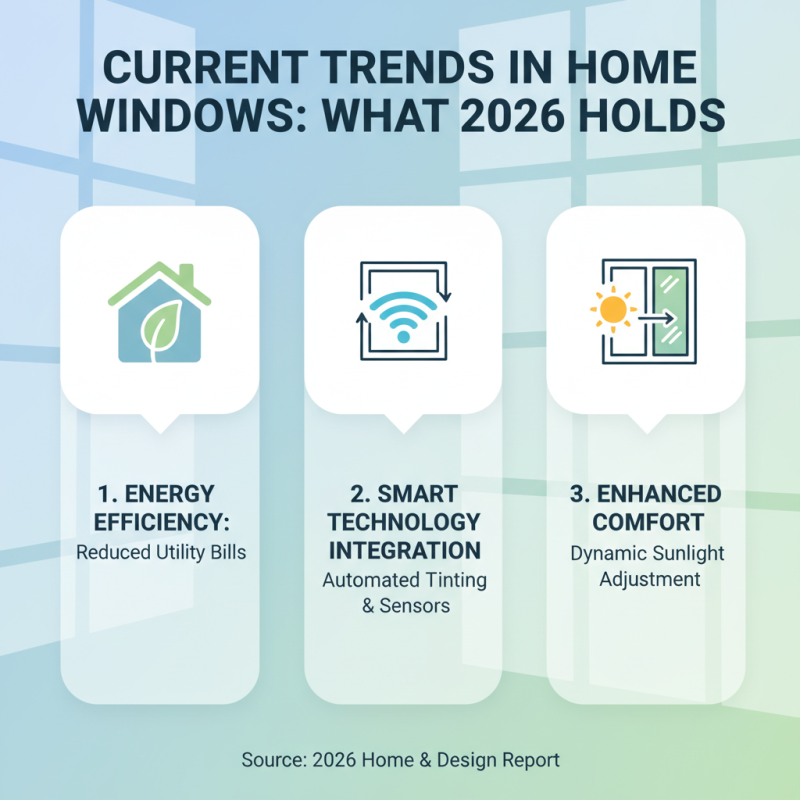
As we approach 2026, home window trends are evolving rapidly. Homeowners are increasingly looking for energy-efficient windows that reduce utility bills. The integration of smart technology is another crucial development. Windows with sensors can adjust tinting based on sunlight, enhancing comfort and saving energy.
Sustainability is becoming a priority. Many windows are now made from recycled materials, reducing environmental footprints. However, not all eco-friendly options perform equally. It's vital to research and choose windows that balance efficiency and durability. A stylish window may not offer the best insulation.
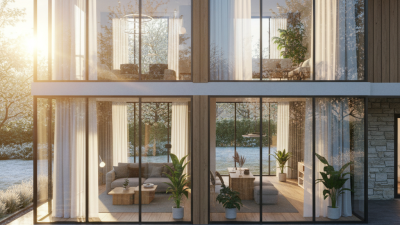
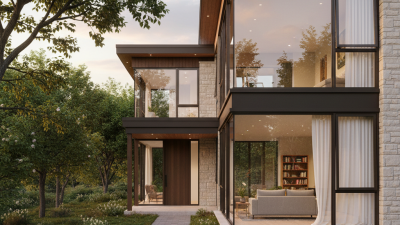
The aesthetic aspect cannot be overlooked. Homeowners are opting for larger windows that maximize natural light. However, these can sometimes lead to heat loss. It’s essential to consider both style and function. The choice of window must reflect the unique needs of your home and lifestyle.
Benefits of Upgrading Your Windows: Energy Efficiency and Beyond
Upgrading your windows can bring numerous benefits, especially in terms of energy efficiency. According to the U.S. Department of Energy, windows account for about 25% to 30% of residential energy use. By replacing old, drafty windows, homeowners can significantly reduce heating and cooling costs. Recent studies indicate that modern energy-efficient windows can save an average household up to $500 annually on energy bills.
Beyond financial savings, quality windows enhance comfort. Improved insulation reduces temperature fluctuations, making your home more pleasant year-round. Many homeowners report fewer drafts and reduced noise pollution after an upgrade. Furthermore, energy-efficient windows often come with features such as low-emissivity (Low-E) coatings, which help block harmful UV rays while allowing natural light in. This can also prolong the lifespan of furniture and flooring by minimizing fading.
However, the decision to upgrade isn’t solely based on numbers. You might face challenges, like the initial investment and the complexity of installation. Not every home will see a rapid return on investment, especially in markets where resale value is stagnant. Reflecting on your own circumstances is crucial. Assessing both the potential savings and comfort improvements versus the upfront costs will lead to a more informed decision about your window upgrade.
Types of Windows to Consider for Different Home Styles in 2026
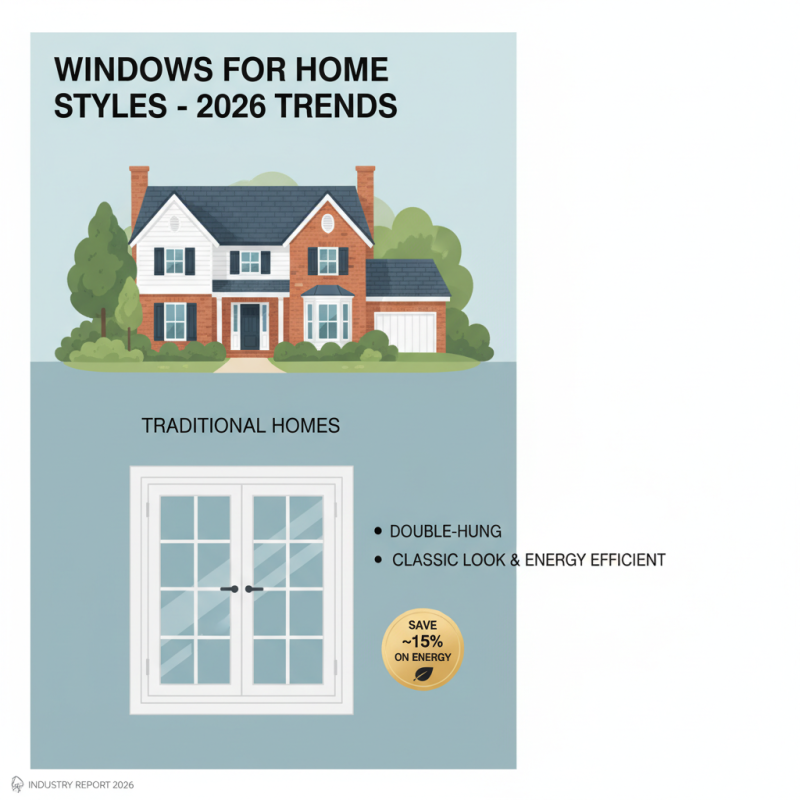
In 2026, selecting the right windows for your home hinges on understanding different styles. Traditional homes often benefit from double-hung windows. These remain popular for their classic look and energy efficiency. According to a recent industry report, replacing old windows can save homeowners an average of 15% on energy bills annually.
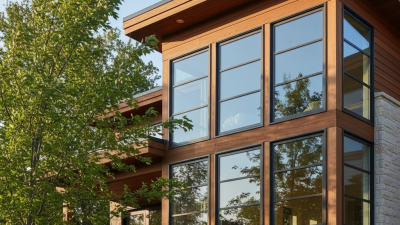
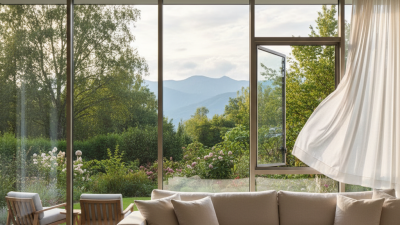
Modern homes may favor casement windows. Their sleek design complements contemporary architecture. A study by the Window and Door Manufacturers Association highlights that casement windows provide better ventilation compared to fixed types. Choosing energy-efficient glazing can further enhance performance, making them ideal for urban environments where energy conservation matters.
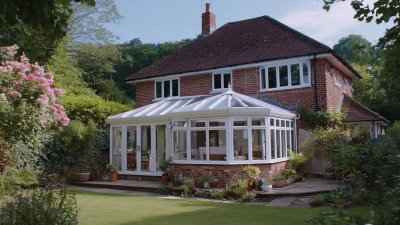
For cottages or rustic homes, wooden frames are a charming option. They blend well with organic materials and can enhance curb appeal. However, wood requires maintenance, which can be a drawback. In contrast, vinyl windows are low-maintenance. A report indicates vinyl can last up to 40 years if properly installed. Understanding the pros and cons of each option is crucial for making informed decisions. Each style offers unique benefits, but also demands thoughtful consideration.
Key Features to Look for in Modern Windows: Safety and Durability
When considering modern windows for your home,
safety and
durability are paramount.
High-quality windows can significantly enhance your home’s security. Look for reinforced frames
and shatter-resistant glass. These features deter break-ins and ensure safety
for your family. Durability extends the lifespan of your investment,
protecting your home from harsh weather conditions.
Tips: Inspect the materials used.
Vinyl and fiberglass
often offer better resistance against the elements compared to wood.
Low-maintenance options are an added bonus.
Choosing energy-efficient windows is another crucial element.
These windows help in regulating indoor temperatures, reducing energy costs. Look for windows with a low U-value,
indicating better insulation. This choice makes your home more comfortable year-round and contributes to sustainability.
Tips: Check for warranty details.
A solid warranty reflects the manufacturer’s confidence in their product. It also provides peace of mind in case of unexpected issues.
Factors to Assess Before Upgrading: Budget and Installation Process
Upgrading windows is a significant decision for homeowners. Before diving into the selection process, it’s essential to consider your budget carefully. Industry reports indicate that window replacements can range from $300 to $1,000 per window. Costs largely depend on the material and energy efficiency ratings. Many homeowners underestimate installation expenses, which can add another 70% to 100% to the total project cost. Always include these variables in your budget plan.
The installation process can be a daunting task. It requires
skilled labor and proper tools. Research shows that professional installation ensures improved energy efficiency. DIY projects may save money initially, but mistakes can lead to
higher long-term costs. Reports suggest that nearly
30% of DIY installations result in significant issues. These setbacks can include poor sealing, leading to air leaks and increased energy bills. Think carefully about your readiness to tackle this project, and assess if your skill set is sufficient.
Consider factors like local regulations and potential weather challenges. Understanding these elements will help in planning both the timeline and the budget. Homeowners often overlook these details, leading to frustration during the upgrade. It's critical to weigh the
benefits of new windows against the
costs and unexpected hurdles. Planning thoroughly now can lead to better outcomes in the long run.