What are the Best Glass Windows for Home Use?
Choosing the right glass windows for home can be overwhelming. Many factors come into play, such as energy efficiency, noise reduction, and style. The right window can enhance your home's aesthetic and comfort. This guide aims to highlight the best glass windows for home use while considering various needs.
Different types of glass windows excel in unique areas. For instance, double-glazed windows significantly improve insulation. You might want to consider tempered glass for added safety. Each option presents benefits and potential drawbacks. It’s essential to reflect on what aspects matter most to you.
Homeowners must also think about the climate. What works in a tropical setting may not suit a colder region. Also, always consider maintenance needs. Some glass windows require more attention over time. Finding the perfect balance is a journey worth pursuing.
Best Glass Types for Energy Efficiency in Residential Windows
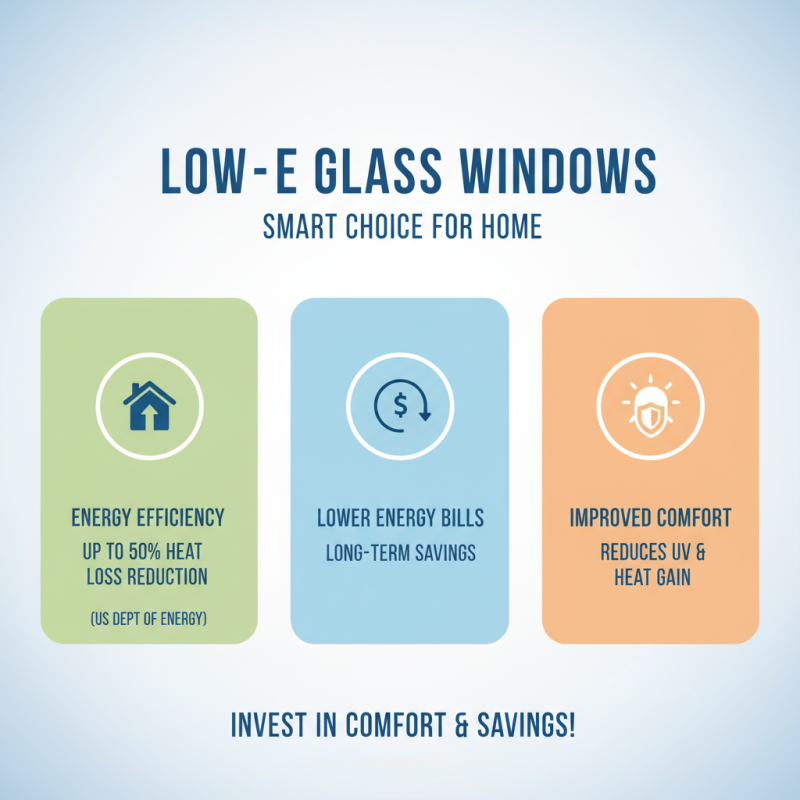
When selecting glass windows for your home, energy efficiency plays a crucial role. Low-E glass is highly regarded. It has a special coating that reflects heat. This keeps your home warm in winter and cool in summer. The difference in comfort is noticeable. You’ll likely use less heating and cooling energy.
Another glass type is double-glazed windows. They consist of two panes of glass with a space in between. This space can be filled with argon gas, which improves insulation. Many homeowners have noticed a decrease in energy bills after switching to double-glazed options. However, these windows require proper sealing. If the seal fails, it can lead to condensation inside.
Some people overlook the importance of window placement. South-facing windows can capture the sun’s warmth in cold months. Yet, they could become hot in summer without proper shading. Reflect on your home's layout. The right glass combined with thoughtful placement results in energy efficiency and comfort. Always consider future needs and maintenance challenges in your choices.
Comparative Analysis of Double vs. Triple Glazing for Homes
When choosing windows for your home, double and triple glazing options stand out. Double glazing consists of two panes of glass, providing good insulation. It reduces heat loss effectively, but there are limitations. In colder climates, heat retention may still be a concern.
Triple glazing offers an additional layer of glass, enhancing insulation properties. This means better energy efficiency over time. However, not all homes need this level of insulation. In mild climates, the added cost may not justify the benefits.
Some homeowners might find the weight of triple-glazed windows overwhelming. Installation can be more complicated due to the extra bulk. Moreover, while they may minimize noise pollution, they do not eliminate it completely. Consider your environment and needs carefully before making a decision. Each type has pros and cons that require thoughtful consideration.
What are the Best Glass Windows for Home Use? - Comparative Analysis of Double vs. Triple Glazing for Homes
| Feature |
Double Glazing |
Triple Glazing |
| Insulation Value (U-Value) |
1.2 - 2.0 W/m²K |
0.6 - 1.2 W/m²K |
| Sound Reduction |
Up to 32 dB |
Up to 38 dB |
| Cost |
$200 - $400 per window |
$300 - $600 per window |
| Weight |
Light |
Heavier |
| Energy Efficiency |
Moderate |
High |
| Condensation Risk |
Moderate |
Low |
Understanding UV Protection: Choosing the Right Glass for Windows
When selecting glass for home windows, one must consider UV protection. Not all glass provides the same level of defense against harmful ultraviolet rays. Those rays can fade furniture and paint and even harm skin. Dual-pane or low-E glass can help. They reflect UV light while still allowing natural sunlight inside. This is essential for well-lit, eco-friendly homes.
Choosing the right glass isn't easy. Different homes have different needs. For example, a home facing direct sunlight may require stronger UV protection. On the other hand, shaded areas might need less. Knowing your window’s orientation helps. Also, understanding the local climate is necessary. Extreme sun exposure can worsen fading over time, leading to costly repairs and replacements.
It's easy to overlook the impact of UV protection. Many homeowners focus on aesthetics, forgetting practical needs. While a beautiful window adds charm, its performance matters too. Look for the balance between style and function. This often requires research and reflection, ensuring that every choice made leads to lasting comfort.
Safety Standards and Tempered Glass: A Homeowner’s Guide
When considering glass windows for your home, safety should be your priority. Tempered glass is a popular choice. It undergoes a heating and cooling process. This makes it stronger than regular glass. If it breaks, it shatters into small pieces. This reduces the risk of injury.
Homeowners often overlook the importance of safety standards. Always check if your glass meets local regulations. Some areas may have stricter rules. This might require additional certification. If you’re unsure, consult with a professional. You may feel tempted to skip this step, but it’s crucial for safety.
Choosing the right glass also involves understanding its uses. Different glass types can affect insulation and soundproofing. Consider where the windows will be installed. Install tempered glass in high-traffic areas. Check that it’s properly fitted. Poor installation can lead to accidents. Regular maintenance is often neglected, which can compromise safety over time.
Best Glass Windows for Home Use: Safety Standards and Tempered Glass
Cost-Benefit Analysis of Low-E Glass Coatings for Residential Use
When choosing windows for your home, low-emissivity (Low-E) glass coatings stand out. These coatings significantly improve energy efficiency. According to the U.S. Department of Energy, Low-E glass can reduce heat loss by 30-50%. This translates to lower energy bills, providing long-term savings despite a slightly higher initial cost.
Tip: Consider the climate in your area. In colder regions, Low-E coatings that reflect heat back into your home can be especially beneficial. Conversely, in warmer climates, it’s crucial to select coatings that minimize solar heat gain, enhancing comfort.
Notably, Low-E glass can be more reflective, which may alter the appearance of your windows. Some homeowners might feel that it reduces their view. A cost-benefit analysis reveals that while initial investment can be higher, the returns can be substantial over time, with many reporting energy savings of up to $500 annually. However, every situation varies. Evaluate the specific needs of your home before making a decision.
Tip: Always obtain multiple quotes. Prices can vary significantly by installer. Measuring the impact of window options on your property value is also important.