10 Best Glass Doors for Homes in 2026?
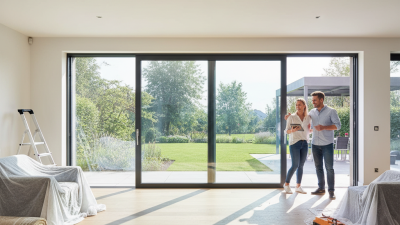
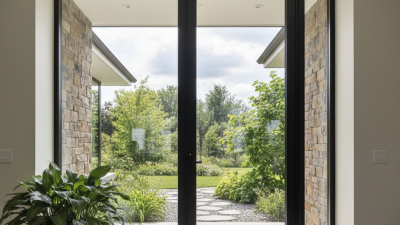
Choosing among the 10 best glass doors for homes in 2026 takes more than comparing photographs. A door must suit its opening, climate, daily routines, and privacy needs. The right choice can bring daylight into a dim hallway or connect a living room with a garden. The wrong one may feel exposed, hard to clean, or awkward to operate.
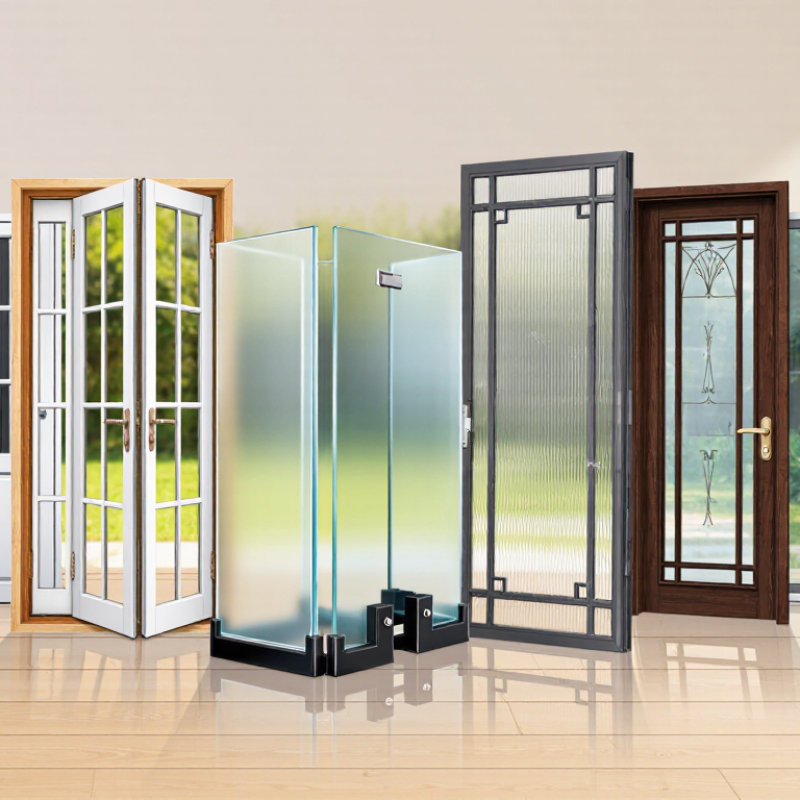
This guide compares sliding, hinged, folding, and pivot designs. It considers glass type, frame material, hardware, energy performance, safety features, and upkeep. Look closely at how each door opens. A sliding panel saves floor space, while a hinged door needs room to swing. Clear glass brightens a space. Frosted or textured glass offers more privacy, though it changes the view and the light. Small details matter: handle comfort, threshold height, and the sound of a panel closing.
Architect Mies van der Rohe’s well-known design principle, “Less is more,” offers a useful lens for evaluating glass doors. A slim frame can make a room feel open, but it should not outweigh strength, insulation, or reliable hardware. Product specifications and installation requirements deserve careful review; appearance alone is not enough. And fingerprints show. That is a practical detail, not a deal-breaker. The selections ahead are intended to help homeowners compare trade-offs and identify questions to ask a qualified installer. No single door suits every home, and local conditions can change what works best.
What Defines a Glass Door for Residential Use?
What Defines a Glass Door for Residential Use?
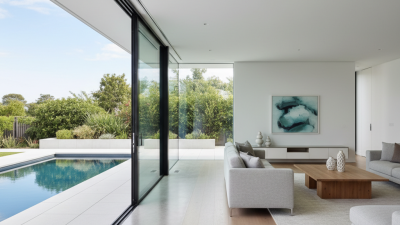
A residential glass door is more than a transparent panel in a moving frame. It must combine daylight, safe operation, weather resistance, and reasonable energy performance. Common applications include patio entries, balconies, interior partitions, and front doors with limited glazing.
The U.S. Department of Energy reports that windows and other glazed openings can represent 25–30% of household heating and cooling energy use. Glass doors belong to that same performance discussion. Their U-factor measures heat transfer, while solar heat gain coefficient shows how much sunlight enters. The National Fenestration Rating Council uses these values to make product comparisons clearer. Still, labels do not tell the whole story. Installation quality matters greatly.
Safety glazing is another defining feature, especially near floors, stairs, showers, and active passageways. A suitable door should resist impact, control air leakage, and support dependable hinges, locks, and rollers. In coastal or storm-prone areas, design pressure ratings also deserve attention. The National Association of Home Builders has reported continued homeowner interest in larger openings and stronger indoor-outdoor connections. That trend sounds attractive, but larger glass areas can increase glare, heat gain, and privacy concerns. I have seen beautiful doors perform poorly because the frame was ignored. The glass gets attention. The edges often fail first.
10 Best Glass Doors for Homes in 2026
What defines a glass door for residential use is the balance between natural light, ventilation, security, thermal performance, privacy, and usable opening width. The chart compares representative visible-glass percentages for ten common residential glass-door designs.
Higher visible-glass percentages generally provide more daylight and outdoor visibility, while privacy glass, solar-control coatings, insulated glazing, tempered glass, laminated glass, and thermally improved frames can improve comfort and safety. Values are representative design benchmarks; actual results vary by frame dimensions, glazing specification, hardware, and local building requirements.
Which Types of Glass Doors Suit Different Home Spaces?
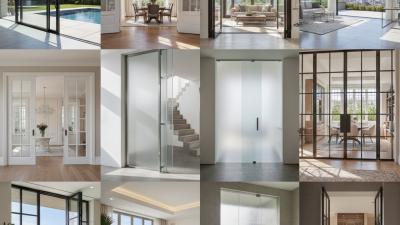
A glass door should match the room’s light, privacy, and traffic needs. Sliding patio doors suit compact living rooms because their panels move along a track instead of swinging into furniture. For wider openings, hinged French doors create a clear, generous passage, but they need floor space for their swing. In a narrow hallway, that detail matters.
For bathrooms, bedrooms, and home offices, frosted or textured glass softens views while still passing daylight. A clear panel can make a small room feel more open, though it may expose clutter you would rather hide. Not every room needs transparency. The U.S. Department of Energy reports that heat gain and loss through windows account for about 25–30% of residential heating and cooling energy use; this figure concerns windows, not doors, but it highlights why glazed openings deserve attention. Check a door’s whole-unit performance ratings, including U-factor and solar heat gain coefficient, rather than judging by glass appearance alone. The National Fenestration Rating Council provides standardized ratings for comparing products.
For a busy entry, consider a glazed door with a solid lower panel or divided lights: it admits daylight while reducing direct views from the street. In sunny rooms, low-emissivity glazing can help limit unwanted heat, but orientation and shading still affect comfort. A south-facing door may need an overhang or interior shade. Slightly less glass can be the better choice.
How to Evaluate Glass Doors for Safety, Efficiency, and Design
10 Best Glass Doors for Homes in 2026?
How to Evaluate Glass Doors for Safety, Efficiency, and Design
Choosing a glass door means weighing more than its view. Check the National Fenestration Rating Council label for U-factor and solar heat gain coefficient (SHGC). Lower U-factor generally means less heat transfer; SHGC indicates how much solar heat enters. The U.S. Department of Energy’s Energy Saver guidance notes that windows can account for 25–30% of home heating and cooling energy use. A drafty glass door can add to that burden, especially near a cold floor. Look for insulated glazing, effective weatherstripping, and a frame suited to your climate.
Safety deserves equal attention. For doors with large glass panels, ask whether the glazing is tempered or laminated, and verify that the product meets applicable safety-glazing requirements. Tempered glass breaks into smaller pieces; laminated glass is held together by an inner layer. Check locking points, hinges, and the threshold, too. A solid-looking panel is not the whole story. Design matters, but a door that is hard to clean or awkward to open may frustrate you every day.
Tips: Compare NFRC ratings across similar door sizes and configurations; ratings can change with glazing and frame choices. View samples in morning and afternoon light, and test the handle yourself. If you can, inspect the installation details before buying. Even a high-rated door can underperform when poorly fitted. I’d also be cautious about choosing a dark frame purely from a showroom sample; it may feel heavier in a smaller room.
10 Best Glass Doors for Homes in 2026
Choosing among the 10 best glass doors for homes in 2026 starts with how each room is used. Sliding glass doors suit patios where swing space is limited, while hinged doors can create a wider opening when there is room. French-style glass doors bring daylight between interior rooms, but they offer less privacy unless paired with textured glass or curtains. For exterior doors, check the frame, weather seals, safety glazing, and stated energy performance. A door can look elegant in a showroom and still feel drafty if it is poorly fitted.
Tips: Measure the opening in several places, since walls and floors are not always perfectly square. Ask an installer how the door handles water, wind, and temperature changes in your area. For a sunny room, compare low-emissivity glass options and consider exterior shading. Keep samples near the actual doorway; glass can look different in morning light.
Think about daily details, too. A heavy panel may be awkward for children or anyone with limited mobility, and fingerprints show quickly on clear glass. Tempered or laminated safety glass is worth checking, especially near floors and busy walkways. The best choice depends on the home, not just the trend. I would be cautious about choosing solely from photos; color, reflections, and hardware often look different in person.
What to Consider When Installing and Maintaining Glass Doors
A glass door can brighten a hallway, but its performance depends on more than appearance. Before choosing a hinged, sliding, or folding design, measure the opening and check whether the wall can support the frame. A professional installer should inspect the sill, flashing, and drainage path; small gaps can invite water and drafts. The U.S. Department of Energy estimates that windows are responsible for 25–30% of residential heating and cooling energy use. That figure covers windows, not glass doors specifically, but it shows why glazing and airtight installation matter. Compare U-factor and solar heat gain coefficient ratings, which the National Fenestration Rating Council uses to describe energy performance. Lower U-factors generally mean less heat transfer.
Daily care is simple, though easy to neglect. Wipe tracks before grit builds up, clear drainage holes, and check weatherstripping for cracks or loose edges. Use a soft cloth and a cleaner suitable for the glass coating; abrasive pads may scratch surfaces. Inspect hinges and rollers if the door starts scraping or sticking. A tiny adjustment now may prevent a more costly repair later. For large panes or doors near walking areas, ask the installer whether the glazing is safety-rated for that location. Requirements vary by location and door design. I would not choose a door on its energy label alone: orientation, shade, frame material, and local weather all affect comfort.