What Are the Best Commercial Glass Options for Businesses?
Choosing the right commercial glass is crucial for businesses. The type of glass used can impact aesthetics, safety, and energy efficiency. Many options are available, each with its unique benefits and drawbacks. For instance, tempered glass is stronger and safer but may come at a higher cost.
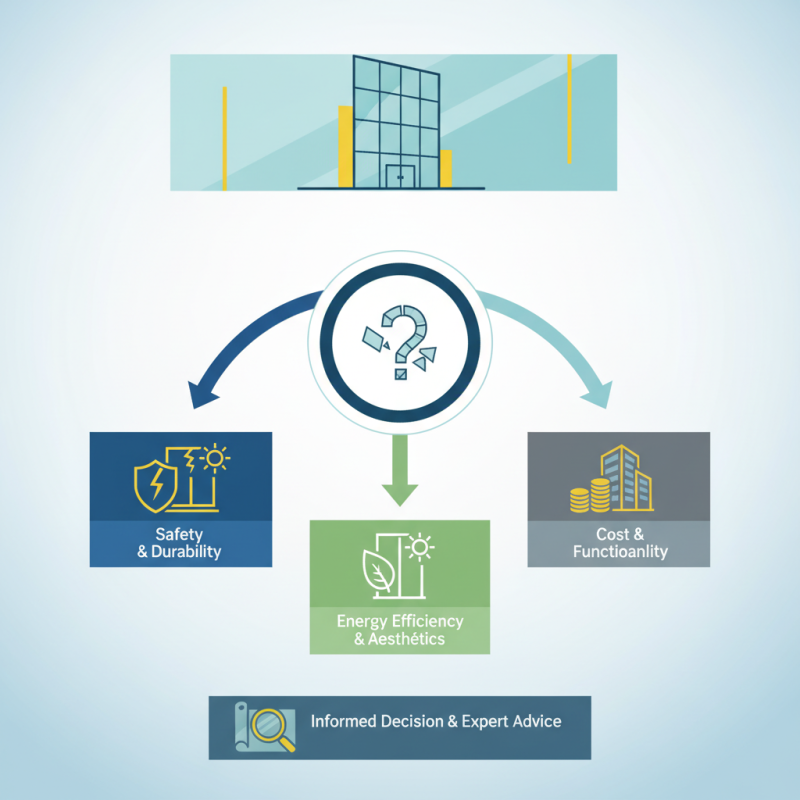
Businesses must assess their needs before making a decision. Cost, durability, and functionality are key factors. A storefront might benefit from aesthetically pleasing glass, while an industrial facility may prioritize strength over appearance. Some options might not suit every business type, leading to potential regrets later.
Understanding the best commercial glass options ensures a perfect fit for any business. Seeking expert advice can help business owners navigate the many choices. This decision deserves reflection, as it influences not just the look of a space but also its safety and efficiency. Being informed can create a significant difference in long-term satisfaction.
Types of Commercial Glass for Businesses
When selecting commercial glass for businesses, understanding the different types available is crucial. Architectural glass is a popular option. It offers durability and clarity. According to a report by the Glass Association, the architectural glass market is projected to reach $182 billion by 2026, highlighting its booming demand. This type of glass is often used in storefronts and office buildings, providing aesthetic value along with functionality.
Safety and security are also critical factors for businesses. Laminated glass is an excellent choice in this regard. It features two or more layers of glass with an interlayer bonded between them. This design helps prevent shattering and adds a layer of security. The National Glass Association states that laminated glass usage has risen by 25% in the past five years. This reflects a growing awareness among business owners about safety measures.
Energy-efficient options like low-emissivity (Low-E) glass can help reduce utility costs. This type minimizes heat transfer, keeping interiors comfortable. Reports indicate that buildings utilizing Low-E glass can experience up to 30% more energy efficiency. However, not all businesses may have the budget for advanced glass options. Balancing quality and cost remains an ongoing challenge for many decision-makers.
Advantages of Using Commercial Glass in Business Settings
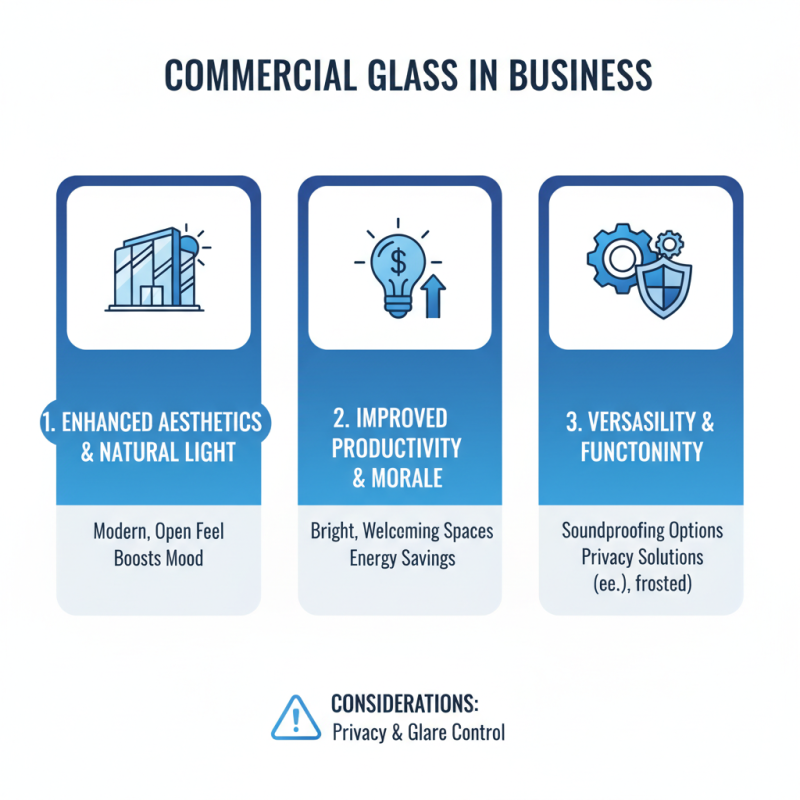
When businesses choose commercial glass, they often focus on aesthetics and functionality. High-quality glass enhances the overall appearance of workplaces. It allows natural light to flood in, creating a welcoming environment. Bright spaces can boost employee morale and improve productivity. Clear glass is stylish, but it also presents challenges in terms of privacy and glare.
In an office setting, glass can divide spaces without sacrificing openness. This arrangement fosters collaboration and communication among teams. However, not all glass options provide the same insulation. Some types may let in too much heat or cold, making temperature control difficult. Selecting the right glass for specific needs is essential for energy efficiency.
Safety is another critical aspect to consider. Tempered or laminated glass offers increased durability and resistance to impacts. This security is vital in commercial spaces where foot traffic is high. Businesses must evaluate their needs carefully. The right commercial glass can enhance beauty while addressing safety and comfort. Transparency in decisions can lead to better outcomes for everyone involved.
Factors to Consider When Choosing Commercial Glass
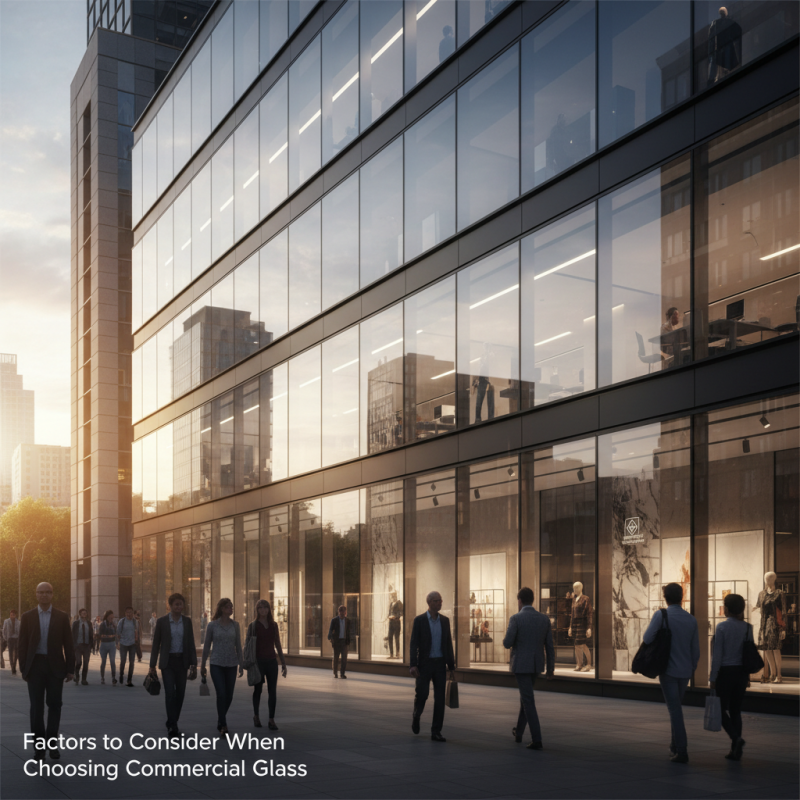
When selecting commercial glass, several key factors must be considered to make an informed choice. Safety is paramount. Businesses should prioritize tempered or laminated glass for high-traffic areas. These options are more resistant to breakage and improve overall security. Visibility is also essential. Large panes can enhance the aesthetic appeal and natural lighting of a space. However, they can also raise privacy concerns. Businesses must balance openness with confidentiality.
Durability plays a major role, especially in storefronts or manufacturing facilities. Glass needs to withstand climate changes and physical impacts. Energy efficiency is another crucial aspect. Double-glazed units can significantly reduce heating and cooling costs. Noise reduction properties can also enhance comfort in busy commercial spaces. Reflecting on specific needs can help businesses choose wisely.
Ultimately, the type of glass affects both functionality and image. An appealing storefront can attract customers, but the wrong choice might lead to costly repairs. It's beneficial to consult with professionals to navigate complex options. Their experience can guide decisions, helping to avoid pitfalls. Crafting the right environment with glass is about balancing practicality and aesthetics. Engage with knowledgeable sources to find the best fit for your business.
Safety and Security Features of Commercial Glass Options
When selecting commercial glass options, safety and security are paramount.
According to the Glass Association of North America, over 2,000 injuries occur yearly due to glass-related accidents in commercial settings.
This statistic highlights the need for robust, safe glass solutions.
One popular choice is tempered glass. It is heat-treated, making it much stronger than standard glass. If broken, it shatters into small, blunt pieces,
reducing the risk of injury. This type of glass is often recommended for storefronts and display windows. However,
while tempered glass offers enhanced safety, it can still be vulnerable to significant impacts.
Another excellent option is laminated glass. It consists of two or more layers of glass with an interlayer, usually made of
polyvinyl butyral (PVB). This design provides added security and helps keep shattered pieces intact, minimizing potential injuries. However,
laminated glass can be heavier and may need specialized framing systems, posing installation challenges. Balancing safety features with practical considerations
is crucial in making informed choices for commercial applications.
Cost-Effectiveness and Maintenance of Commercial Glass
When considering commercial glass options, cost-effectiveness and maintenance are crucial. Research shows that energy-efficient glass can reduce heating and cooling costs by up to 30%. This is important for businesses looking to cut expenses while maintaining comfort. High-performance glazing solutions offer durability along with thermal efficiency. Yet, initial installation costs might be higher than basic glass.
Maintenance varies significantly between types of glass. Smooth, low-maintenance coatings can significantly reduce cleaning frequency. According to a report by the Glass Association, businesses save an average of 20% on maintenance costs with these advanced coatings. It’s critical to balance upfront costs with long-term savings.
Tips for selecting commercial glass include analyzing your specific needs. Think about the local climate and how different glass types perform in those conditions. Also, consider the potential impact on your building’s aesthetics. Visual appeal can draw customers in, creating value beyond just functional performance. Investing in the right glass can enhance both your business's image and its bottom line.