What Are the Best Artistic Decorative Tiles for 2026?
Artistic Decorative Tiles can turn an ordinary wall, floor, or fireplace surround into a defining feature. In 2026, the most compelling choices are likely to balance expressive design with everyday performance. Think hand-painted motifs, sculptural relief, unexpected color, and patterns that borrow from nature or traditional craft. A glossy cobalt tile catches light in a narrow kitchen. A softly textured neutral brings warmth to a quiet bathroom. Small details matter.
Yet the “best” tile is not simply the boldest one. Room use, moisture exposure, slip resistance, cleaning needs, and installation quality all influence whether a beautiful surface works over time. Color and finish can also look different under warm evening lights than in a showroom. Samples help. So does checking product specifications and asking a qualified installer about substrate preparation, grout, and maintenance.
This guide explores standout styles and practical ways to choose them, from statement backsplashes to restrained accent panels. It considers materials, finishes, scale, and how decorative tiles interact with surrounding surfaces. Some artistic designs may feel less timeless than expected; that is worth admitting. A dramatic pattern can delight in a small dose and overwhelm an entire room. The right choice reflects the space, the people using it, and the level of upkeep they can realistically manage.
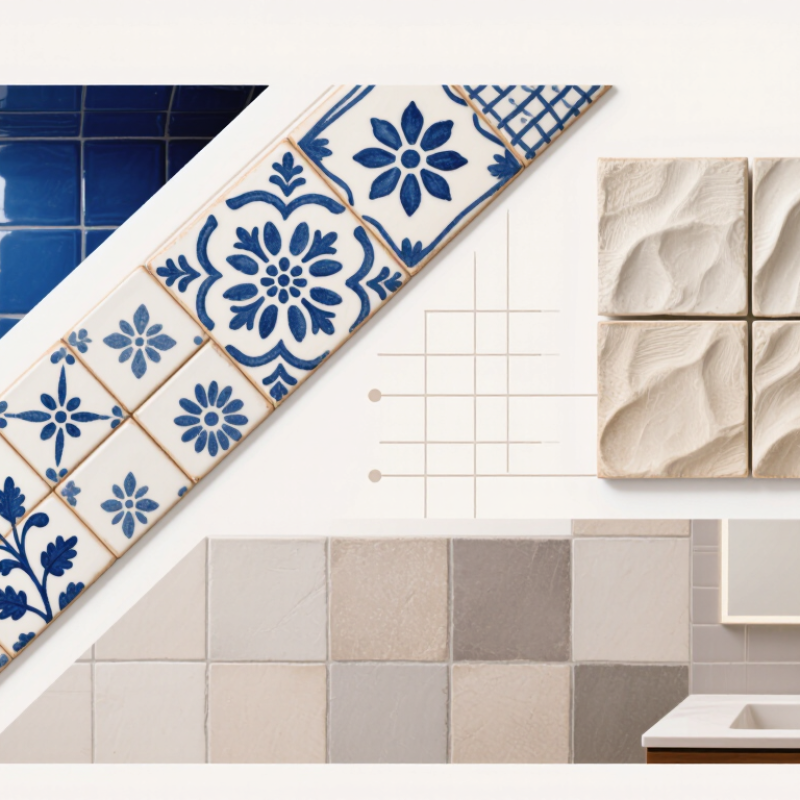
What Defines Artistic Decorative Tiles in 2026?
What Defines Artistic Decorative Tiles in 2026?
Artistic decorative tiles in 2026 balance visual character with everyday performance. They are not simply bold patterns placed on a wall. Their appeal comes from considered color, texture, scale, and craftsmanship. A softly rippled glaze can catch morning light differently across each tile. Hand-painted motifs may bring warmth, while precise geometric layouts create a calmer rhythm. Small details matter.
Material choice shapes both appearance and use. Porcelain and ceramic offer practical options for kitchens and bathrooms, while natural stone brings variation that no two pieces can fully match. Before choosing, look closely at surface texture, grout spacing, and maintenance needs. A glossy finish can brighten a dim corner, but it may show splashes more clearly. That trade-off matters. Sample tiles in the room, under its actual lighting, rather than relying on a showroom display.
The strongest designs feel personal without making a space difficult to live in. A patterned backsplash can become the focal point, while quieter field tiles keep the room balanced. Durable finishes and clear installation planning are part of the artistry, too. Still, handmade variation is not always charming; sometimes it looks uneven. That deserves a second look before committing.
Which Materials and Artistic Styles Stand Out?
For 2026, the strongest decorative tile choices pair expressive surfaces with materials suited to daily use. Porcelain is a practical option for wet rooms, with stone-like patterns and handmade-look finishes. Grand View Research estimated the global ceramic tile market at USD 227.9 billion in 2023 and projected 7.1% annual growth from 2024 to 2030. That signals a broad, expanding market, not proof that every trend will last. Small tiles feel tactile. Yet grout needs care.
The National Kitchen & Bath Association’s 2025 design trends report points to continued interest in natural influences and personalized spaces. Terracotta, zellige-inspired tiles, and veined porcelain fit that direction, each with trade-offs. Terracotta brings warmth to a backsplash, but porous surfaces may need sealing and can vary in tone. Matte porcelain is often easier to maintain on floors than polished stone; check the product’s slip-resistance rating for the intended space. A handmade edge catches light beautifully, but uneven faces can make cleaning harder. Too much pattern can tire the eye. A patterned niche or border may add character without covering every wall.
What Are the Best Artistic Decorative Tiles for 2026?
Material choice matters as much as artistic style. This chart compares ISO 13006 water-absorption classification boundaries for selected ceramic tile groups.
Lower water absorption is a useful consideration for moisture-prone areas. The bars show classification boundaries, not product test results: BIa is at most 0.5%, BIIa ranges from 3% to 6% (bar shows the upper limit), and BIII is above 10% (bar marks the threshold). Geometric, botanical, and handmade-look patterns are aesthetic choices rather than material ratings.
How Do Color, Pattern, and Finish Shape Tile Design?
For 2026, decorative tile feels most considered when color, pattern, and finish work together. Houzz’s 2024 U.S. Bathroom Trends Study reported that 84% of renovating homeowners used tile on shower walls, confirming its lasting role in wet spaces. That popularity leaves room for personality: muted sage or clay can calm a room, while a narrow band of patterned tile adds focus without overwhelming it. Small rooms benefit from repeating one color across different shapes. The result feels connected, not matchy.
Pattern changes how a surface reads. Vertical layouts can draw the eye upward; busy motifs may make a compact wall feel crowded. Finish matters, too. Glossy tiles catch light and sharpen color, while matte finishes create a quieter look. Neither is automatically better. Lighting, water exposure, and cleaning habits should guide the choice. A subtle mismatch between sample and installed tile is possible, so test pieces in the actual room.
Tips: View samples beside your grout and under daytime and evening light. Wipe textured samples with a damp cloth before committing. Small test boards help. They can still surprise you.
How to Compare Tiles for Different Rooms and Uses
Artistic decorative tiles can bring color, pattern, and texture into a room, but appearance is only one part of a good choice. Compare each tile against the room’s moisture, traffic, cleaning needs, and lighting. For a kitchen backsplash, glazed ceramic often offers a practical surface that wipes clean after cooking. Check grout width, too; pale grout can show splashes more readily.
Bathrooms need closer attention to water exposure and footing. On floors, look for a suitable slip-resistant finish, and confirm the tile is rated for the intended use. A glossy surface may brighten a dim wall, yet feel slick underfoot. Small mosaic pieces create more grout lines, which can improve grip but require more cleaning. Test a sample in the actual room. Light changes its color.
Living rooms and entryways face different demands. Busy floors benefit from durable tile with a finish suited to frequent foot traffic, while a decorative border can add character without covering every surface. Measure carefully around doors and thresholds. A beautiful pattern can feel crowded when repeated across a small room; I would not assume a showroom display tells the whole story. Check samples beside your furnishings, and ask the installer about maintenance and edge details before deciding. A little doubt helps.
What Should You Know About Installation and Care?
Artistic decorative tiles reward careful planning. Before setting them, dry-lay several pieces on the floor to check color variation, pattern alignment, and grout width. A slightly uneven motif can become obvious across a full backsplash. The Tile Council of North America’s Handbook guidance generally calls for movement joints every 20–25 feet indoors, with closer spacing in sunlit or heated areas. Ask a qualified installer to assess the substrate and follow the tile and mortar manufacturers’ instructions. ANSI A137.1 defines porcelain tile as having water absorption of 0.5% or less; that figure helps identify the tile, but does not replace checking whether it suits the room.
Tips: Photograph the dry layout. Mark the centerline. Keep spare tiles from the same batch.
For care, wipe glazed surfaces with a soft cloth and a pH-neutral cleaner. Skip abrasive pads; they can dull glossy finishes and scratch delicate details. Cement-based grout may need sealing, while other grout types may not. Check product instructions rather than applying sealer automatically. Natural stone needs material-specific care, and acidic cleaners can etch some stones. Small habits matter.
Inspect grout and edges periodically, especially near sinks and showers. Repair loose or cracked areas early, before moisture reaches the substrate. Decorative tile is not always forgiving: a bold pattern can disguise small variations, but a poor repair may stand out more than the original flaw.