Discover the Benefits of Quality Glass and Windows for Your Home?
Choosing the right windows can transform your home. Quality glass and windows enhance aesthetics while offering functional benefits. Mark Thompson, an expert in home improvement, says, "Investing in quality glass and windows is investing in comfort and energy efficiency."
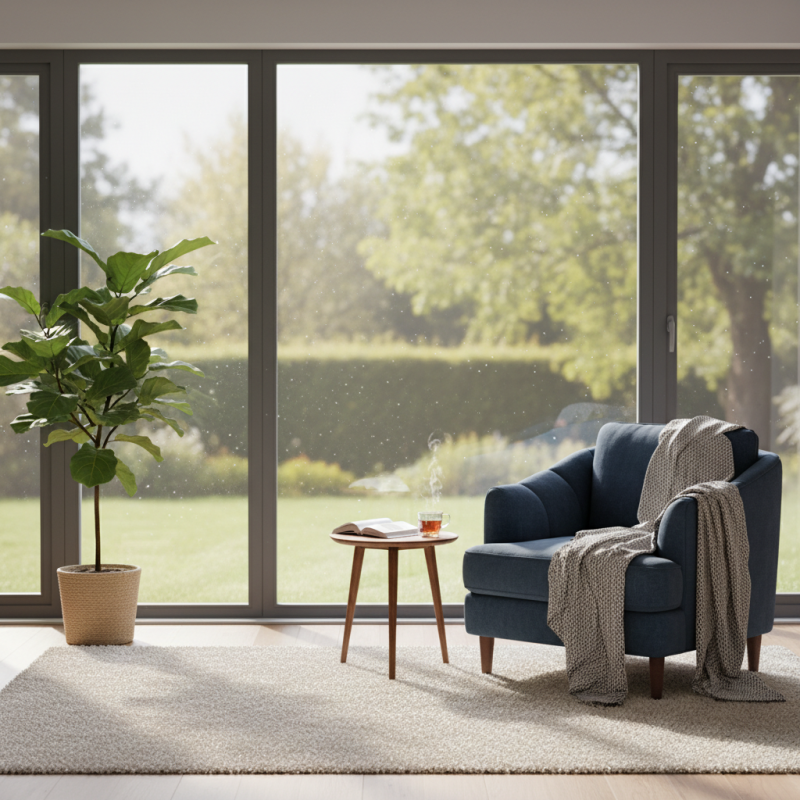
The features of quality glass can significantly affect your living space. They improve insulation, reduce noise, and increase natural light. Imagine a cozy room bathed in sunlight, yet shielded from outdoor distractions. However, not all glass is created equal. Homeowners often overlook this crucial aspect.
Reflecting on the choices made when selecting windows can be enlightening. It may seem easier to go with the cheapest option. Yet, this can lead to regrets later. Quality glass and windows may have a higher initial cost, but they offer long-term value. The right decision can make your home more inviting and comfortable.
Understanding the Importance of High-Quality Glass in Home Design
Quality glass is crucial in home design.
It enhances aesthetics while providing functional benefits. A study by the American Institute of Architects indicates that high-quality windows can reduce energy costs by up to 30%. This is a significant saving for homeowners. Proper insulation helps maintain comfortable indoor temperatures throughout the year.
Windows also impact natural light and ventilation. According to the National Fenestration Rating Council, well-designed glass can increase daylight by over 50%. This promotes a healthier living environment. However, many homeowners still settle for subpar options, prioritizing cost over quality. This can lead to higher long-term expenses due to inefficiencies.
Choosing the right glass isn't just about looks. It’s about the overall impact on daily life. Shoddy windows often break easily and require expensive replacements. Reflect on your choices when renovating or building. Quality glass can transform spaces, but the initial investment can be challenging for some. Ultimately, better choices lead to lasting benefits.
The Impact of Energy-Efficient Windows on Home Energy Consumption
Energy-efficient windows can significantly reduce home energy consumption. According to the U.S. Department of Energy, homeowners can save up to 15% on heating and cooling costs with proper window selection. This reduction is crucial as heating and cooling account for nearly half of the energy use in the average home. Quality glass enhances insulation and minimizes air leaks, leading to better temperature regulation indoors.
Switching to energy-efficient windows isn't just a cost-saver; it also improves comfort. These windows reduce drafts and cold spots, creating a more consistent indoor climate. Additionally, they often come with coatings that prevent UV rays from damaging furniture and flooring. However, the initial investment can be daunting. Some homeowners struggle to see the long-term benefits compared to immediate costs.
Tip: When choosing windows, look for those labeled with ENERGY STAR. They meet strict efficiency guidelines and can save you money in the long run. It’s essential to consider local climate factors. Not all windows perform the same in different environments.
In conclusion, investing in quality windows not only enhances aesthetics but also fosters sustainability. While the upfront expense may seem high, the long-term energy savings and comfort can be well worth it.
Discover the Benefits of Quality Glass and Windows for Your Home
This bar chart illustrates the potential energy savings associated with the installation of energy-efficient windows in a typical home. As shown, homes equipped with energy-efficient windows can significantly reduce their heating and cooling costs compared to those with standard windows.
Key Metrics of Window Quality: U-Value, SHGC, and Air Leakage
When considering new windows for your home, it's essential to focus on key metrics. U-Value measures how well a window insulates. Lower U-Values indicate better insulation, helping you save on energy bills. Aim for windows with a U-Value below 0.30 for optimal efficiency.
Solar Heat Gain Coefficient (SHGC) is equally important. This metric shows how much solar heat a window lets in. A lower SHGC value means more energy savings in hot climates. It helps keep your home cooler during summer months. Selecting windows with appropriate SHGC can be tricky, especially if your home lacks air conditioning.
Air leakage is another factor worth paying attention to. It refers to how much air escapes through the window frames. High air leakage can lead to drafts and increased heating costs. Think about your local climate when choosing windows. Reflecting on these metrics can lead to a smarter, more comfortable home. Your choices now will impact your home's energy efficiency for years to come.
Discover the Benefits of Quality Glass and Windows for Your Home
| Window Type |
U-Value (W/m²K) |
SHGC |
Air Leakage (cfm/ft²) |
Insulation Rating |
| Double Glazed |
1.6 |
0.40 |
0.25 |
Good |
| Triple Glazed |
0.9 |
0.30 |
0.15 |
Excellent |
| Single Glazed |
5.0 |
0.60 |
0.50 |
Poor |
| Low-E Glazed |
1.2 |
0.25 |
0.20 |
Very Good |
| Argon Filled |
1.0 |
0.35 |
0.18 |
Excellent |
How Proper Window Installation Enhances Durability and Efficiency
When it comes to home improvement, window installation plays a crucial role. Properly installed windows enhance durability and energy efficiency. They create a better seal against drafts and moisture. This is essential during harsh weather conditions. A tight fit prevents air leaks, saving on heating and cooling costs.
Quality windows also improve sound insulation. This is particularly beneficial for homes in noisy areas. While many homeowners overlook this, it can greatly affect comfort. Poorly installed windows may lead to gaps that allow sounds to permeate. Such issues demand reflection on installation techniques and materials used.
Additionally, aesthetics cannot be forgotten. Well-installed windows enhance your home’s exterior. They can boost curb appeal and overall value. However, it’s important to choose the right frames and styles. A mismatch can ruin the desired look. This highlights the importance of careful planning and consideration. Investing time in the installation process pays off in the long run.
Exploring the Aesthetic and Functional Benefits of Advanced Glass Types
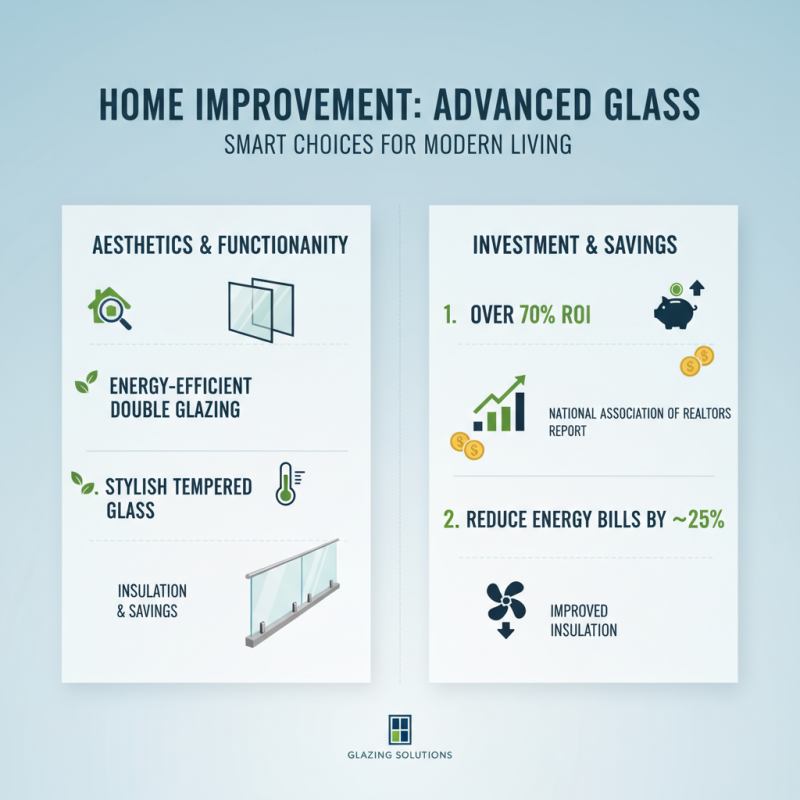
When considering home improvements, advanced glass types can significantly enhance both aesthetics and functionality. From energy-efficient double glazing to stylish tempered glass, every choice impacts your space. According to a report by the National Association of Realtors, homes with quality windows can see a return of over 70% on their investment come resale time. Quality glass not only improves visual appeal, but it also contributes to insulation, reducing energy bills by nearly 25%.
Choosing the right glass can also enhance safety. Laminated glass is harder to break, reducing the risk of injuries from accidents. Additionally, low-emissivity (Low-E) coatings can block UV rays while allowing natural light to shine through. This keeps interiors brighter and reduces fading of furniture and decor.
Tip: Always consider the local climate. In areas with extreme weather, investing in high-performance glass is worthwhile.
Many homeowners overlook the importance of selecting the right glass type. Minor details, such as window placement and frame selection, also play a role. Reflect on how daily light affects your living space. This simple act can reveal insights into potential improvements. Choosing the best glass means striking a balance between style and purpose. It’s worth the effort for lasting benefits.