2026 Best Windows for Your Home to Enhance Energy Efficiency and Comfort
Choosing the right windows for your home is essential for enhancing energy efficiency and comfort. According to expert Sarah Johnson, a renowned window specialist, “The right windows can transform your home's energy profile.” Her expertise highlights how modern windows can reduce energy costs and improve indoor climate.
Windows for your home not only serve as barriers against outdoor elements but also play a key role in overall aesthetics. Selecting energy-efficient models can lead to significant savings. However, many homeowners overlook this critical aspect during renovations. Investing in quality windows might seem daunting, but the long-term benefits are compelling.
Moreover, not all window styles are suitable for every climate or design. Each choice carries its unique attributes and challenges. Reflections on your home's specific needs should guide your decision. The process requires careful thought and consideration, as the wrong choice can lead to discomfort and higher energy bills.
Understanding Energy Efficiency in Windows
Understanding energy efficiency in windows is crucial for enhancing comfort and reducing energy costs.
Windows significantly impact a home's energy consumption. According to the U.S. Department of Energy, about 30% of heating and cooling energy use can be attributed to inefficient windows.
Selecting the right windows can greatly lower this percentage, leading to substantial savings.
Energy-efficient windows feature multiple panes, special coatings, and improved frames. For instance, Low-E coatings can reflect heat while allowing sunlight in.
A study by the Lawrence Berkeley National Laboratory found that proper window selection can save homeowners up to $465 per year on energy bills.
However, many overlook the importance of proper installation. Poorly sealed or improperly fitted windows can negate energy savings, making it essential to consider all factors.
The choice of materials also matters. Vinyl, fiberglass, and wood each have unique properties affecting performance.
Poor insulation or low-quality materials may lead to drafts and increased energy consumption.
It is essential to balance aesthetics and efficiency. Choosing the wrong window type can lead to discomfort.
Comfort is often compromised when windows fail to block drafts effectively.
Types of Windows for Optimal Insulation
Choosing the right windows can significantly improve your home’s energy efficiency. Understanding the types of windows available is key. Double-pane windows provide better insulation than single-pane versions. They trap air between glass layers, minimizing heat transfer. According to the Department of Energy, double-pane windows can reduce energy bills by up to 25%.
Another great option is triple-pane windows. They offer superior thermal performance, especially in extreme climates. These windows include an extra layer of glass and insulation. In colder regions, they can cut energy loss by a staggering 40%. However, they can be pricier and may not fit every budget.
Tip: Before buying, consider your local climate. It affects how much insulation you need. Moreover, even high-quality windows can underperform if not installed correctly. Seek professional help to avoid common pitfalls. Relying on DIY for a major installation might lead to air leaks and inefficiency. Remember, the right choice requires research and careful planning.
Key Features to Look for in Energy-Efficient Windows
Choosing the right windows can transform your home. Energy-efficient windows play a crucial role in enhancing comfort and reducing energy costs. When selecting windows, focus on features like insulation and solar heat gain. Double or triple glazing provides better thermal performance.
Look for low-emissivity (Low-E) glass. This coating can reflect heat while allowing light in. You might also consider window frames made from materials like vinyl, wood, or fiberglass. Each material has benefits in terms of durability and insulation. Keep in mind that local climate conditions will influence your choices.
Pay attention to the Energy Star rating of windows. Make sure you understand what this rating means for your energy savings. However, not all windows rated the same will perform equally in your home. Installation matters significantly, too. A poorly installed window can lead to air leaks, negating its efficiency. It’s worthwhile to reflect on your specific needs and preferences before making a final decision.
Comparative Analysis of Popular Window Materials
When choosing windows for energy efficiency, material matters. Common options include vinyl, wood, aluminum, and fiberglass. Each material has pros and cons that affect insulation and thermal comfort.
Vinyl windows are popular for affordability and low maintenance. They offer good insulation but can warp in extreme temperatures. Wood windows, while beautiful, require regular upkeep to prevent decay. Aluminum frames are strong but often conduct heat, which can reduce efficiency. Fiberglass windows are durable and energy efficient, yet tend to cost more initially.
It's crucial to consider climate and personal needs. Many choose windows based solely on cost, which can lead to regrets down the road. Reflecting on long-term impacts is essential. Energy-efficient windows contribute significantly to comfort and savings over time, but selecting the right material is key.
Installation Tips for Maximizing Window Efficiency
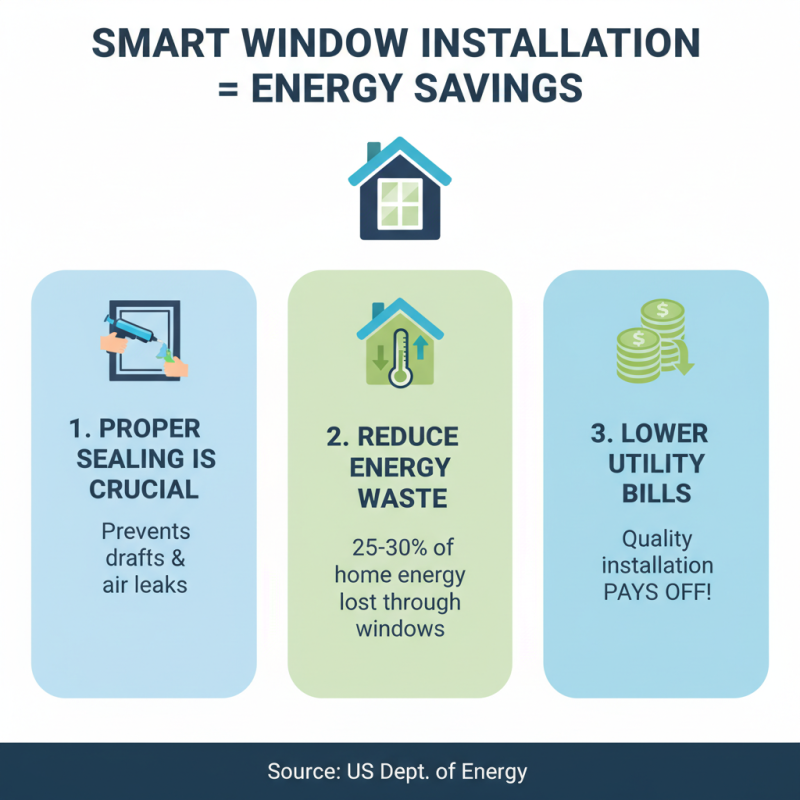
When installing new windows, the process can greatly affect energy efficiency. Proper sealing is crucial. A poorly sealed window can allow drafts, leading to increased energy costs. According to the Department of Energy, heat loss and gain through windows can account for 25% to 30% of residential heating and cooling energy use. This makes quality installation a priority.
Selecting the right window style is also important. Double-glazed windows offer better insulation than single-pane options. When you consider that heat gain in warmer months can raise cooling costs by 10% to 30%, investing in efficient designs makes sense. Certain window coatings can further enhance energy performance. For example, low-emissivity coatings can reduce heat transfer significantly.
It's also essential to think about placement. Windows on a shaded side of the house can reduce cooling costs. However, north-facing windows may limit natural light. You might need to strike a balance between light and temperature control. This decision can seem overwhelming without proper guidance. Rethinking your current windows may lead to improved comfort and efficiency in the long run.