2026 Best Types of Closet Doors for Every Home

Closet doors do more than hide shelves. They shape how a bedroom feels, how easily you reach a hanging rail, and whether a narrow walkway stays clear. In its 2024 What Home Buyers Really Want report, the National Association of Home Builders found that 81% of buyers considered a walk-in closet in the primary bedroom essential or desirable. That figure describes closet demand, not door-style popularity—a distinction worth keeping clear.

For 2026, the best closet doors depend on the room, the opening, and daily routines. Sliding panels can save floor space, while hinged doors offer a full view of the closet but need room to swing. Bifold and pocket doors solve different layout problems, and each has trade-offs in access, hardware, and installation. A door that looks clean in a photograph may feel awkward beside a bed or dresser.

This guide compares practical options for different homes and budgets. I have not included a named expert quotation because I could not verify a reliable, attributable quote specifically about closet doors; inventing one would weaken the advice. Instead, the recommendations focus on measurable fit, access, and maintenance. Small details matter. A few centimeters can change everything.
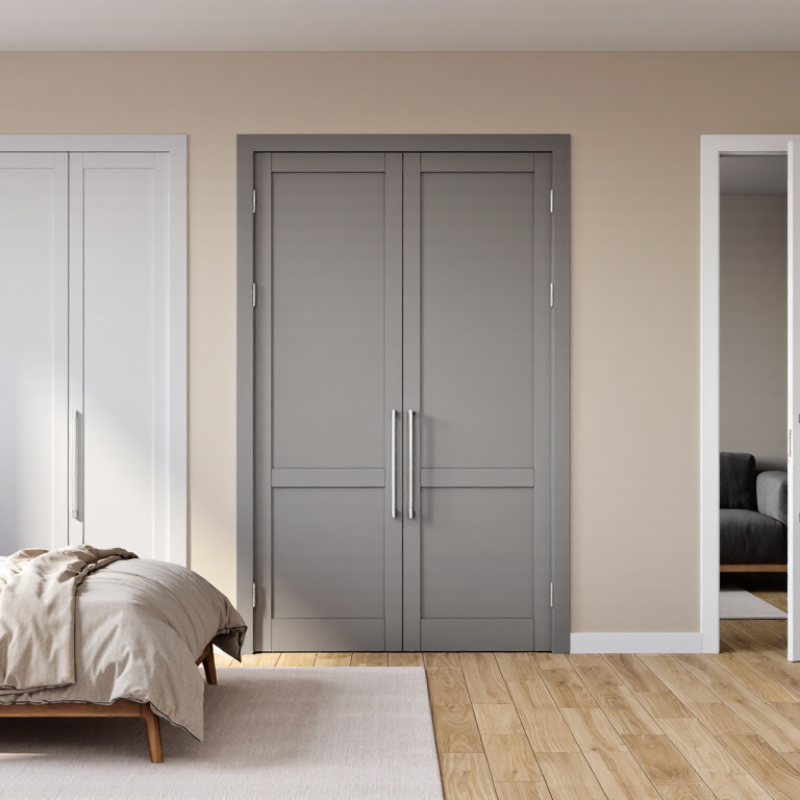
2026 Best Types of Closet Doors for Every Home

Types of Closet Doors: Definition and Key Differences

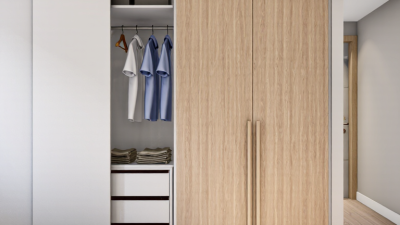
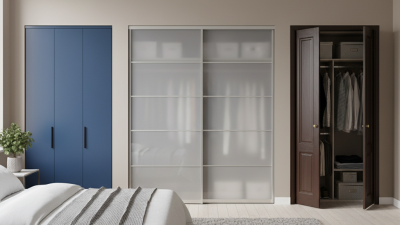
In 2026, closet doors are not merely decorative panels. They control access, circulation, light, and storage efficiency. Hinged doors open outward on side-mounted hinges. They provide the clearest full-closet view, but need generous floor clearance. Sliding bypass doors move along an upper or lower track. They save space, although one panel usually hides part of the closet. Bifold doors fold toward the sides, offering wider access in compact rooms.

Pocket doors slide into the wall cavity. They create an almost invisible opening, but installation requires suitable wall depth and careful framing. Barn-style doors slide across the wall surface. Their bold appearance suits larger rooms, yet they need clear wall space and may reduce privacy around the edges. Curtains are the lightest option. They are inexpensive and flexible, but they provide less sound control and structure.

The 2024 U.S. Houzz Kitchen Trends Study reports that 76% of renovating homeowners upgrade cabinets, showing how strongly storage usability influences remodeling decisions. That finding also supports choosing doors around daily movement, not appearance alone. I have seen homeowners select sliding doors for narrow bedrooms, then regret the limited center access. Measure handles, shelves, and nearby furniture before ordering. Track alignment matters. Small installation errors can create rattling, sticking, or uneven gaps. A door can look perfect in a showroom and fail beside a deep dresser.

What to Consider When Choosing a Closet Door

Choosing a closet door starts with the room, not the style photograph. Measure the opening, wall space, ceiling height, and nearby furniture. I once chose a swinging door for a narrow bedroom. It struck the bedside table whenever the door opened. That mistake changed how I plan layouts.

Sliding doors save floor space, but their panels may hide part of the closet. They also need a straight, sturdy track and regular cleaning. Hinged doors provide wider access, which helps when shelves sit deep inside. Folding doors can work in tight areas, though their hinges and guides need careful alignment. Test the movement before installation.

Material affects comfort and maintenance. Solid panels improve privacy and reduce visible clutter. Glass can make a small room feel brighter, but fingerprints appear quickly. In humid rooms, choose surfaces that resist swelling and warping. Check the door’s weight against the frame and hardware. A heavy panel may look impressive, yet it can become difficult for children or older adults to operate. Think about airflow, too. A sealed closet can develop stale odors, especially around stored shoes. I prefer practical decisions over dramatic ones, but I still sometimes underestimate daily convenience. Stand inside the room and open the door several times. That simple test often reveals more than a catalog picture.

Common Closet Door Styles and How They Work

2026 Best Types of Closet Doors for Every Home

Common Closet Door Styles and How They Work

Closet doors should match the room’s traffic pattern, not only its decoration. Hinged swing doors open fully and provide the clearest access to shelves. They need roughly 30 inches of floor clearance. This style works well in spacious bedrooms, but it can obstruct a nearby dresser or hallway.

Sliding bypass doors move along an upper track and save valuable floor space. However, one panel usually overlaps another, leaving only half the closet visible. Pocket doors disappear inside the wall and create a cleaner opening, but installation requires careful framing and sufficient cavity depth. Bi-fold doors fold at the center, offering wider access than bypass doors. Their hinges and tracks need regular alignment. Small problems become noisy quickly.

The 2024 Houzz & Home Study surveyed more than 5,000 homeowners and tracked continuing investment in home improvement. That spending trend supports choosing durable hardware, especially in frequently used storage areas. The 2024 NKBA Design Trends Report also highlights practical storage, accessible layouts, and visually clean interiors. In a narrow room, a sliding door may be the sensible choice. In a child’s room, soft-close hardware can reduce finger-pinching risks, though it is not maintenance-free. Measure the opening twice. A beautiful door still fails when the track sags, the trim crowds the panel, or the handle sits too high. My own preference is not universal; easy access often matters more than a seamless appearance.

How to Choose a Closet Door for Each Room

Choosing a closet door should begin with the room, not the trend. The 2024 Harvard Joint Center for Housing Studies projected nearly $485 billion in U.S. remodeling spending. That investment makes small planning errors expensive. A bedroom usually benefits from sliding or hinged doors. Sliding panels save floor space, but they hide part of the closet. Hinged doors provide full access. They need a clear swing area.

For children’s rooms, bifold doors offer broad access with less projection. Add soft-close hardware and rounded pulls. In narrow hallways, pocket doors can work well, although wall depth may limit installation. A laundry room needs ventilation and dependable clearance. Louvered doors can support airflow, but they collect dust. The 2024 NKBA Design Trends Report continues to emphasize accessibility and practical storage. That supports wider openings and easy-to-grip handles. A beautiful door is not always the easiest door.

Tips: Measure the opening, wall space, and furniture clearance. Leave room for baseboards and uneven floors. Test the handle height before ordering. For older adults, avoid heavy panels and tiny knobs. A 2024 Houzz study also shows that homeowners continue investing in functional home improvements, but the exact best choice remains personal. My own planning rule is imperfect: choose access first, appearance second, and revise the plan when daily use exposes a problem.

2026 Best Types of Closet Doors for Every Home - How to Choose a Closet Door for Each Room

Closet Door Type How It Opens and Space Needed Rooms It Suits Main Advantages Planning Considerations
Hinged (Swing) Door Swings outward or inward on side hinges; needs clear floor space for its swing. Bedrooms, guest rooms, and walk-in closets where there is room in front of the opening. Opens the full closet width, is simple to operate, and can provide a close-fitting closure. Check that the door will not hit furniture, fixtures, or another door. A pair of hinged doors may suit a wide opening.
Bifold Door Two or more hinged panels fold to one side; requires some clearance in front and beside the opening. Reach-in bedroom closets, linen closets, and laundry closets with limited swing space. Folds back to reveal more of the opening than a typical bypass door, while using less swing space than a full hinged door. Measure the folded-panel projection and keep the track and hinges aligned for smooth movement.
Bypass Sliding Door Panels slide past one another on parallel tracks; no floor space is needed for a door swing. Reach-in closets in bedrooms, hallways, and compact rooms. Works well where furniture or a narrow passage makes swinging doors inconvenient. Only part of the closet opening is accessible at a time. Allow for panel overlap and ensure the track is suitable for the door weight.
Mirrored Sliding Door A sliding-door variation with mirror panels; operates like a bypass door. Bedrooms, dressing areas, and small rooms where a full-length mirror is useful. Combines closet access with a large reflective surface that can make a room feel brighter. Mirrors add weight and need careful handling. Use appropriate safety backing and hardware, and clean the panels regularly.
Pocket Door Slides into a cavity inside the wall; requires no swing space when open. Small bedrooms, bathrooms with closets, and tight hallways where wall construction allows. Leaves the floor area clear and can provide a wide, unobstructed opening. Installation generally requires a suitable wall cavity free of obstructions such as plumbing, wiring, or structural elements. Access to the door hardware may be more involved.
Sliding Barn-Style Door Slides along a track mounted above the opening, staying on the outside face of the wall. Bedrooms, dressing areas, and rooms where a visible door feature is desired and adjacent wall space is available. Does not need a swing arc or a pocket inside the wall, and can cover a wide opening. The wall beside the opening must have room for the door to slide. The door typically does not seal as tightly as a hinged door, so privacy and light control may be limited.
Accordion Door Flexible or narrow panels fold together along a track; needs little swing space. Utility closets, laundry areas, and openings where a lightweight, compact door is preferred. Can fit openings where a full swing door is impractical and is often lightweight. Privacy, sound reduction, and durability vary by material and construction. Confirm that the track and panel width suit the opening.
French-Style Hinged Doors A pair of hinged panels opens outward or inward; requires clear swing space on both sides of the opening. Walk-in closets, larger bedroom closets, and dressing rooms with a wide entrance. Provides a broad, symmetrical opening and allows both sides of the closet to be accessed together. Check the combined swing area and the space needed for handles. Glazed panels may offer less visual privacy unless fitted with opaque or textured glazing.

Installation, Maintenance, and Space-Saving Tips

Choosing closet doors in 2026 means matching the door style to your room’s movement, storage needs, and daily habits. Installation begins with accurate measurements. Measure the opening at three points, then record the smallest width and height. Check the floor and ceiling for level surfaces. Small errors matter. I have seen a door bind because one corner differed by only a few millimeters. Use suitable anchors for the wall material, and keep the frame square while tightening screws.

Sliding doors save floor space, but their tracks collect dust and loose fibers. Vacuum the channel monthly, then wipe it with a dry, soft cloth. Avoid heavy oil, which can attract grit. Hinged doors need tight screws and properly aligned hinges. Folding doors require clean pivots and even panel spacing. Never force a sticking door. Find the cause first. Humidity may swell wood-based panels, while poor ventilation can affect finishes. A small gap around the door helps prevent rubbing.

For narrow bedrooms, sliding or folding doors usually preserve the clearest walking path. Pocket doors create an open feeling, but installation may require changes inside the wall. Confirm that plumbing, wiring, and structural supports are not in the cutting area. Mirrored panels can brighten a dark room, though they need safer handling and regular cleaning. I once preferred a wider door for convenience, then realized it blocked a bedside table. Rechecking the room’s furniture layout would have prevented that mistake. Leave enough clearance for drawers, baskets, and future storage changes.

About Us

Andy’s Glass & Window Company of Temecula Valley has been servicing the glass, window and door needs of Southern California since the 1970′s. Operating from a 10,700sf commercial building in Murrieta, California, a neighboring town of Temecula.

Contractor’s License #821172

Andy’s Glass & Window Company

25751 Jefferson Ave, Murrieta, CA 92562

(951) 677-7421

sale@johnsonwindowtint.com

Store Hours:
Monday - Thursday 8:00 am - 5:00 pm
Friday 8:00 am - 4:30 pm
Closed Saturday & Sunday

Visit Us

Contact Information
Andy's Glass & Window Company